
The International Energy Agency (IEA) says electrification could strengthen energy security, reduce emissions and drive economic growth, but reaching 35% of global final energy consumption by 2035 will require major investment in grids, clean power, storage and access.
Electricity is becoming the backbone of the modern economy, powering everything from air conditioning and advanced manufacturing to digital communications and artificial intelligence.
A new International Energy Agency (IEA) Special Report on Electrification says the world is already entering what it calls the “Age of Electricity”, as electricity demand grows faster than both global economic output and overall energy demand.
Electricity now powers activities responsible for nearly half of global GDP, while electrification-related sectors have accounted for one-fifth of the increase in manufacturing revenues since 2020. Electric vehicles, data centres, cooling and other electricity-dependent technologies are also expanding rapidly.
Yet this emerging electricity age remains deeply unequal, with up to 730 million people still lacking access to electricity, while annual per-capita electricity consumption averages about 200 kilowatt-hours in sub-Saharan Africa, compared with around 7,000 kWh in advanced economies and China.
For IEA Executive Director Dr Fatih Birol, the changing role of electricity is both an economic opportunity and a response to growing energy insecurity.
“Electricity is becoming ever more central to modern economies and vital to our daily lives,” Birol writes in the report’s foreword.
The report comes as countries face renewed disruption to energy supplies and record temperatures in many parts of the world. The IEA argues that electrification can help address both challenges by reducing dependence on imported fuels while supporting efforts to cut emissions.
The 35-by-35 opportunity
The report was developed at the request of Türkiye and Australia through their strategic partnership with the IEA ahead of COP31, and at its centre is a proposed target to raise electricity’s share of global final energy consumption from about 23% today to 35% by 2035.
The IEA’s analysis finds that around 33% electrification is already cost-effective using technologies available today, based on 2025 technology costs, energy prices and financing conditions. Affirming that the embrace of continued technological improvements could expand this potential.
Transport offers the largest immediate opportunity since around half of oil-based road transport demand could be electrified competitively today, while further battery cost reductions could make more than four-fifths electrifiable.
Buildings and industry also have shown to have significant potential, with the IEA estimating that half of global space-heating demand could be electrified competitively, while around 40% of energy consumption in low- and medium-temperature industrial applications could be electrified cost-effectively.
The opportunities vary across regions, as in emerging and developing economies, the agency identifies light industry, urban transport, cooking, water heating and new infrastructure as important areas for electrification. Whereas in dense cities, the air pollution and dependence on imported fuels can strengthen the case for electric technologies.
However, it’s notable that where electricity access remains limited, the priority is different, emboldening the IEA to say expanding access and supporting productive uses of electricity in agriculture and manufacturing are essential to raising electrification rates.
For COP31 President-Designate Murat Kurum, a global target can help turn this opportunity into coordinated action. “The world is entering the Age of Electricity. At COP31, we will flick the switch,” Kurum says.
He argues that electrification needs to become part of national climate and investment planning rather than remaining confined to individual sectors. “Cost-effectiveness alone will not close the gap,” Kurum writes, pointing to the need for infrastructure, enabling policies, incentives and investment.
The economic implications could be significant, considering that under the IEA’s High Electrification Scenario, fuel-importing countries could reduce their energy import bills by around USD 400 billion annually by 2035 compared with 2025. Notably, at the higher energy prices prevailing in 2026, the savings have a potemtial of exceed USD 500 billion a year.
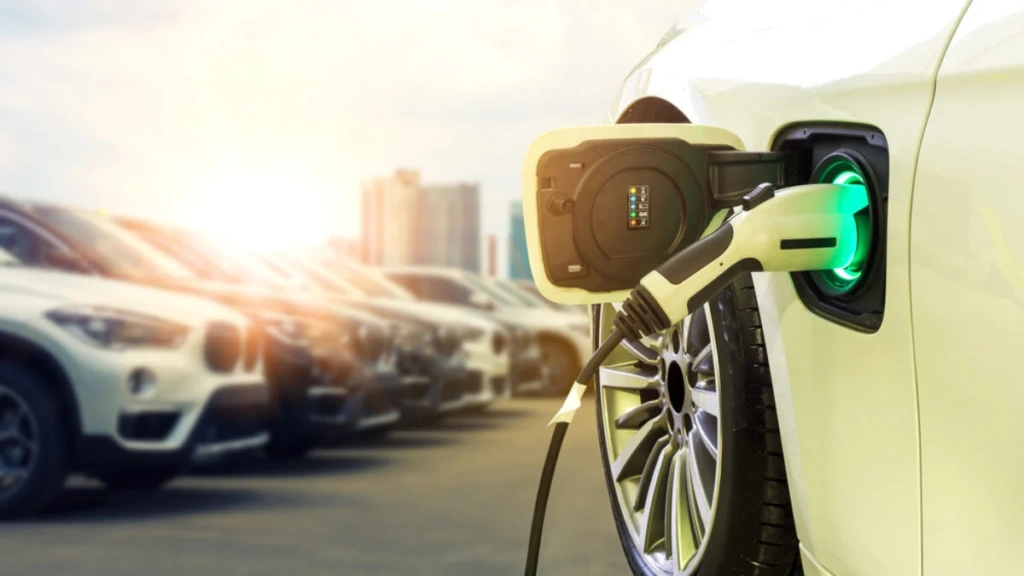
Electric vehicles are already contributing to this shift, with electric cars, motorcycles, trucks and buses currently avoiding around 2.3 million barrels of oil demand each day. Under the High Electrification Scenario, avoided oil demand could reach 18 million barrels per day by 2035.
The electricity must also become cleaner
The IEA cautions that electrification alone will not deliver climate goals; environmental benefits increase significantly when electricity comes increasingly from low-emissions sources.
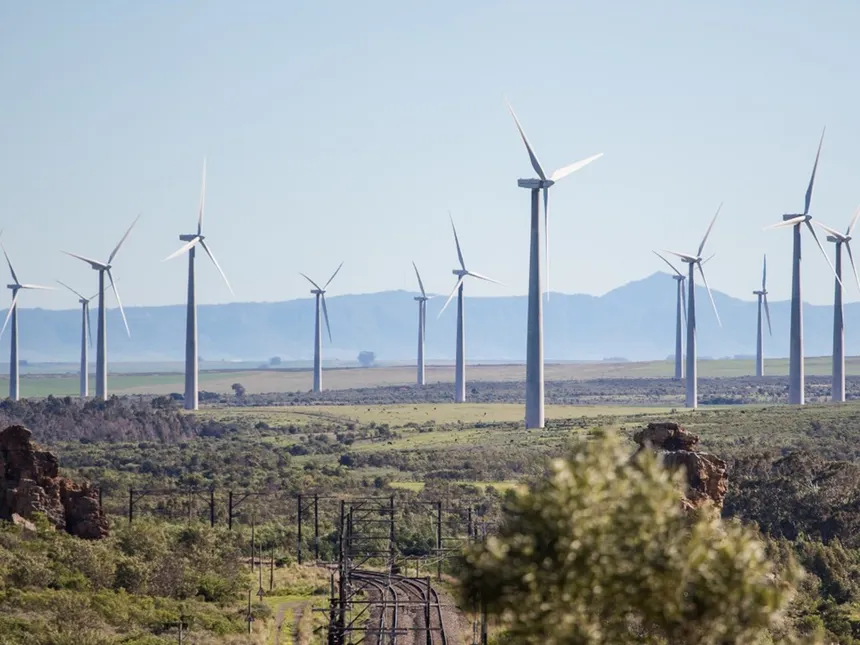
The share of global electricity generation from low-emissions sources increased from 33% in 2015 to 42% in 2025. Solar PV deployment increased more than tenfold during that period, while wind deployment more than doubled. Yet electricity generation still produces around 14 billion tonnes of CO₂ each year.
Meeting rising demand will therefore require simultaneous investment in clean generation and electricity infrastructure.
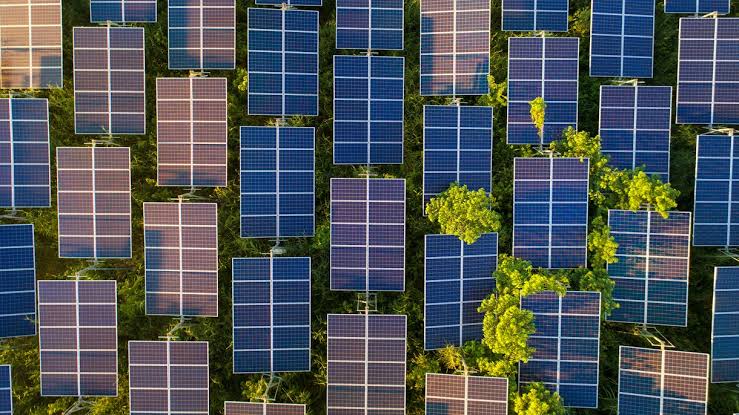
The IEA estimates that reaching a 35% share of electricity in final energy consumption would push annual electricity demand growth to about 1,400 terawatt-hours through 2035, nearly twice the pace of the previous decade. A net-zero pathway would require annual solar additions to rise above 1,200 GW by 2035 and wind additions to around 400 GW.
Grids will be equally important. Under the High Electrification Scenario, they would need to be modernised and expanded 40% faster through 2035 than during the previous decade. Battery storage would also need to expand substantially, reaching around 2,900 GW by 2035 on a net-zero pathway.
Australia’s COP31 President of Negotiations, Chris Bowen, says the transition will ultimately depend on how quickly countries can deploy these systems. “Electrified economies, powered with clean energy, and backed by modern grids and storage, are an enduring answer,” Bowen says.
Australia’s experience includes high uptake of rooftop solar and home batteries, while electric vehicle sales reportedly overtook conventional petrol cars for the first time in August. But Bowen says the wider challenge is no longer simply proving that electrification is possible.
“The challenge is deployment, at speed and scale.”
The IEA also warns of new vulnerabilities. Electrification will increase demand for critical minerals, batteries and other technologies whose supply chains are often geographically concentrated. Digitalisation creates additional cybersecurity risks, while inadequate infrastructure, high upfront costs and limited access to finance remain barriers in many markets.
There is, however, an economic opportunity in addressing these challenges. The report says investment in end-use electrification would need to reach around USD 1 trillion by 2035 under its High Electrification Scenario, while accelerated electrification could potentially double employment in related occupations.
The IEA ultimately calls for cross-sectoral electrification strategies, universal electricity access, consumer support, diversified supply chains, stronger grids, investment in skills and greater international cooperation.
The message emerging ahead of COP31 is therefore broader than replacing fossil-fuel technologies with electric alternatives. The emerging Age of Electricity will depend on whether countries can build the generation, grids, storage, skills, finance and policies needed to make electrification reliable, affordable and accessible.
As Birol puts it, “The Age of Electricity is already taking shape.” The question now is how quickly, and how equitably, the world can build the systems needed to support it.
Author Profile

-
Seeker.
Inspire AFRIKA.
Latest entries
 Biodiversity22 October 2026One in Five Tropical Biodiversity Sites Overlapped by Mining Concessions, COP17 Report Finds
 Biodiversity21 October 2026COP17 Opens in Armenia with Global Biodiversity Progress Under Scrutiny
 Biodiversity19 October 2026Yerevan Declaration Sets Tone for COP17 as World Leaders Demand Real Action on Biodiversity
 Changemakers19 October 2026How Earth Wise Storage Plans to Expand Smallholder Poultry Farming in Rwanda


