Ahead of the 2026 UN Water Conference, which will take place from 2-4 December 2026, in the United Arab Emirates, the United Nations has published the flagship report, Global Water Bankruptcy: Living Beyond Our Hydrological Means in the Post-Crisis Era.
The report argues that the world has entered a new stage where more and more river basins and aquifers are losing the ability to return to their historical “normal.”
According to Professor Kaveh Madani, Director, University Institute for Water, Environment and Health (UNU-INWEH), Droughts, shortages, and pollution episodes that once looked like temporary shocks are becoming chronic in many places.
“The condition is not a distant threat but a present reality. Many human water systems are now in a post-crisis failure state where past baselines can no longer be restored,” he highlights.
The report defines Global Water Bankruptcy as a persistent post-crisis state of failure. In this state, long-term water use and pollution have exceeded renewable inflows and safe depletion limits.
Key parts of the water system can no longer realistically be brought back to previous levels of supply and ecosystem function.
Moreover, many rivers, lakes, aquifers, wetlands, and glaciers have been pushed beyond tipping points and cannot bounce back to past baselines. The language of temporary crisis is no longer accurate in many regions.
Impact on the World
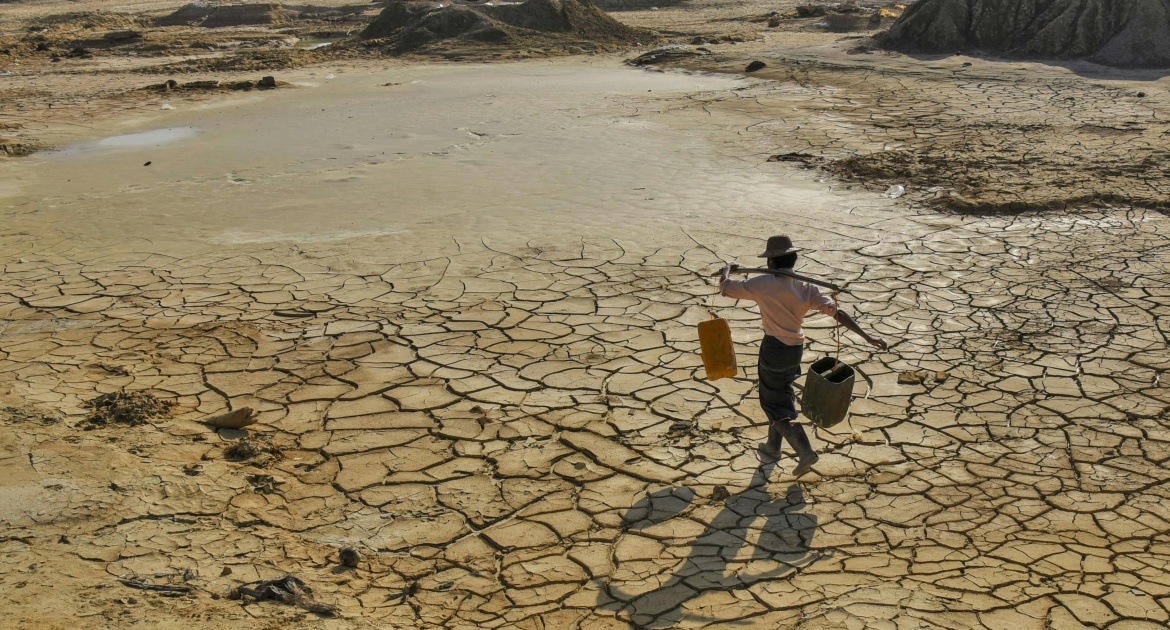
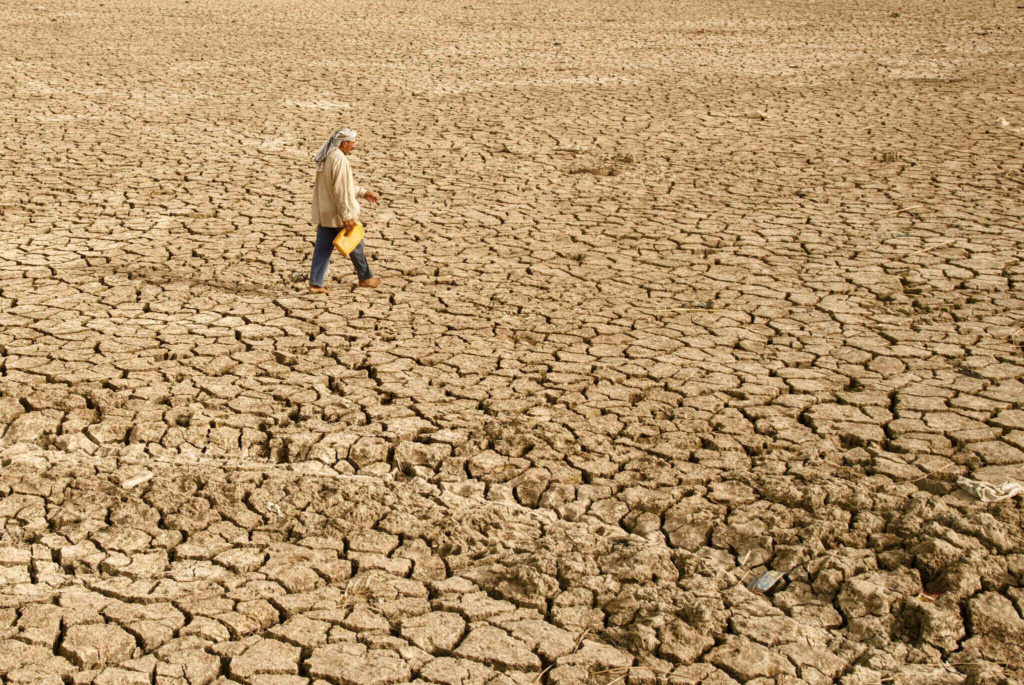
“Billions of people are living with chronic water insecurity. Around 2.2 billion people still lack safely managed drinking water, 3.5 billion lack safely managed sanitation, and nearly 4 billion face severe water scarcity for at least one month each year,” says Professor Kaveh.
He further explains the irreversible shift, saying, “This report tells an uncomfortable truth: many regions are living beyond their hydrological means, and many critical water systems are already bankrupt. It’s extremely urgent because no one knows exactly when the whole system will collapse.”
The loss of ecosystem services from these wetlands is valued at over US$5.1 trillion, similar to the combined GDP of around 135 of the world’s poorest countries.
How About Africa and the Water Crisis?
According to H.E. Mahmoud Ali Youssouf, Chairperson of the African Union Commission, Across Africa, water scarcity and inadequate sanitation continue to undermine economic growth and human dignity.
“Millions of Africans, disproportionately women and girls in rural communities, still walk long distances each day to collect water instead of attending school, pursuing livelihoods, or participating fully in the life of their communities. This is not merely an inconvenience. It is an injustice,” he emphasizes.

By 2050, Africa’s population is projected to double, placing increasing pressure on water resources and infrastructure. Moreover, Waterborne diseases remain among the leading causes of death in many parts of the continent.
Nearly 60 percent of Africa’s freshwater resources are shared across national borders, and according to Tshilidzi Marwala, UN Under-Secretary-General and Rector of the United Nations University, Water bankruptcy is becoming a driver of fragility, displacement, and conflict.
According to the report, multi-year droughts (2016 and 2020–2023) caused “hydrological insolvency” for pastoralist systems.
Over 250,000 people were displaced in 2016 alone when livestock died en masse after three failed rains, and the Somali region saw near-total herd loss, eliminating milk, income, and food security.
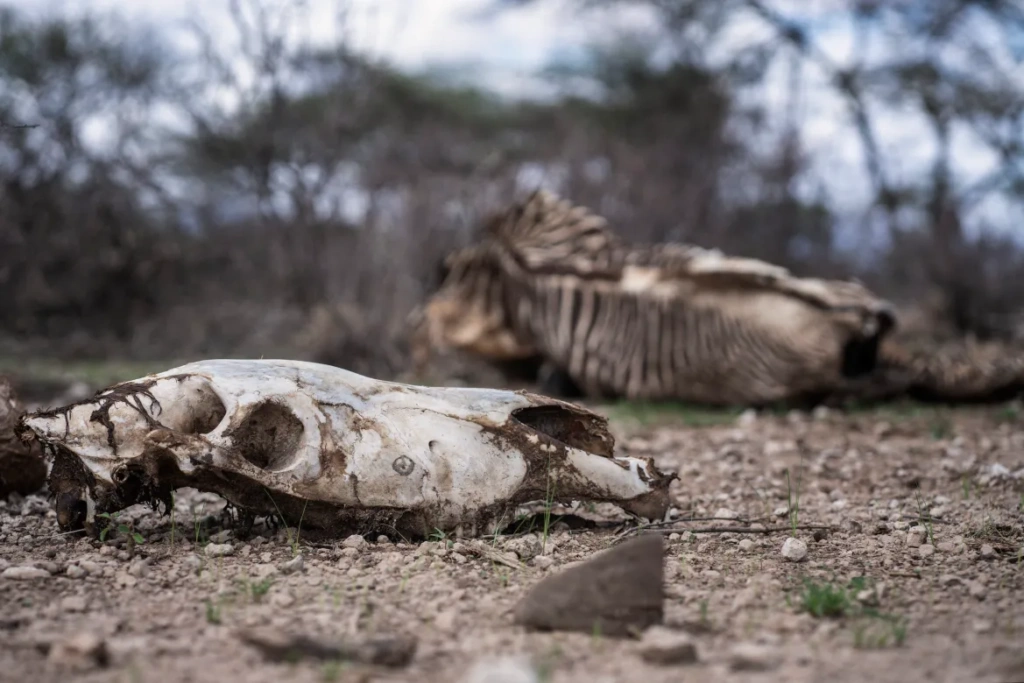
The report describes this as a “permanent shift in regional stability” and notes drought as a growing driver of internal displacement in sub-Saharan Africa.
As the world prepares for the UN Water Conference, it is apparent that a new global water agenda is urgently needed. Existing agendas and conventional water policies, focused mainly on Water, Sanitation, and Hygiene (WASH), incremental efficiency gains, and generic Integrated Water Resources Management (IWRM) guidelines are not sufficient for the world’s current water reality
The conference, aimed at accelerating the implementation of Sustainable Development Goal 6 (SDG 6), enhancing global water governance, and further elevating water-related issues on the international agenda, will be pivotal for the security of the global water supply.
Read Also: UNCCD COP17 Sets Global Stage for Land Restoration and Drought Action
Author Profile

- How can we learn if we don't question?
Latest entries
 Oceans22 October 2026Seamounts Under Threat: Can Governments Turn Ocean Promises into Protection?
 Events21 October 2026New Guide Links Animal Welfare to Biodiversity and Human Health
 COP1717 October 2026The World Has a Plan to Save Nature. Can It Deliver by 2030?
 Agriculture16 October 2026“There Is No Shortcut”: A Kiambu Grower’s Decade in Mushrooms