
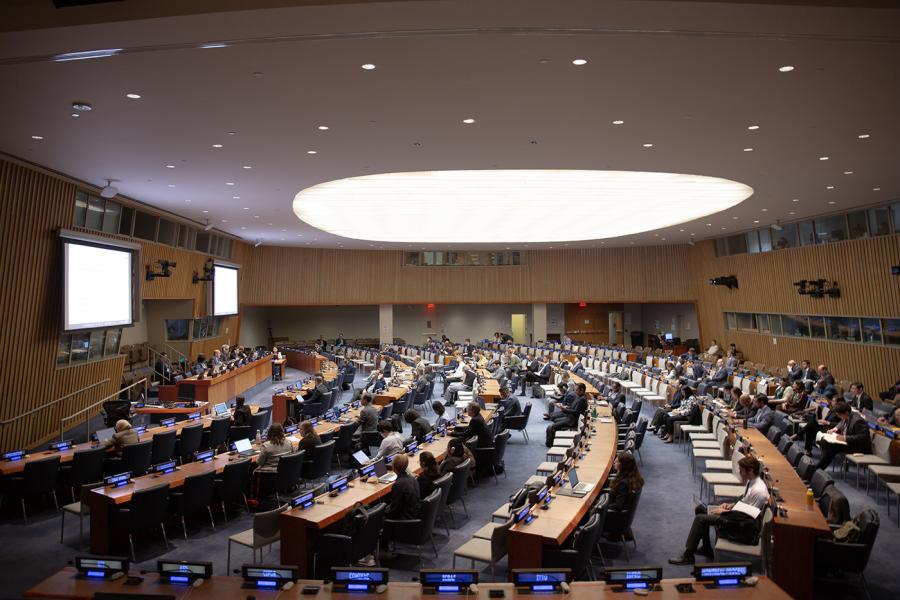
The 21st session of the United Nations Forum on Forests (UNFF21) took place from 11–15 May 2026 at UN Headquarters in New York, serving as the policy-focused segment of the Forum’s two-year cycle, following the technical UNFF20 session in 2025.
The meeting opened with reflections on the Global Forest Goals Report 2026 and discussions on the thematic priorities for 2025–2026 under the UN Strategic Plan for Forests 2017–2030 (UNSPF).
UNFF21 comes at a time when forests remain central to climate stability, biodiversity protection, and livelihoods. Yet they continue to face mounting pressure from deforestation, rising temperatures, and widening geopolitical and economic uncertainty.
The UN Forum on Forests (UNFF) is a functional commission of the UN Economic and Social Council (ECOSOC) with universal membership. Established in 2000, it advances the management, conservation, and sustainable development of all types of forests.
Key milestones include the UN Forest Instrument (2007), the Global Forest Financing Facilitation Network (2015), and the UN Strategic Plan for Forests 2017–2030, which defines six Global Forest Goals (GFGs).
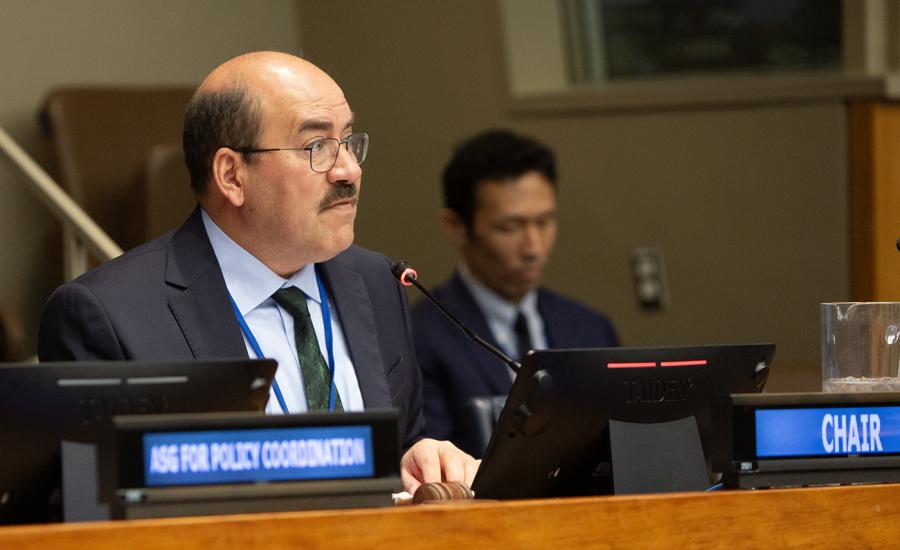
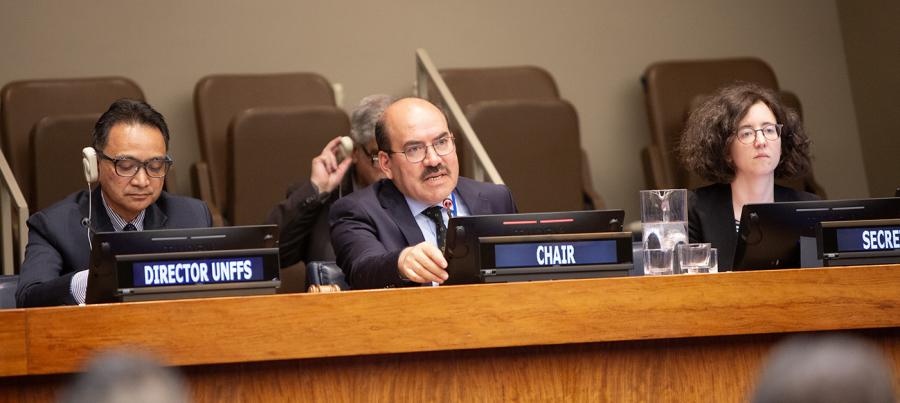
Opening the session, UNFF21 Chair Ismail Belen (Türkiye) emphasized that the Forum’s role as the only global platform uniting all countries and stakeholders on forest policy, calling for stronger collective responsibility in supporting the UNFF Secretariat.
Emphasizing this was Annalena Baerbock (President of the 80th UN General Assembly) with remarks that sometimes the most basic things are the hardest. Reiterating that while in primary school, we all learnt that without trees and forests, we would literally not be able to breathe.
“We know that we rely on forests for our food, for protection and resilience, for biodiversity, for our climate, up to 44 trillion USD, more than half of global GDP, is dependent on nature,” said Annalena.
However, the Global Forest Goals Report 2026 paints a mixed picture. While investments in forest restoration, reforestation, and sustainable forest management (SFM) are increasing, global forest carbon stocks have risen only marginally.
At the same time, forest area has declined by about 40 million hectares over the past decade, driven by drought, wildfires, and pest outbreaks.
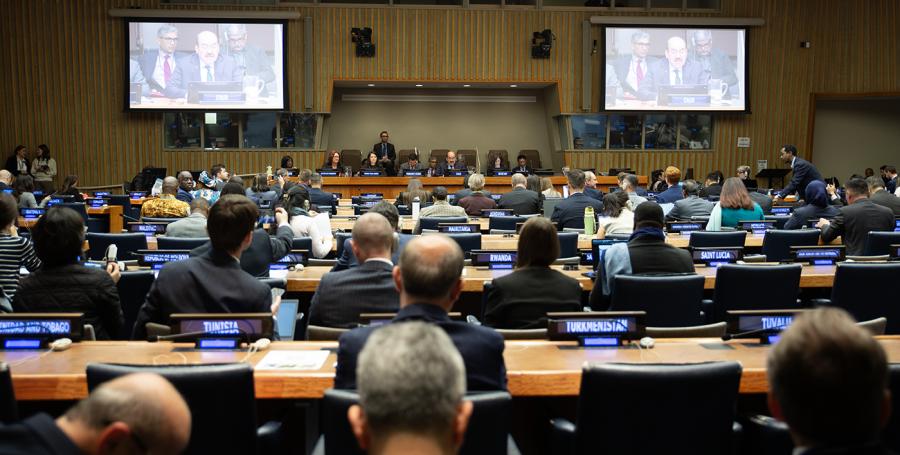
Financing Gaps and Implementation Challenges
The report, prepared by the UN Department of Economic and Social Affairs (DESA) through the UNFF Secretariat, draws on voluntary national reports from 48 countries, covering about 51 per cent of global forest area.
It finds that global financing for sustainable forest management reached USD 84 billion in 2023, while annual needs are roughly USD 300 billion.
Despite growing policy commitments, progress remains constrained by fragmented governance systems, weak enforcement, and ongoing illegal logging.
UNFF Secretariat Director Juliette Biao highlighted progress since UNFF20, including the UN General Assembly’s decision to launch the UN Decade for Afforestation and Reforestation (2027–2036), alongside strengthened collaboration through the Collaborative Partnership on Forests (CPF) and improved global outreach platforms.
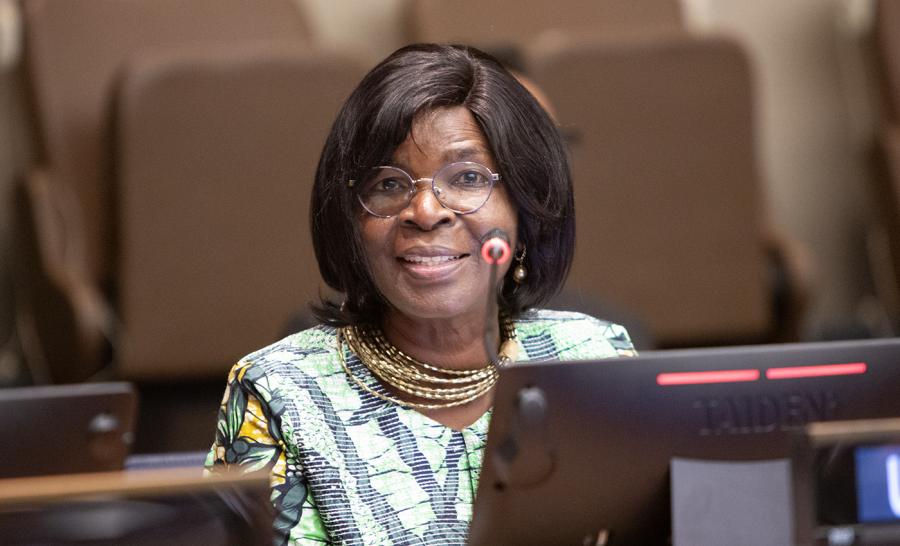
Implementation at the Centre of Debate
UN Secretary-General António Guterres reaffirmed that the UN Strategic Plan for Forests 2017–2030 remains a key framework for ending deforestation, restoring degraded ecosystems, and sustaining forest benefits for economies and communities.
“Building on the first Global Forest Goals Report published in 2021, this new report takes stock of progress made and highlights the efforts needed to achieve the Global Forest Goals by 2030,” he said.
Delegates repeatedly returned to one central concern throughout the opening sessions: while progress exists, implementation remains the weakest link.
Li Junhua, UN Under-Secretary-General for Economic and Social Affairs, noted that since the first report in 2021, the world has faced compounding crises, from climate shocks and biodiversity loss to rising inequality and fiscal constraints.
Yet, he added, international momentum to protect and restore forests has also strengthened through new global commitments and increased engagement from member states.
UNFF21 ultimately highlighted a widening gap between ambition and delivery. While forest governance frameworks are expanding and restoration efforts are scaling up, funding shortfalls, weak enforcement, and continued forest loss remain persistent structural challenges.
As the forum closed its opening deliberations, one message was clear: the world has plans for forests, but implementation will determine whether they survive.
Author Profile

-
Seeker.
Inspire AFRIKA.
Latest entries
 Corporate15 October 2026Water, Sanitation and Digital Learning at the Centre of Garissa School Upgrade
 Agriculture14 October 2026Africa’s Food Systems Future Depends on Listening to Farmers
 Weather Forecasts13 October 2026Rain and Rising Temperatures Forecast Across the Greater Horn of Africa
 Climate9 October 2026Beyond Negotiations: Africa Expects Concrete Outcomes from Antalya


