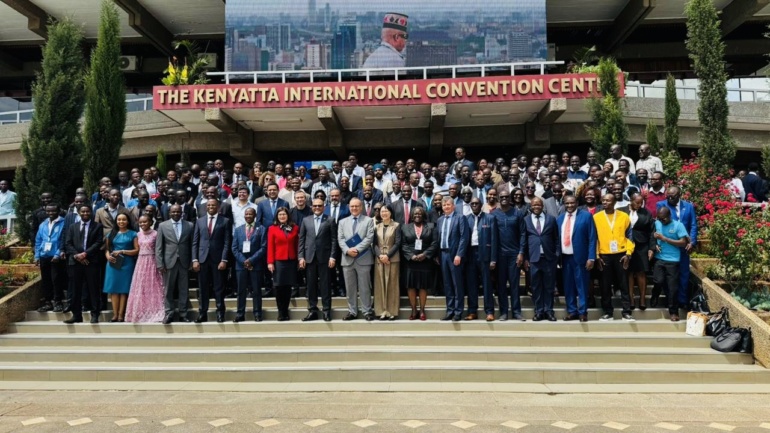
In recent years, multilateralism has played a central role in coordinating collective action among countries to address some of the world’s most pressing challenges, including climate change, plastic pollution, biodiversity loss, and humanitarian crises. These forums remain critical platforms for cooperation in an increasingly interconnected and crisis-prone world.
However, the United States’ recent decision to scale back funding to several United Nations agencies has triggered widespread concern among UN officials, international experts, and civil society groups. Reactions have largely centered on regret, warnings of global instability, and renewed calls for strengthened multilateral cooperation.
On January 8, the United States announced a reduction in funding to UN agencies. This move signals a broader withdrawal from key multilateral frameworks, including the United Nations Framework Convention on Climate Change (UNFCCC).
The decision comes months after the US exited the Paris Agreement in 2025, raising fears about the long-term implications for global climate governance.
Notably, the United States has historically been one of the largest contributors to the UN system, providing an average of between $450 million and $750 million annually in voluntary funding to 31 UN agencies.
The withdrawal of this support is expected to have far-reaching consequences that particularly affect diverse sectors from health to the environment.
For developing countries, especially those in Africa and the wider Global South, the likelihood of facing significant funding gaps will affect humanitarian aid, public health services, and climate action programs. The funding shortfall could intensify calls for alternative donors, regional self-reliance, and new financing mechanisms.
As such, several UN agencies are already bracing for this impact, reflecting on how earlier reductions in donations and funding a year ago affected much. The United Nations Population Fund (UNFPA), for instance, is expected to face further grant reductions, potentially limiting the operation of maternal and reproductive health clinics across the Sahel and sub-Saharan Africa.
UN Women and the United Nations Conference on Trade and Development (UNCTAD) are also among the institutions likely to experience severe funding constraints.
Climate Action in Multilateralism Under Threat
Global efforts to combat climate change under multilateralism bodies like the UNFCCC could be particularly affected. This poses a risk, as evidenced by observers warning that reduced US engagement risks undermining momentum built over decades of international negotiations and cooperation.
In addition to the reality that it could create space for other global powers, including China, to expand their influence within multilateral institutions.
UN Secretary-General António Guterres expressed regret over the decision, emphasizing that assessed contributions to the UN’s regular and peacekeeping budgets are a legal obligation under the UN Charter. Through his spokesperson, Guterres affirmed that all UN entities would continue implementing their mandates, stressing the organization’s responsibility to deliver for vulnerable populations worldwide.
“The United Nations will go on with the implementation of its mandates as given by Member States,” he said, adding that the institution remains committed to serving those who depend on it.

UNFCCC Executive Secretary Simon Stiell described the US withdrawal as a “step back from global climate cooperation” and a “colossal own goal,” warning that it could ultimately harm the US economy, jobs, and living standards amid escalating climate disasters.
Stiell noted that while the move may be largely symbolic for many UN bodies, since the US is not fully exiting the UN system, the implications for climate governance are substantial. “The doors remain open for the US to re-enter in the future,” he said.
A Broader Test for Multilateralism
Importantly, one unforgettable aspect is the historical role of the United States in shaping global climate policy, reminding observers that the US was instrumental in the creation of both the UNFCCC and the Paris Agreement.
Human rights organizations have also strongly criticized the move. Louis Charbonneau of Human Rights Watch described the funding cuts as “President Trump’s latest assault on human rights protections and the global rule of law.”
He urged UN member states to resist what he termed a US campaign to weaken international mechanisms, calling on governments to ensure that vital UN programs receive adequate funding and political support.
Mohamed Adow, founder and Director of Power Shift Africa, would jibe that while the US retains the right to debate and determine its own policy priorities, retreating from international climate agreements when the impacts of the climate crisis are biting harder than ever, undermines not just global solidarity, but also effective policymaking everywhere, including in Washington.
“Political posturing cannot alter the underlying physics of greenhouse gas accumulation, and no amount of rhetoric can extinguish wildfires, hold back floods, or stop a hurricane,” added Adow.
It’s apparent that global crises are intensifying, from climate change and conflict to economic instability, and the US funding cuts present a critical test for multilateralism.
While UN leaders insist that the organization will continue delivering on its mandates, the decision emphasizes growing geopolitical fractures and raises urgent questions about the future of collective global action.