
The latest emissions projections for Germany, long regarded as a global leader in climate action, reveal a widening gap between its climate targets and actual progress, signaling not just a national slowdown but a broader weakening of global green energy momentum.
The projections show risks of missing its 2030 emissions target of cutting emissions by 65%, undermining its 2045 climate neutrality goal, raising concerns for global climate leadership, and Africa’s fragile future.
According to Finn Hossfeld, Climate Action Tracker (CAT) country expert for Germany, the country has an obligation to reverse recent climate policy rollbacks in its Climate Action Plan.
“As it stands, the only planned policy with potential to reduce greenhouse gas emissions in Germany is the planned reinstatement of electric car subsidies, but this move is likely undermined by the EU’s proposed rollback of its vehicle emissions standards and combustion engine phase out,” he said.
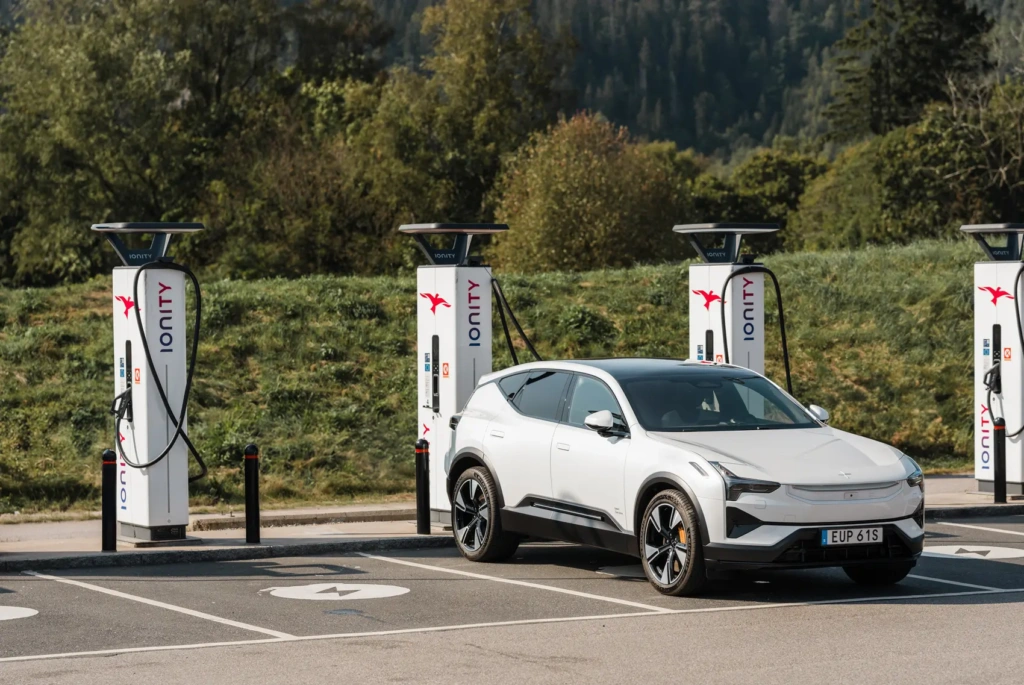
The EU’s move to scrap the rule phasing out internal combustion engine vehicles means that high-emission vehicles may still be registered from 2035 onwards, slowing progress in one of the most critical sectors for decarbonisation.
However, this scaling back of the green transition is not unique to Europe. It reflects a broader pattern among major economies, where climate ambition is increasingly being tempered by political and economic pressures.
Early in his term, President Trump pulled the United States out of the Paris Agreement, and the administration is now set to pay $1 billion to the French company Total Energies to exit two U.S. offshore wind leases, part of a wider shift away from offshore wind and other renewable energy investments. This signals a broader retreat from climate commitments among major economies, with global implications.
The Data
Germany’s target of cutting emissions by 65% by 2030 is now drifting further out of reach.
What was once a 25 MtCO₂e shortfall has expanded to 30 MtCO₂e by 2030, reflecting a slowdown driven by policy uncertainty and uneven sectoral progress.
Even more concerning is the cumulative gap in the buildings and transport sectors, which has ballooned to 255 MtCO₂e, highlighting persistent structural challenges in areas critical to everyday energy use and mobility.
As the report warns, “the growing emissions gap also threatens to undermine Germany’s legally binding commitment to reaching climate neutrality.”
What Does this Mean for Africa?
The implications stretch far beyond the borders of major economies.
At a time when Africa contributes less than 4% of global emissions yet bears the brunt of climate impacts, any slowdown by major economies weakens global momentum, dilutes accountability, and risks stalling the financial and policy support the continent urgently needs.
For Africa, the consequences are already unfolding with alarming clarity, from prolonged droughts in the Horn of Africa to devastating floods across West and Central Africa.
In countries like Kenya, where agriculture remains a cornerstone of the economy, such climate instability threatens food security, livelihoods, and economic resilience.
Currently, even as heavy rains are recorded across parts of the country, with some regions reporting bumper harvests, a severe drought in Northern Kenya, driven by failed rains, has created a critical hunger crisis affecting over 3.3 million people, with 400,000 in emergency (IPC Phase 4) levels of acute food insecurity, according to the Kenya Red Cross.
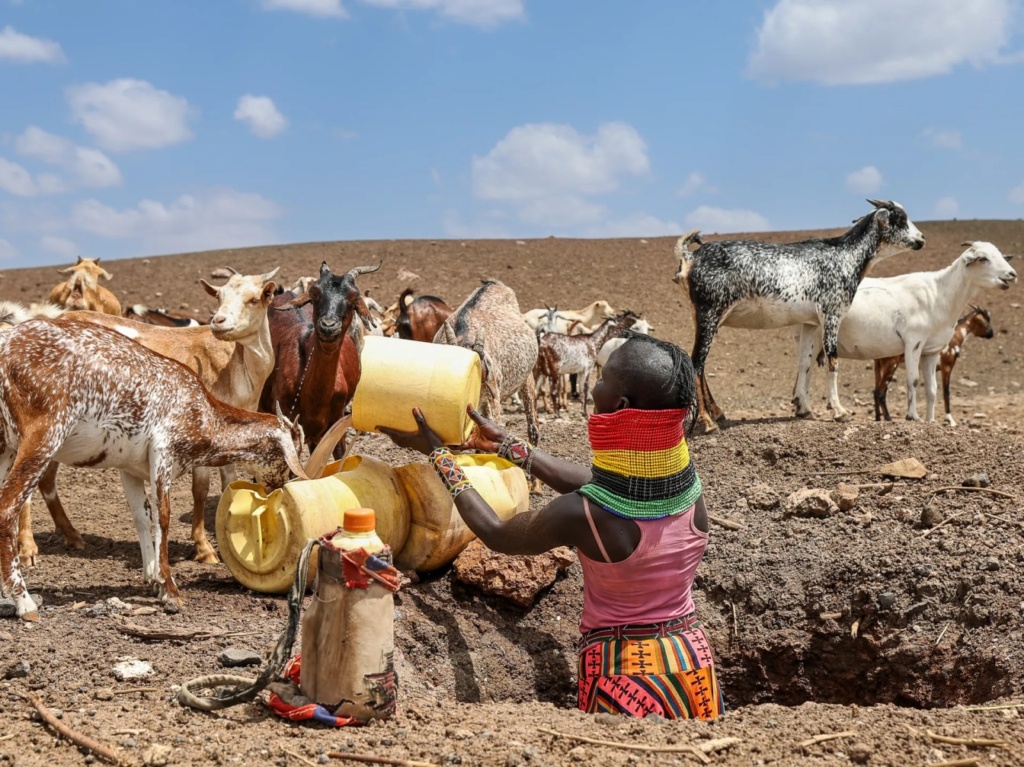
Nomadic pastoralist families, who make up a large share of Northern Kenya’s population, are facing widespread livestock losses and high acute malnutrition rates, with many households increasingly relying on wild fruits for survival.
An Opportunity for the Continent
Statistics continue to show that fossil fuel dependence is both expensive and unsustainable. According to Bill Hare, CEO of Climate Analytics, it is costly, insecure, and not future-oriented.
He highlights that in 2023, Germany spent EUR 80 billion on importing fossil fuels. With persistently high energy prices, this figure is expected to rise, benefiting oil and gas companies while delaying the transition to cleaner alternatives.
“Even before the current energy crisis, the world’s 10 largest oil and gas companies are currently making a profit of around 1.5 billion USD a day. Every day of delay is worth hard cash to the oil and gas industry,” said Hare.
For African countries already grappling with high energy costs and debt burdens, continued global dependence on fossil fuels keeps prices elevated and limits economic flexibility.
Moreover, over-reliance on a single sector to drive emissions reductions, whether energy, transport, or agriculture, can create vulnerabilities that undermine long-term climate goals.
According to Jan-Luka Scheewel, an expert with CAT, this approach is unsustainable.
“In 2025, the energy sector barely delivered additional reductions, and the latest projections suggest that its outsized contribution to economy-wide emission reductions will shrink through 2030.”
Instead, there is a growing opportunity for African countries to pursue integrated, multi-sector climate strategies that align energy transition, sustainable agriculture, urban planning, and industrial development.
Africa holds substantial untapped renewable energy potential, positioning the continent as a future global powerhouse in clean energy.
With about 60% of the world’s best solar resources, Africa could generate more than 1,000 times its projected 2050 electricity demand from renewables. Yet it currently accounts for only around 1% of installed global solar PV capacity, despite an estimated potential of 482,216 GW.
Wind energy prospects are equally vast, with approximately 71,778 GW of capacity, while nearly 89% of hydropower resources remain undeveloped.
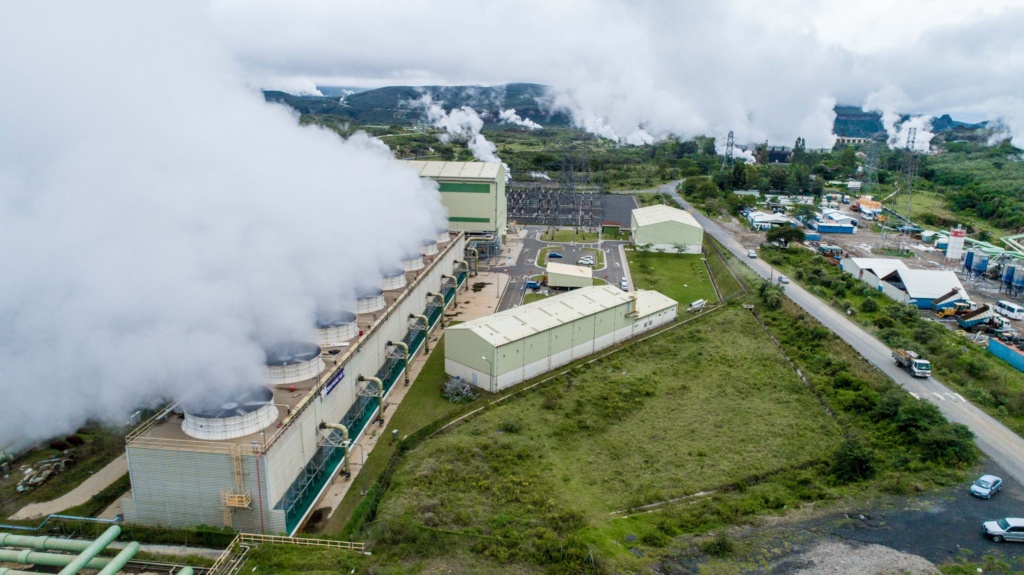
In geothermal energy, the Great Rift Valley presents an estimated 15 GW potential, though only about 900 MW has been harnessed, around 95% of it in Kenya, with projects such as Olkaria demonstrating what is possible with sustained investment.
Beyond these, Africa is also emerging as a key frontier for green hydrogen, with projections suggesting a production potential of 30–60 million tonnes annually by 2050.
An integrated approach not only strengthens resilience but also positions African economies to leapfrog into cleaner, more adaptive growth pathways in a rapidly changing global climate landscape.
Read Also: Can Africa Turn a Geopolitical Crisis into an Energy Opportunity?


