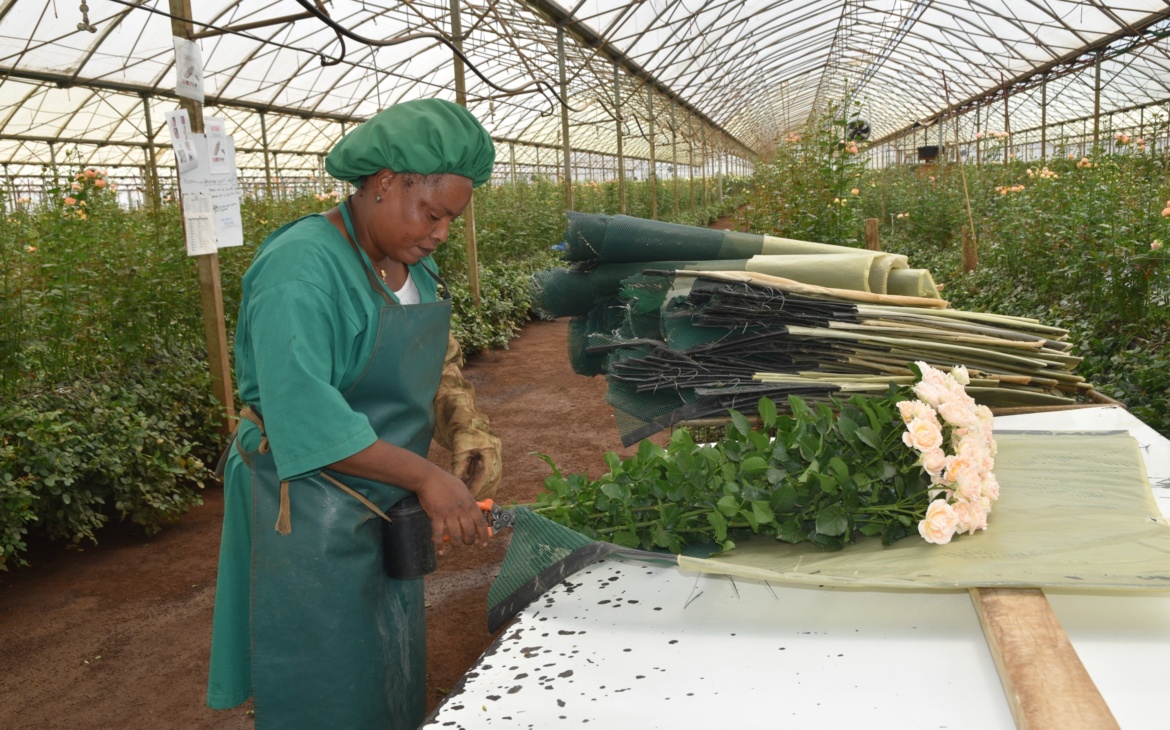
A little-known tariff rule is protecting Kenya’s flower exports, and highlighting why supply chains matter more than ever
Kenyan growers exporting directly to the UK remain protected under the UK-Kenya EPA. However, exporters and logistics providers using European consolidation hubs should continue monitoring developments on the UK’s tariff suspension.
If extended until 2028, it will provide additional certainty for one of the flower industry’s most important supply routes, ensuring logistics decisions remain driven by efficiency rather than unexpected customs costs.
Ten years after the United Kingdom voted to leave the European Union, one of Brexit’s lesser-known consequences continues to benefit the global flower industry.
While Brexit transformed political and trade relationships, it also created an unexpected challenge for flower imports entering the UK through European distribution hubs.
The solution has come not through new trade agreements, but through a temporary suspension of UK import tariffs based on the often-overlooked world of rules of origin.
For Kenyan flower growers, the development is an important reminder that in international trade, logistics and customs rules can be just as important as production.
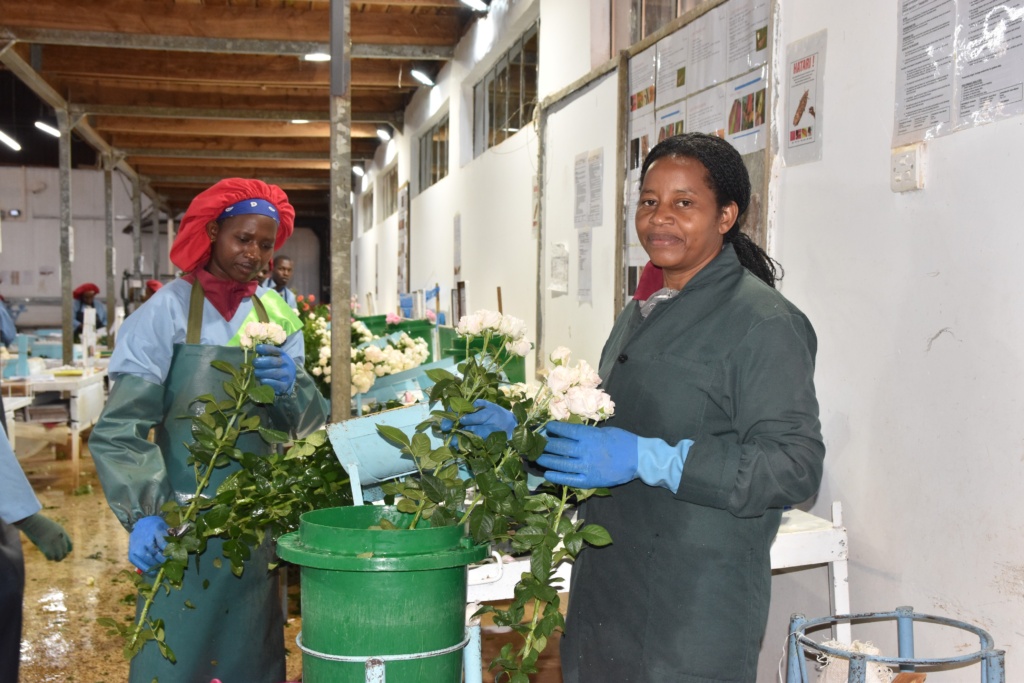
Understanding the issue
A common misconception is that the UK’s tariff suspension on cut flowers was introduced specifically to benefit Kenya or East African exporters.
That is not the case. The suspension, which first came into force in 2024, applies erga omnes, meaning it is available to imports from all countries of origin, regardless of where the flowers were grown. It is a Most Favoured Nation (MFN) measure rather than a country-specific preference.
Earlier this year, the UK Government extended the suspension until 31 December 2026 while it carries out an assessment on whether it should remain in place until 31 December 2028. Kenyan flowers already enjoy duty-free access. For Kenyan growers, the story is slightly different.
Kenya already benefits from guaranteed long-term duty-free and quota-free access to the UK market under the UK-Kenya Economic Partnership Agreement (EPA), negotiated following Brexit. Flowers shipped directly from Nairobi to the UK therefore already enter duty-free under this agreement.
The tariff suspension is therefore not about direct Kenyan exports. Instead, it primarily benefits flowers that reach Britain indirectly through the European Union, particularly through major logistics gateways such as the Netherlands.
Why rules of origin matter
The key issue lies in something many exporters rarely think about: rules of origin. Rules of origin determine the economic nationality of a product.
They establish whether goods qualify for preferential tariff treatment under a trade agreement, not simply where they are shipped from.
Following Brexit, flowers travelling from Kenya to the Netherlands before being forwarded to UK buyers could encounter complex origin requirements.
Even though the flowers were grown in Kenya, routing them through an EU distribution centre could affect whether they qualified for preferential tariff treatment.
The temporary tariff suspension effectively removes this potential cost for importers using European logistics hubs. It is less a change in tariff policy than a practical solution to avoid unintended trade barriers created by Brexit.
Why this matters for Kenyan growers
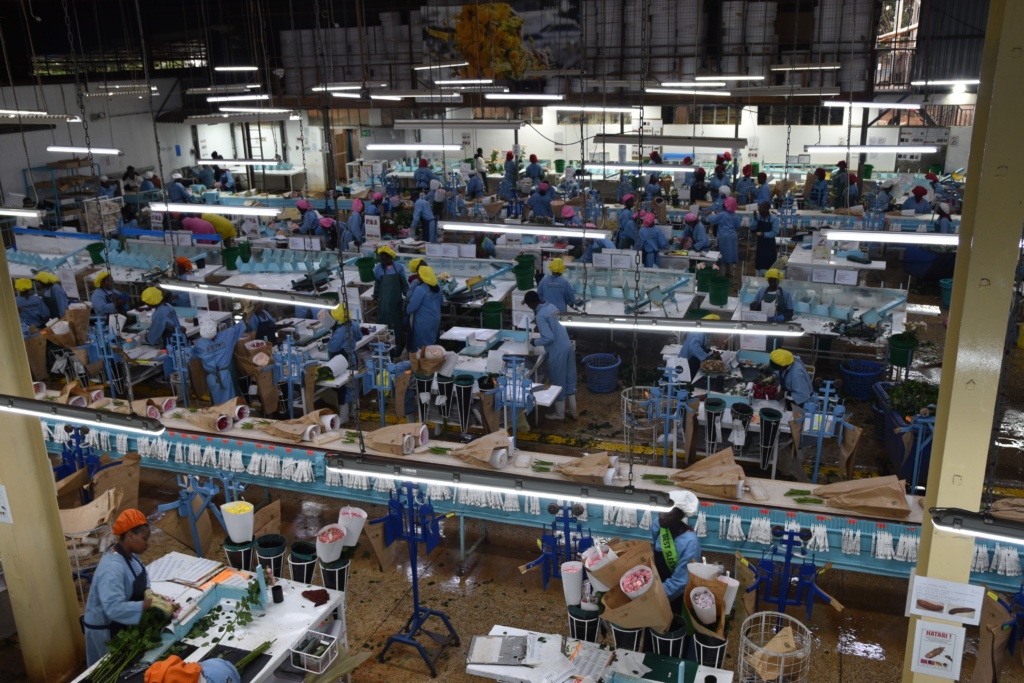
Although direct flights between Nairobi and the UK continue to increase, a significant proportion of Kenyan flowers are still marketed through Dutch wholesalers, auction houses and logistics centres before reaching British supermarkets, florists and retailers.
The Netherlands remains Europe’s largest flower trading hub, providing growers with access to consolidated logistics, wider customer networks and multiple transport options. Without the tariff suspension, indirect shipments into the UK could become more expensive, potentially reducing the competitiveness of flowers moving through these established supply chains. The current arrangement therefore helps preserve flexibility for exporters while maintaining efficient distribution routes.
Supply chains are becoming strategic assets
The flower industry increasingly operates through highly integrated international supply chains rather than simple country-to-country trade. A rose harvested near Lake Naivasha may be auctioned in the Netherlands, consolidated with other products, transported to the UK overnight and be on sale in a supermarket within days.
Every border crossing introduces customs procedures, documentation requirements and origin rules that can influence costs and delivery times. As global trade agreements evolve, growers are finding that understanding trade policy is becoming almost as important as understanding production costs.
Looking ahead
The UK Government is currently reviewing whether to extend the suspension until the end of 2028, providing longer-term certainty for businesses that rely on European distribution networks. For Kenya’s floriculture industry, the episode illustrates an important lesson.
Trade policy rarely affects growers in obvious ways. Sometimes the biggest commercial impacts arise not from tariffs themselves, but from the technical rules that determine how products move through increasingly complex global supply chains.
A decade after Brexit, one of its most unexpected legacies is a tariff measure helping keep flowers flowing smoothly from Kenya, through Europe, and onto the shelves of British retailers.
Author Profile

- How can we learn if we don't question?
Latest entries
 Events12 October 2026Cybersecurity in the Floriculture Industry
 Opinion & Analysis8 October 2026Why Africa Must Look to What Already Exists in Its Blue Economy
 Agriculture5 October 2026The Search for a Smarter Way to Feed Crops
 Events30 September 2026The Goat, the Market and the Dryland: Heifer International’s Push for Livestock Resilience