
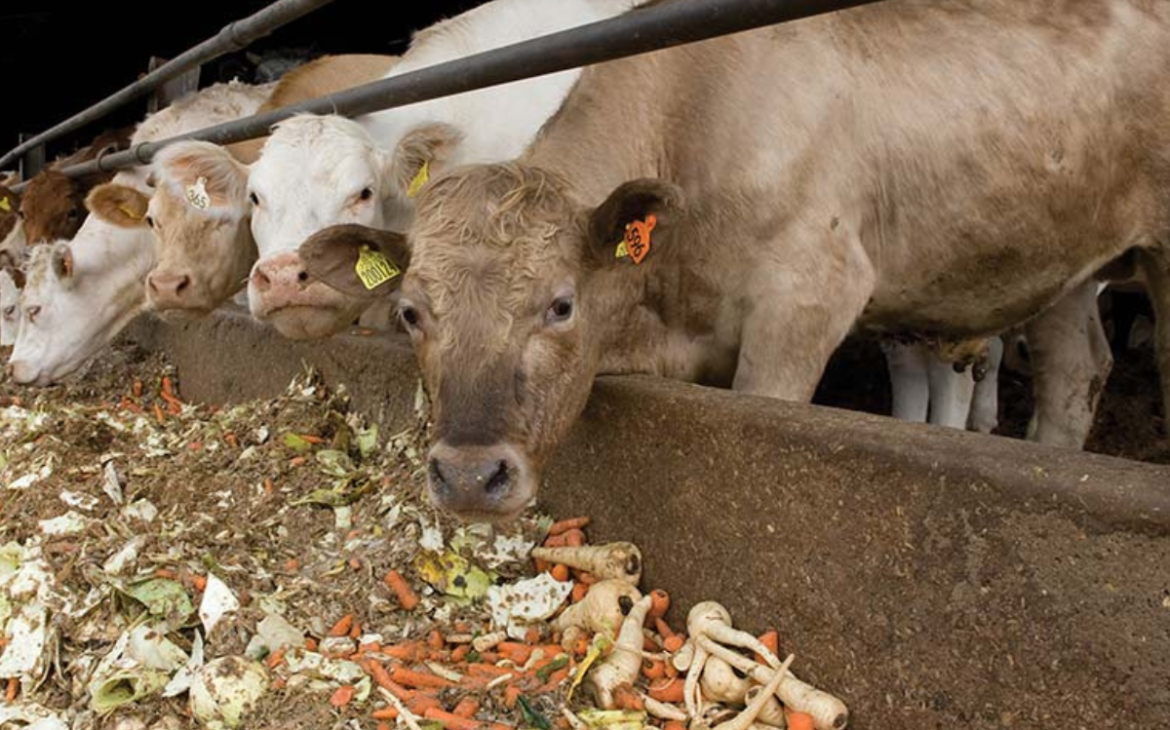
As global water stress intensifies, the World Federation for Animals (WFA) is drawing attention to a critical yet often overlooked factor: intensive animal agriculture. While the sector’s climate impact has long been in the spotlight, its significant pressure on freshwater systems, along with far-reaching consequences for ecosystems, public health, and food security, is now gaining sharper scrutiny.
Agriculture remains the world’s largest consumer of freshwater, accounting for approximately 70 percent of global withdrawals, according to Our World in Data. Within this, intensive animal agriculture accounts for a considerable share, largely due to the large volumes of water required to cultivate feed crops.
Francesca Gallelli, Food Systems Policy Officer at WFA, highlights the substantial footprint of livestock production within the broader intensive animal agricultural landscape. She points to clear opportunities to reduce water usage across both production systems and consumer behavior, emphasizing the need for more sustainable practices.
In comparison, industrial activities account for about 20 percent of global water use, while domestic consumption represents just 6 to 10 percent. Despite this, much of the water burden associated with livestock production remains embedded and largely invisible within complex global supply chains.
Experts note that the greatest strain does not come directly from the animals, but from the intensive cultivation of feed crops, often grown in regions already facing water scarcity. This growing demand is increasingly driven by global consumption patterns, amplifying pressure on already fragile water resources.
“In many high-income countries, consumption of animal-sourced foods exceeds healthy and sustainable levels,” Gallelli notes. “Reducing this would benefit both human health and water resources.”

Notably, such demand is also driving land-use change in parts of the Global South, where water-intensive feed production is expanding to meet international markets.
Shifting the System of Intensive Animal Agriculture
Experts argue that meaningful change must happen both on farms and at the consumer level. A growing body of research points to agroecology, agroforestry, and integrated crop-livestock systems as viable alternatives to water-intensive industrial models.
The Food and Agriculture Organization identifies agroecology as a key lever for transforming food systems in its 2025 report, The State of the World’s Land and Water Resources for Food and Agriculture. The approach blends scientific innovation with traditional knowledge, focusing on soil health, biodiversity, and water conservation.
It further illustrates how some of the actionable steps can be implemented, with practical examples already emerging. In Peru’s Nor Yauyos Cochas Landscape Reserve, it’s revealed that water scarcity once threatened communities heavily reliant on livestock, but this issue was addressed.
This was possible through a community-led programme integrating pasture management, ecosystem restoration, and water governance, a move that has contributed to the region seeing improved water availability and resilience.
Measures such as rotational grazing, wetland restoration, and micro-catchment rehabilitation have helped regulate water flows, recharge groundwater, and secure supply for both people and livestock, demonstrating that sustainability and productivity can go hand in hand.
Pollution and “Dead Zones”
Water quantity is only part of the story when it comes to the conversation around water scarcity and some of the reasons why it’s increasingly intense and frequent. Research further shows that intensive livestock systems are apparently a major source of water pollution.
Nutrient runoff from fertilisers and animal waste fuels algal blooms in rivers, lakes, and coastal areas. The algae can become Harmful Algal Blooms (HABs), producing toxins that cause fish kills and marine mammal deaths. These blooms deplete oxygen levels, creating so-called “dead zones” where aquatic life cannot survive.
Beyond ecological damage, such contamination poses risks of severe human health issues, such as skin rashes or neurological symptoms, especially when drinking water sources are affected.
In places like Lake Erie in the United States, improved farming practices and policy interventions have led to measurable gains in water quality, showing that better nutrient management can reverse some of the damage.
This was after it became clear that agriculture was one of the biggest polluters of the water ecosystem.
Antibiotics in the Water
Another growing concern is antimicrobial resistance (AMR), which the World Health Organization ranks among the top global health threats apparent in intensive animal agriculture.
According to Dr. Masika Sophie, Global Health Policy Manager, WFA, Intensive animal agriculture and aquaculture are the third leading source of antibiotic pollution in water after medical/pharmaceutical wastewater and domestic sewage.
“Intensive animal agriculture is a major contributor to antibiotic pollution,” she says, “Animals can excrete up to 90 percent of the antimicrobials they receive, which can then enter waterways.”

Routine antibiotic use in crowded, high-stress farming environments increases the risk of resistant bacteria spreading through water systems. In contrast, higher-welfare farming models, where animals are healthier and less stressed, can significantly reduce the need for such drugs.
Although regulatory efforts are gaining traction, as witnessed by the European Union and the United Kingdom, which have introduced measures to curb antimicrobial use in livestock, signalling a shift toward more sustainable and responsible production.
Nature’s Role in Water Security
Beyond agriculture, restoring ecosystems is emerging as a critical strategy for water resilience. “The most effective conservation efforts are those that restore entire systems and their ecological functions,” says Ed Goodall, Climate Policy Specialist, WFA.

Goodall emphasizes that this should include the wild species, which play vital roles in regulating water cycles. Beavers, for instance, create wetlands that slow water flow and enhance storage, while oysters and mussels filter pollutants and improve water quality in coastal areas.
“The restoration of species, be that rebounding numbers of reintroductions, should be seen as a part of whole-catchment restoration, allowing systems to return to a natural balance after they have been disturbed by humans and key species lost,” said Goodall.
Such nature-based solutions are increasingly seen as essential complements to policy and technological interventions. Despite clear linkages, animal welfare remains largely absent from global water policy discussions.
Jessica Bridgers, the Deputy Chief Executive Officer of WFA, acknowledges that the connections between animals and water are often overlooked, even though they play a crucial role.
“The connections between animals and water do not rise to the top of mind for most people, including policymakers. Yet animal production systems carry significant water footprints, and their environmental costs are frequently externalised,” says Bridgers.
Economic incentives continue to favour high-output, industrial systems, like animal agriculture, even as their long-term impacts on water resources become more evident.
Bridgers urges that as we advance, such costs shouldn’t be externalised, and that the benefits of shifting food system production and consumption patterns toward more water- and animal-friendly systems.

Toward a Water-Smart Food System
Efforts are underway to close this gap with the World Federation for Animals pushing for stronger integration of animal welfare into global frameworks such as One Health, which links human, animal, and environmental health.
This includes engagement in international processes on pandemic preparedness and antimicrobial resistance, as well as calls for governance reforms and community-led approaches to food system transformation.
At the heart of these efforts is a simple but urgent yet overlooked message: water security cannot be achieved without rethinking how food is produced and consumed.
“Reducing the number of animals being intensively farmed is essential,” Bridgers says. “This must be paired with shifts in consumption and a transition to more sustainable systems.”
As the world edges closer to critical water thresholds, the choices made in agriculture, on farms, in policy, and at the dinner table will play a defining role in shaping a more water-secure future.


