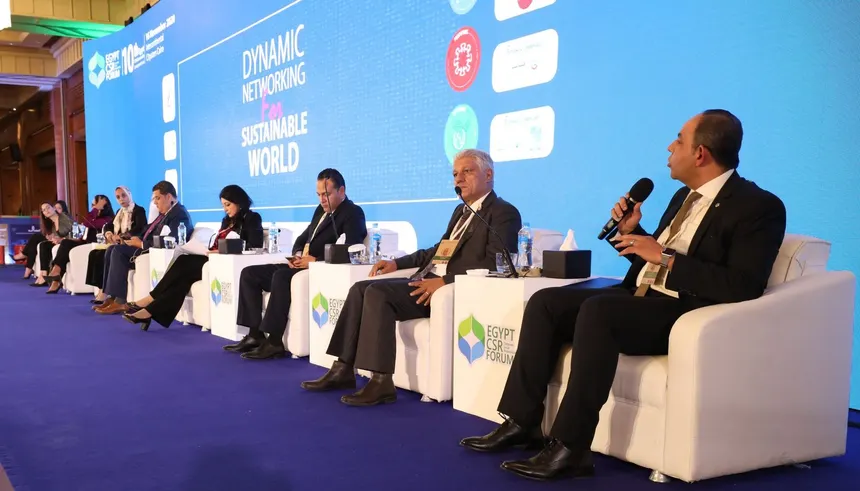
A farmer supplying produce to an export company may never see Europe’s carbon border taxes, but their farming practices are increasingly becoming part of the global climate economy. During the 16th Egypt CSR Forum held earlier this week, the growing pressure on corporations to decarbonize was apparent, as was the emerging role of carbon finance.
Kenya’s horticultural exports to the European Union were valued at Sh71.8 billion in 2024, showing how deeply the country’s agricultural sector is tied to European markets and increasingly, to evolving climate regulations shaping global trade.
Carbon markets often sound highly technical, but at their core, they begin with something practical: companies first need to understand how much pollution they are producing.
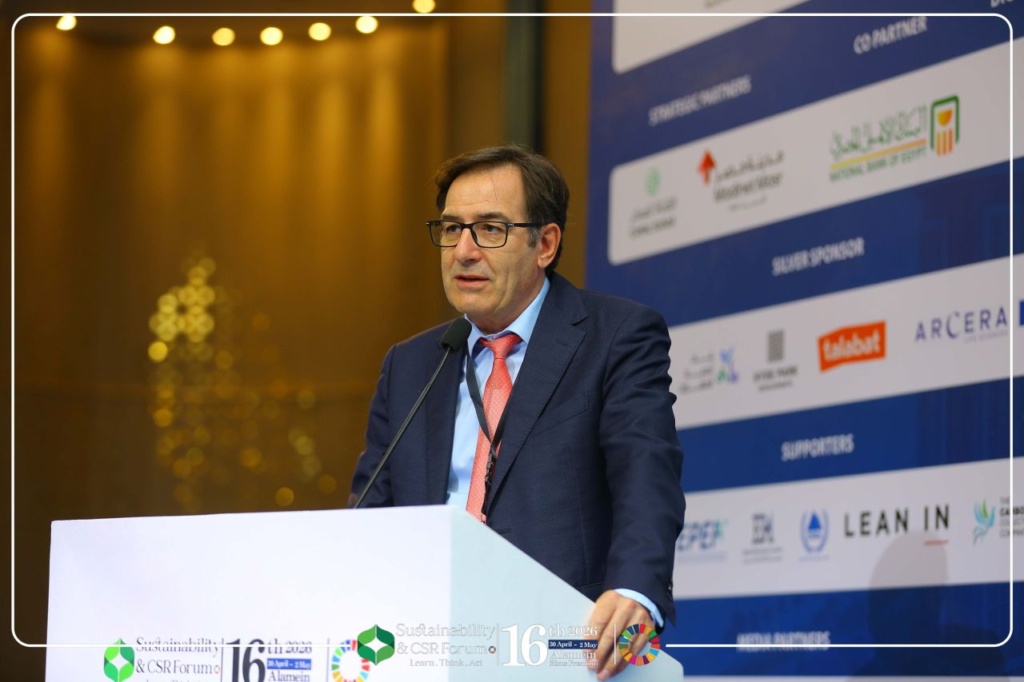
According to Dr. Stefano Merlin, CEO of Sustainable Carbon Group, this starts with measuring and calculating emissions across operations and supply chains through a process known as carbon accounting and emissions inventory.
“Once businesses identify where emissions are coming from, they can begin reducing them through cleaner production systems, renewable energy, or more efficient resource use. These verified reductions can then be converted into carbon credits, which companies can sell in voluntary carbon markets,” he explains.
Increasingly, these credits are being viewed not only as environmental assets but also as financial tools that can generate revenue for further sustainability investments.
The Agriculture and Food Systems Connection
Dr. Stefano emphasizes that for industries such as agriculture and food production, this means decarbonization is no longer only about compliance, but also about creating cleaner supply chains while unlocking new economic opportunities for companies, suppliers, and farmers alike.
“Carbon reduction is no longer confined within factory walls. It is extending into farms, transport systems, biomass sourcing, and rural supply chains,” he says.
As international markets tighten sustainability requirements, export-oriented agribusinesses are under growing pressure to demonstrate lower-carbon operations across their entire value chains.
“Increasingly, farmers, suppliers, and local communities are becoming part of the broader decarbonization process as companies begin examining emissions across sourcing networks and agricultural supply chains,” he says, adding that this shift is gradually turning sustainability from a corporate obligation into a shared economic and environmental responsibility across the entire food ecosystem.
For exporters supplying European markets, emissions tracking is increasingly becoming a commercial necessity. The European Union’s Carbon Border Adjustment Mechanism (CBAM) is expected to push companies to pay closer attention to emissions embedded within supply chains, creating pressure for producers in developing economies to adapt to stricter sustainability standards.
Carbon Markets and the Local Communities
One of the biggest questions surrounding carbon markets is whether the financial value generated from climate action will genuinely reach the communities helping to deliver it.
According to Dr. Stefano, carbon credits can create benefits that are shared across supply chains, including corporations, suppliers, and farmers.
“As companies pursue decarbonization targets, local communities are increasingly becoming part of sustainability projects. For many smallholder farmers, this could potentially open access to new streams of climate finance that were previously unavailable,” he says.
In many developing regions, small-scale farmers and rural communities remain among the most vulnerable to climate change despite contributing the least to global emissions.
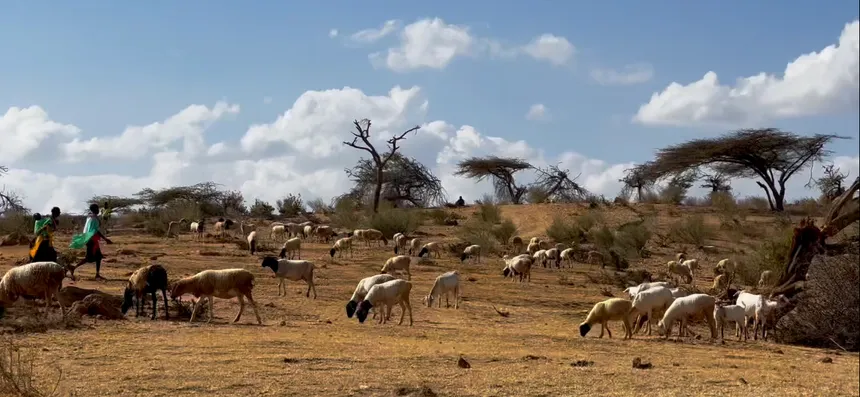
This has placed growing attention on issues such as benefit-sharing, carbon equity, and community participation.
“If designed inclusively, carbon projects could support livelihoods, strengthen resilience, and finance cleaner local production systems,” he adds.
While carbon markets have historically been associated with projects in Latin America and parts of Asia, attention is increasingly shifting toward Africa and the Middle East and North Africa (MENA) region.
Dr. Stefano Merlin notes that Sustainable Carbon Group first built experience across Latin America before expanding operations into Africa and, more recently, the MENA region, where renewable energy and biomass opportunities are rapidly growing.
The continent possesses significant renewable energy resources, vast agricultural systems, forest landscapes, and biomass potential that could support low-carbon development projects.
At the same time, Africa continues to face major climate finance gaps, leaving governments, communities, and businesses searching for new funding mechanisms to support adaptation and sustainable growth.
This has increased investor interest in carbon projects linked to clean energy, regenerative agriculture, reforestation, and supply-chain decarbonization. For many stakeholders, the challenge now lies in ensuring that the growth of Africa’s carbon economy translates into long-term local development rather than simply supplying carbon offsets to wealthier economies.
As global markets tighten climate requirements and corporations accelerate decarbonization, the future of carbon markets may depend less on financial transactions and more on whether they can deliver measurable value to local communities, farmers, and supply chains on the frontlines of climate change.
Read Also: Where Flood Waters Return every Season