
In Nyalenda, Dreams Redefined CBO Led by Young Women Are Turning Climate Survival Into Community Strategy
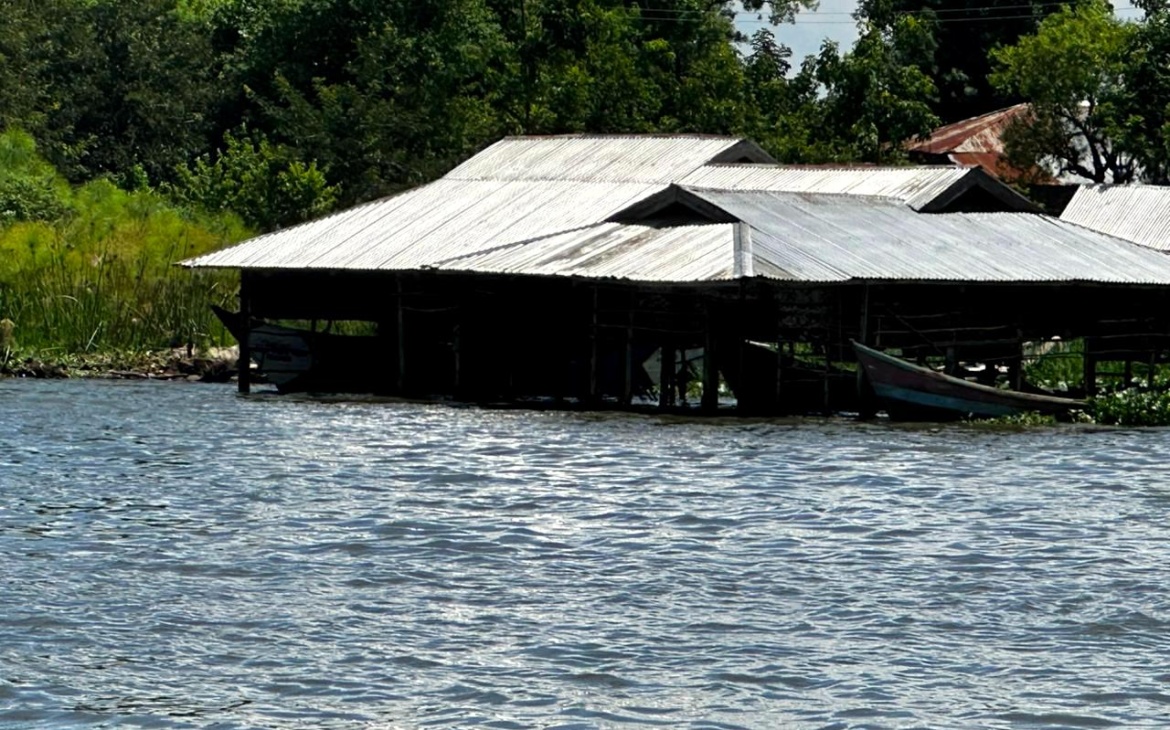
In Nyalenda, Kisumu’s flood-prone informal settlement, where heavy rains regularly disrupt livelihoods and force families to move with little warning, climate adaptation is rarely discussed in abstract policy language. It is spoken through blocked drainages, flooded homes, missed school days, and the quiet calculations families make every rainy season about whether to stay or leave.
Inside that reality, a group of young women sat around a proposal document trying to answer a difficult question: what would community-led climate resilience actually look like for people already living through climate mobility?
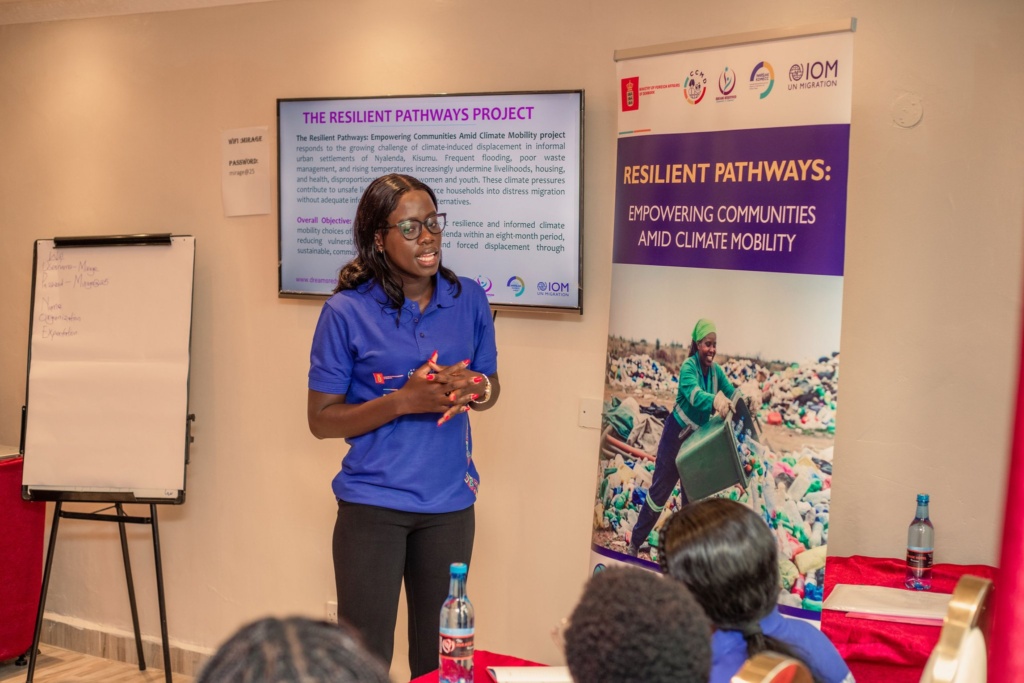
Months later, Dreams Redefined CBO would secure a $15,000 grant from the International Organization for Migration (IOM) to implement the Resilient Pathways: Empowering Communities Amid Climate Mobility project in Nyalenda. Behind the successful application was a young woman whose training, persistence, and grounding in community realities helped transform the idea into a funded intervention.
Tracey Achieng, the lead coordinator for the IOM-funded project at Dreams Redefined CBO, speaks with the calm precision of someone used to translating lived experiences into project language.
A passionate advocate for gender justice, climate resilience, and sexual and reproductive health rights (SRHR), she has trained more than 30 women in the production of reusable sanitary towels, linking menstrual dignity with economic empowerment.
Her advocacy work has also extended to Transparency International Kenya and Zamara Foundation, where she contributed to anti-corruption and feminist leadership initiatives. Yet throughout the conversation, her focus repeatedly returns to one thing: community ownership.
Dreams Redefined CBO Proposal Built From the Ground
For Tracey and the Dreams Redefined CBO team, the proposal process began long before the writing itself.
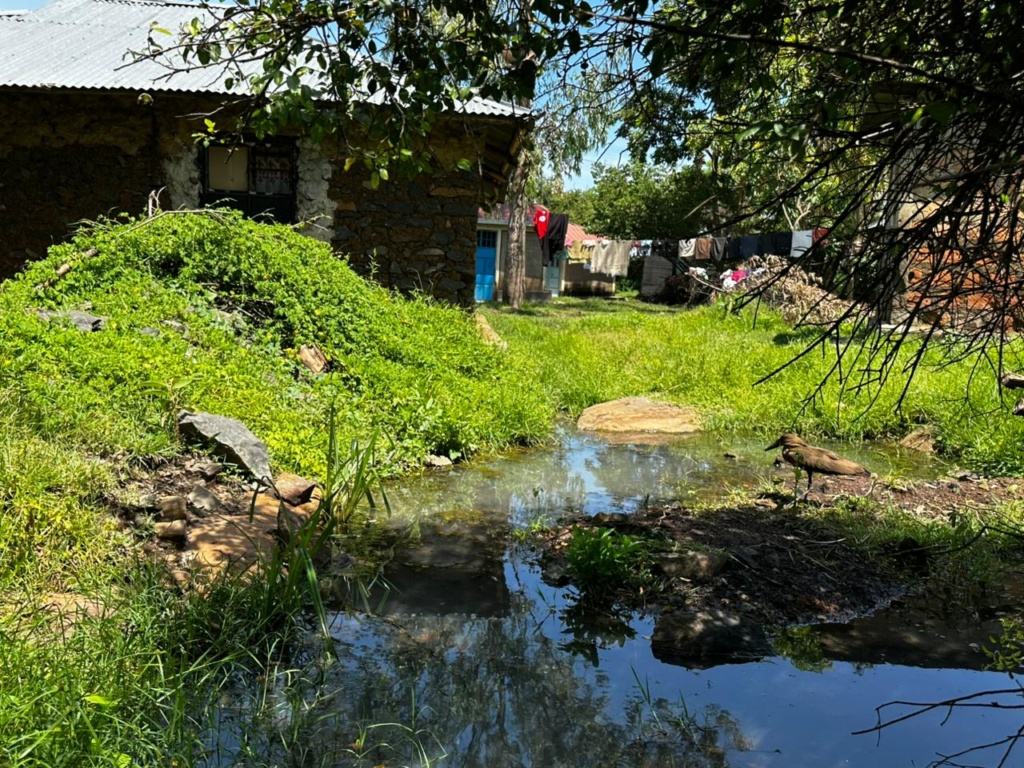
The team conducted a baseline survey across Nyalenda’s neighbourhoods, walking through flood-affected areas, mapping vulnerable zones, and speaking directly with residents about how recurring floods were reshaping everyday life.
That process eventually forced them to rethink parts of the project. “During the proposal writing stage, the areas we had initially mapped for eco-brick infrastructure saw us working with the county government,” Tracey explains.
She points out that during their baseline survey, they are able to see that, yes, the solution was addressed, but now it has been realized that these neighbourhoods also have blocked drainage.
Rather than abandoning the intervention, the team adapted. Instead of constructing new drainage systems, they shifted toward clearing and repairing blocked drainage channels, a solution that responded more directly to what residents were experiencing on the ground.
It was a small but important example of what distinguishes many grassroots organizations from externally designed interventions: proximity. The team was not relying on assumptions. Most of them live in the same communities they designed solutions for.
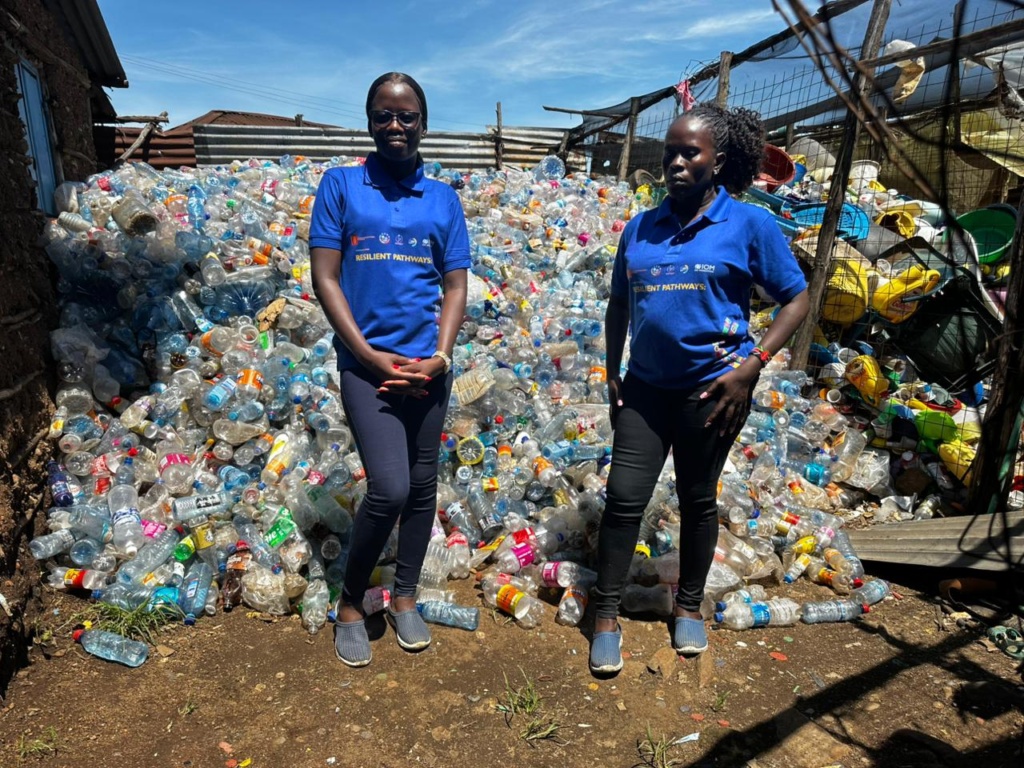
In working around solutions to plastic waste and end-product recycling, Dreams Redefined CBO intends to work with youth groups like Amani Youth Organization, which is already involved in the collection and sorting of waste into categories including organic, plastic, and paper waste.
Understanding Climate Mobility Beyond Crisis
Yvonne Ogolla, the founder of Dreams Redefined CBO, credits much of the proposal-writing approach to mentorship and climate mobility training, including capacity-building sessions linked to IOM programming that were offered to Tracey, who later shared them with the team.
The training helped sharpen her understanding of climate mobility not only as displacement, but also as a possible adaptation strategy when communities are equipped with information and preparedness.
Yvonne emphasizes that it’s notable when the community members move because it has already flooded; they move with a lot of risks.
“Although if we are aware that floods are with us and will still come, then how do we prepare? Climate migration can be risky when it is unplanned. But if you plan, it is as if you are adapting,” says Ogolla.
That distinction now shapes the project’s three interconnected pillars: sustainable waste management and eco-brick training, reusable sanitary towel production through their social enterprise Afia Zingira, and community climate mobility awareness forums.
Together, the activities aim to approach climate resilience not only as environmental protection, but also as dignity, preparedness, health, and economic agency.
A Team Effort Rooted in Trust
Although Tracey played a central role in the proposal development, she repeatedly frames the achievement as collective work.
At Dreams Redefined, she explains, reports move continuously between team members before submission. Drafts are reviewed collaboratively, field observations are verified together, and gaps are addressed collectively.
Yvonne reveals that before the document reaches her, one of the members will be requesting it, describing the organization’s internal workflow. That collaborative culture also shapes how the project will be implemented.
Rather than directly engaging all 300 target beneficiaries at once, Dreams Redefined plans to train 40 individuals drawn from 20 community groups as Trainers of Trainers (TOTs), allowing knowledge to spread organically through existing social networks. The same approach applies to the reusable sanitary towel training sessions.
Participants are first taken through menstrual hygiene management awareness before learning production skills, ensuring that the training goes beyond technical instruction.
“Someone will just be making them for the sake of making them,” Tracey says. “We need them to know why. So that as they are working as our TOTs, they go back to the community and replicate the same.”
This shift reflects Dreams Redefined CBO’s effort to root climate action in lived realities while challenging some of the highly publicized but less sustainable environmental interventions often seen in communities, from symbolic tree planting exercises to short-term clean-up campaigns.
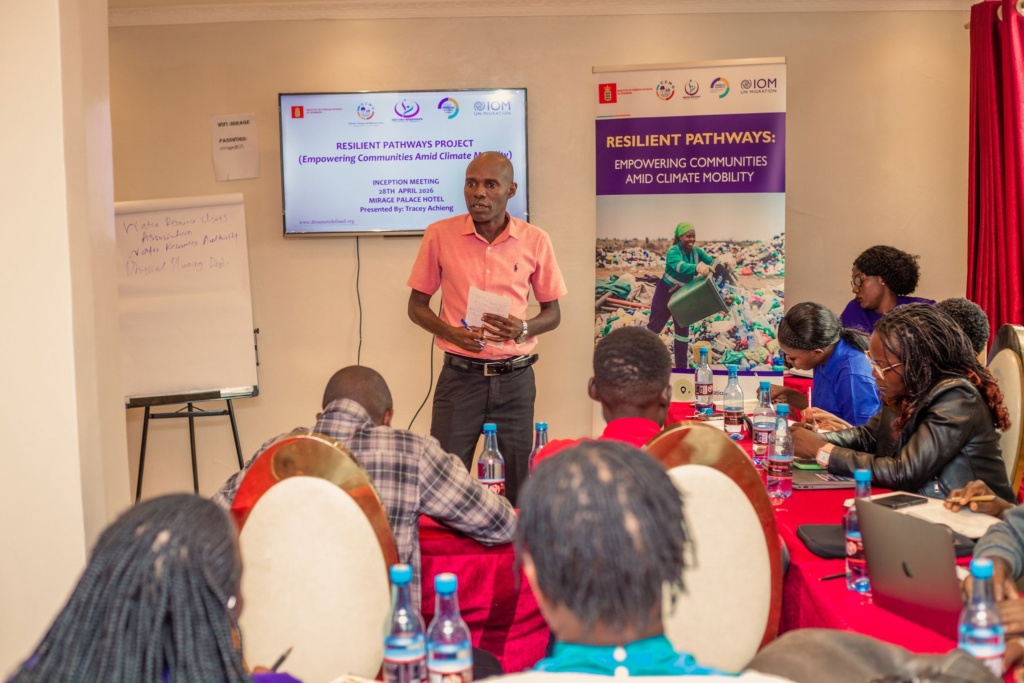
“We are focusing on tree growing, rather than tree planting, similar to training communities on their resilience,” says Tracey.
One phrase from the interview captures the organization’s philosophy with unusual clarity. “We are not just going somewhere, planting trees, and taking photos,” Tracey says. “We are focusing on tree growing.”
The distinction reflects a broader frustration increasingly shared within grassroots climate spaces, where visibility often receives more attention than sustainability.
Dreams Redefined CBO is working with the Kenya Forest Service and the Kenya Red Cross Society to integrate monitoring, mapping, and long-term accountability into the restoration work. Tree species will be matched to ecologically suitable zones using GIS and county planning data, while activities will align with Kisumu County’s existing environmental calendar.
For the team, success is not measured by the number of seedlings placed into the ground for photographs. It is measured by whether those trees survive.
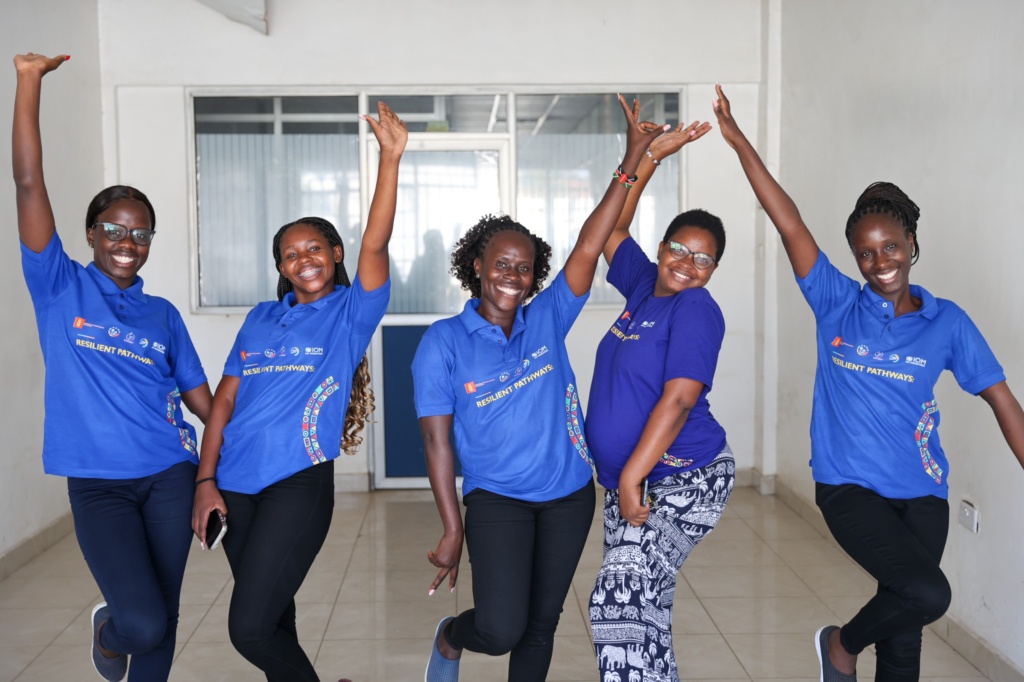
Taking Climate Conversations Into Familiar Spaces
Another defining feature of the project is how the organization plans to conduct climate mobility awareness forums.
Instead of relying on standalone workshops, Dreams Redefined intends to integrate discussions into existing community spaces such as Chief’s Barazas and ward meetings, forums where residents already gather and participate.
“When a Chief’s Baraza happens, every person from every walk of life comes,” Yvonne notes. “That is where we get landlords. Some of them migrated and left their tenants in houses near the river.”
The strategy reflects an understanding that climate conversations become more effective when they are embedded within familiar social structures rather than introduced as external campaigns.
The goal is not to lecture communities about climate mobility, but to create spaces where residents can openly discuss risk, preparedness, and adaptation using their own experiences.
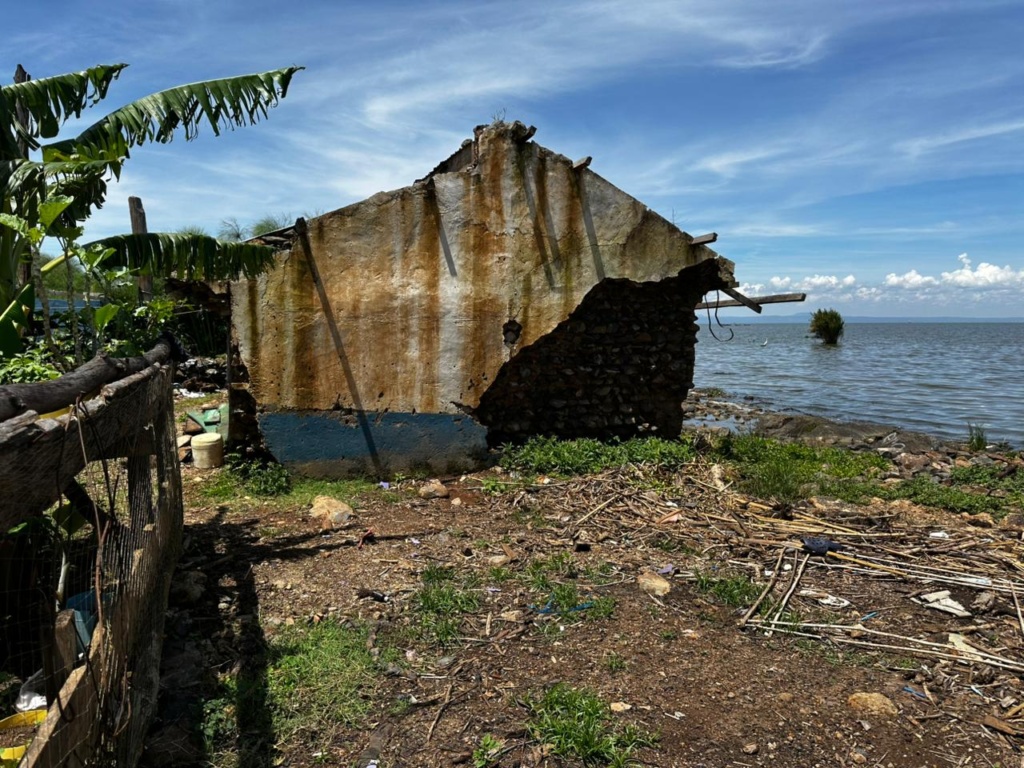
For Dreams Redefined, the IOM grant represents more than financial support. It is recognition that grassroots organizations rooted in lived experience can design credible climate solutions for their own communities.
It became notable that most of the team members are staying in Nyalenda, hence their actions are grounded in lived realities rather than something they would just be talking about, which they don’t know.
The technical frameworks may have been strengthened through training, but the knowledge itself comes from experience, from floodwaters entering homes, from disrupted livelihoods, and from watching neighbours relocate after every rainy season, only to return because they have nowhere else to go.
In the months ahead, Tracey hopes the project will contribute to something simple but deeply significant: fewer families living in high-risk riparian zones because they now have the information, support, and agency to make safer decisions for themselves.
In a community where climate mobility is often shaped by crisis and urgency, that shift toward preparedness may prove transformative.


