A breakthrough catalyst developed by researchers at the University of Birmingham could dramatically lower the cost of hydrogen production, opening new opportunities for Africa’s renewable energy transition and industrial decarbonization.
As countries around the world race to reduce greenhouse gas emissions and transition away from fossil fuels, hydrogen has emerged as one of the most promising clean energy carriers.
From powering heavy industry and long-haul transport to storing renewable energy for later use, hydrogen is increasingly viewed as a critical component of a net-zero future.
Yet despite its potential, the economics of hydrogen production have remained a significant barrier. Most of the world’s hydrogen is still produced using fossil fuels, while cleaner production methods often require large amounts of energy and costly infrastructure.
Now, researchers at the University of Birmingham have developed a breakthrough low-temperature hydrogen production technology that could significantly reduce costs and make hydrogen generation more accessible, particularly in regions rich in renewable energy resources and industrial waste heat.
The innovation comes at a time when African countries are exploring hydrogen as a pathway to industrial growth, energy security, and climate resilience.
Nations such as Kenya, Namibia, South Africa, Egypt, and Morocco have already begun investing in green hydrogen projects, attracted by abundant solar and wind resources that could position the continent as a major future supplier of clean fuels.
Rethinking Hydrogen Production
Hydrogen is the most abundant element in the universe, but on Earth it is rarely found in its pure form. Instead, it exists in compounds such as water and hydrocarbons, meaning energy is required to separate it before it can be used as a fuel.
Today, nearly 95 percent of global hydrogen production relies on fossil fuel-based processes, particularly steam methane reforming. While effective, the process releases significant amounts of carbon dioxide unless paired with carbon capture technologies.
Researchers led by Professor Yulong Ding from the University of Birmingham’s School of Chemical Engineering believe they have found a solution.

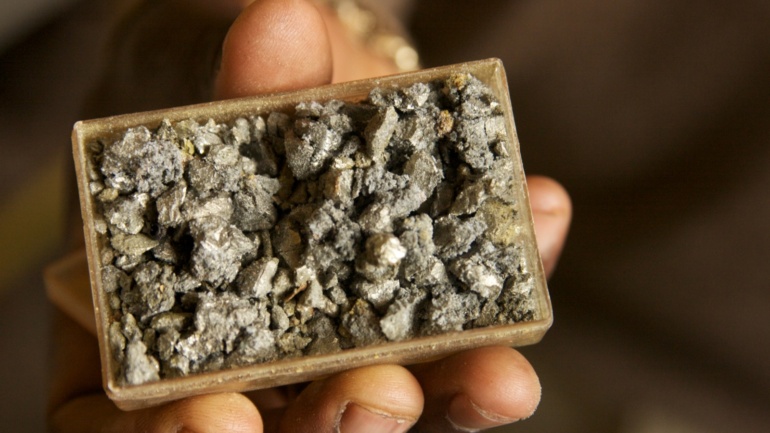
According to findings published in the International Journal of Hydrogen Energy, a newly developed perovskite-based catalyst was able to generate substantial amounts of hydrogen at temperatures between 150°C and 500°C, while regeneration could be achieved at temperatures between 700°C and 1,000°C, around 500°C lower than existing approaches.
Professor Ding explained the significance of the breakthrough saying, “The lower overall temperature of the process could enable hydrogen to be produced nearby renewable energy generation plants, and foundation industry sectors such as steel, cement, glass and chemicals have an abundance of waste heat, which could be harnessed as the heat input for low-temperature hydrogen production.
If the hydrogen is used locally, this would overcome the obstacles presented by storage and transport, so enabling the uptake of hydrogen fuel without the need for costly infrastructure.”
Turning Waste Heat into Clean Fuel
The implications could be particularly important for Africa, where industrialization and renewable energy expansion are occurring simultaneously.
Across the continent, industries such as cement manufacturing, steel processing, mining, fertilizer production, and glass manufacturing generate substantial amounts of waste heat that often goes unused.
The ability to convert that heat into hydrogen could create a new source of clean fuel without requiring entirely new energy systems.
For countries seeking to expand renewable energy generation, the technology could also help address one of the sector’s biggest challenges: energy storage. Hydrogen can act as a long-duration energy storage medium, capturing excess electricity generated during periods of high solar or wind output and making it available when needed.
This could prove especially valuable in regions with abundant renewable resources but limited grid infrastructure.
Africa possesses some of the world’s best solar and wind conditions.

According to international energy assessments, the continent has the technical potential to generate thousands of gigawatts of renewable electricity, far exceeding current demand.
Low-cost hydrogen production technologies could help transform that renewable potential into export opportunities and domestic industrial growth.
Lower Costs Could Accelerate Adoption
Beyond the technical achievement, the Birmingham researchers also conducted a preliminary economic assessment of their technology.
Their analysis suggests that hydrogen produced through the new low-temperature water-splitting process could be cheaper than both green hydrogen produced through electrolysis and blue hydrogen produced from natural gas with carbon capture and storage.
The economic advantages appear particularly strong in regions where renewable electricity costs are already low, including many parts of Africa, Australia, and the Middle East.
For emerging economies, lower production costs could be a game-changer. One of the major obstacles to hydrogen adoption has been affordability, especially for industries operating in cost-sensitive markets.
Reducing both energy requirements and infrastructure needs could make hydrogen more accessible to developing economies seeking to decarbonize without sacrificing competitiveness.
Read Also: Hydrogen vs Electric Cars: Which is Better for the Future?