As the Kenya Flower Council marks 30 years, Agriculture CS Mutahi Kagwe says the industry must move beyond its traditional strengths and build a more efficient, sustainable and technology driven export model.
Kenya’s flower industry has reached a point where its future cannot be secured by production capacity alone. Rising costs, tighter regulations, climate pressures, fragile logistics and increasingly demanding international buyers are forcing the sector to rethink what it means to remain competitive.
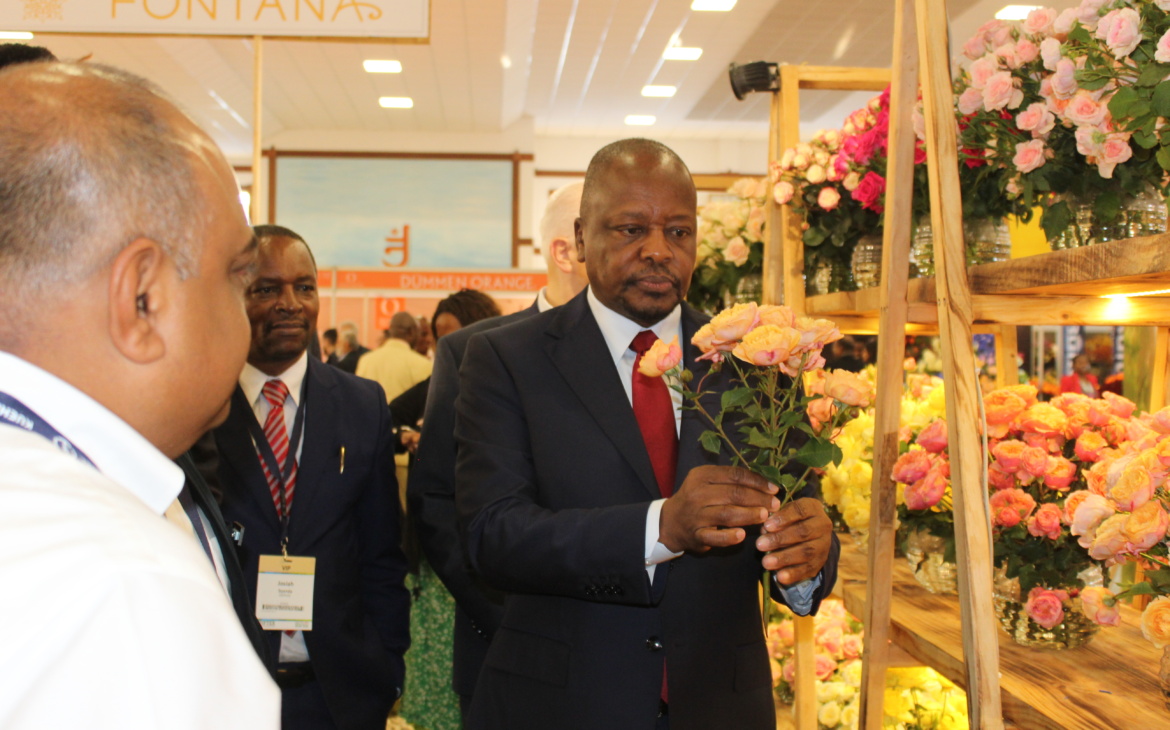
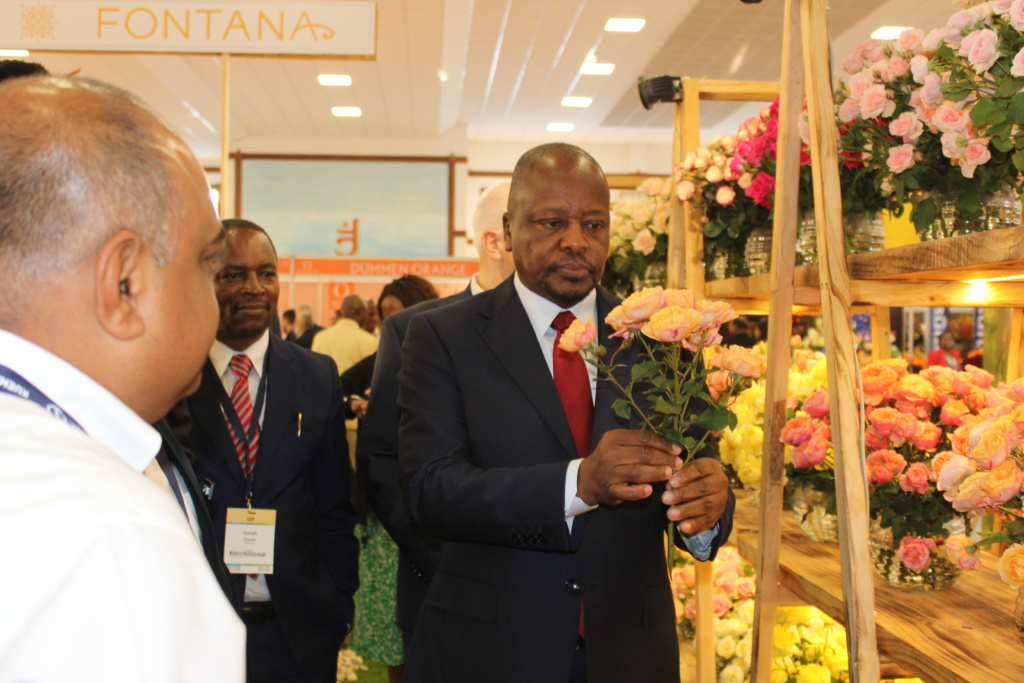
That was the central message from Agriculture and Livestock Development Cabinet Secretary Mutahi Kagwe as the Kenya Flower Council marked 30 years of industry representation and leadership at the KFC@30 Anniversary and Pinnacle Sustainability Awards in Nairobi.
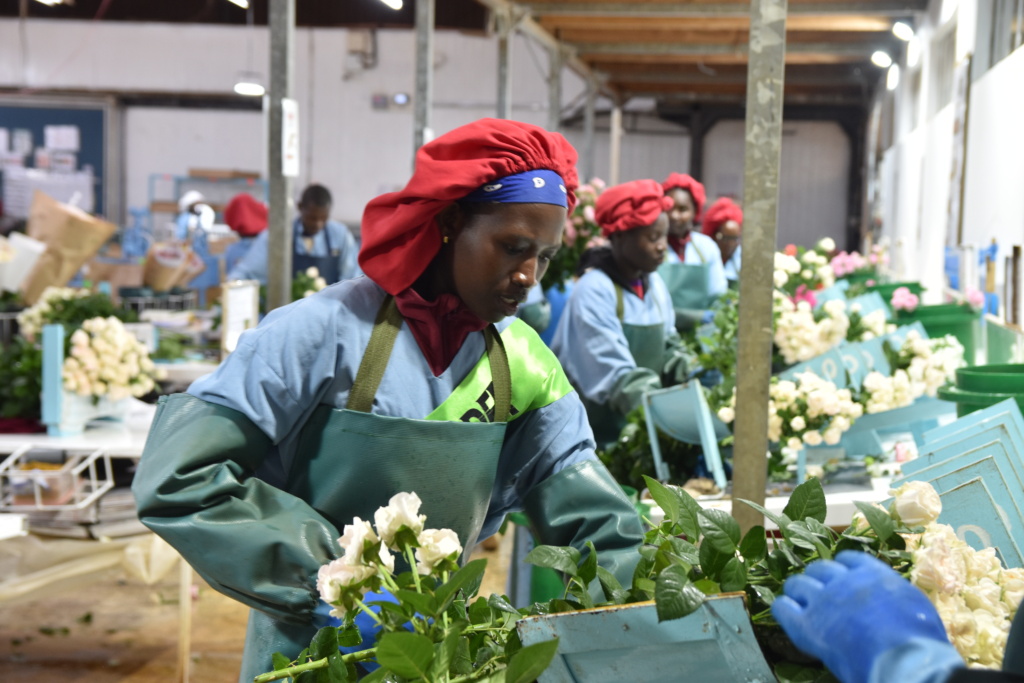
Kagwe described floriculture as far more than the production of a high value export. Behind every Kenyan flower sold thousands of kilometres from the farm is an extensive economic ecosystem involving workers, agronomists, farm managers, breeders, greenhouse and irrigation suppliers, laboratories, packaging manufacturers, transporters, freight forwarders, airlines, banks, insurers, cold chain operators and regulators.
The industry therefore has national economic significance beyond the value recorded at the point of export. According to KFC’s anniversary documentation cited in the speech, floriculture supports more than 200,000 direct jobs and millions of livelihoods.
But the CS warned that Kenya’s traditional advantages will not automatically guarantee its position in the global flower trade.
Production costs are rising, international competition is intensifying, airfreight remains expensive, geopolitical disruptions continue to threaten logistics, phytosanitary and regulatory requirements are becoming more demanding, while climate variability is increasingly affecting production. At the same time, growers are operating under pressure from shrinking margins and the rising cost of compliance.
Kenya has important advantages in climate, altitude, skills and geographical positioning, but these must now be converted into measurable commercial value.
The competitive battlefield, Kagwe noted, extends beyond the farm gate. Every unnecessary hour at an airport, every avoidable regulatory cost, every inefficient process and every additional freight cost can affect the final competitiveness of a Kenyan flower.
Sustainability moves from compliance to market access
Perhaps the biggest shift facing floriculture is the changing meaning of sustainability.
What was once largely viewed as an environmental or corporate responsibility issue has become intertwined with market access, finance, regulation and reputation.
International buyers are increasingly interested not only in flower colour, freshness, stem length and vase life, but also in how the flower was produced. Water consumption, worker welfare, crop protection management, biodiversity, emissions and supply chain transparency are increasingly part of the purchasing equation.
For Kenya, this presents both a challenge and an opportunity.
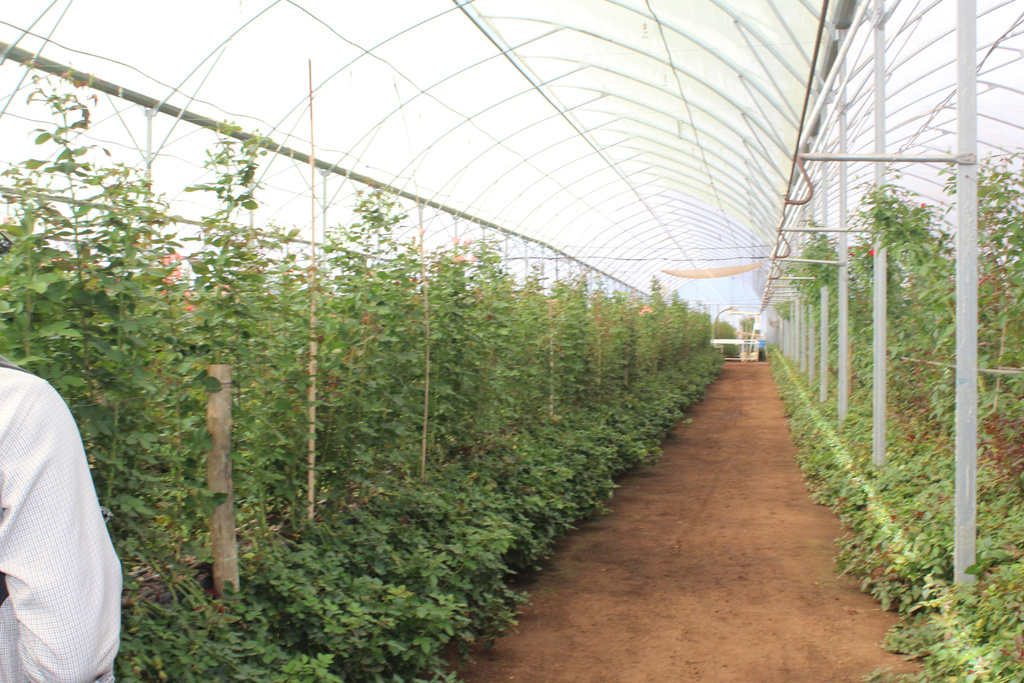
The industry can treat sustainability requirements as another layer of compliance and cost, or use its existing investments in water stewardship, integrated pest management, renewable energy, worker welfare, occupational safety, waste management and biodiversity as a point of differentiation.
Kagwe urged the industry to pursue the latter approach.
The Flowers and Ornamentals Sustainability Standard, or FOSS, was highlighted as an important mechanism in this transition. Rather than viewing certification merely as a certificate, the speech positioned it as a framework for continuous improvement, market access, trust and competitive advantage.
The bigger question for Kenyan growers is therefore no longer simply whether they can meet sustainability requirements, but whether they can turn credible sustainability performance into commercial value.
Logistics could determine the next chapter
For a perishable product, competitiveness is inseparable from time. A flower begins losing commercial life immediately after harvest, making cold chain performance, cargo capacity, freight costs, airport procedures and border processes critical to the value of the product delivered to the buyer.
Kagwe called for stronger cooperation between growers, airlines, freight forwarders, airports, regulators and Government to make logistics more efficient and reliable.

He also pointed to sea freight as part of a more diversified logistics strategy. While it cannot replace airfreight, he said, commercially viable sea freight could provide additional resilience, reduce emissions and lessen dependence on aviation for suitable products.
The message is significant for an industry whose business model has historically depended heavily on fast air transport. Diversification of logistics is increasingly becoming a question of resilience rather than simply cost.
Government must become an enabler
The speech also placed responsibility on Government to address the costs and inefficiencies that can weaken the industry’s international position.
Government, Kagwe said, should not run flower farms, but should create a predictable and efficient environment in which growers and exporters can compete.
That includes reducing regulatory duplication, strengthening phytosanitary systems, facilitating trade, improving logistics, supporting innovation and avoiding unnecessary costs.
Where challenges involve taxation, aviation, transport, trade, infrastructure or international negotiations, the CS called for a whole of Government approach so that exporters experience Government as one system rather than a collection of disconnected institutions.
For growers, this is one of the industry’s longstanding frustrations: competitiveness is determined not only by what happens inside the greenhouse, but also by what happens between the farm, airport, border and final market.
New markets, new products and a stronger Kenyan story
Kagwe also called for Kenya to protect its established European markets while expanding into the Middle East, Asia and other emerging destinations.
Market diversification, however, should go beyond simply finding new buyers. The country must strengthen value addition, branding and product diversification while communicating the story behind Kenyan flowers.
The proposition, according to the CS, should encompass quality, reliability, sustainability, innovation, people and trust.
This could become increasingly important as consumers and buyers pay greater attention to product origin and production practices. Kenya therefore needs to communicate not just what it grows, but how it grows it and the economic and social value generated along the chain.
Climate resilience becomes business resilience
Climate change is no longer a distant environmental concern for floriculture. Irregular rainfall, drought, flooding and changing pest and disease patterns are already affecting agricultural production, while competition for water is becoming more intense.
For flower farms, Kagwe argued, climate resilience is ultimately business continuity. The future will require greater water efficiency per stem, increased rainwater harvesting and recycling, healthier soils, renewable energy, precision irrigation, climate smart greenhouses and stronger weather and pest intelligence.
But resilience cannot stop at the farm boundary. Roads, airports, cold chains and other infrastructure must also withstand increasingly unpredictable weather if Kenya is to maintain reliable movement of perishable exports.
Technology will reshape the flower farm
The next generation of Kenyan floriculture is also expected to be considerably more technology intensive.
Sensors are already changing irrigation management, automation is transforming greenhouse operations, artificial intelligence is beginning to support forecasting, while digital platforms are strengthening traceability and sustainability reporting. Kagwe challenged Kenya not to become a late adopter.
The industry of the future will require agronomists to work alongside data scientists, engineers and technology specialists. Universities, TVET institutions, research organisations and businesses will therefore need to prepare a workforce capable of operating an increasingly sophisticated agricultural sector.
Women and young people will be central to that transition, not only as workers but increasingly in technical, managerial, entrepreneurial and leadership positions.
What will Kenya celebrate in 2056?
Perhaps the most important question arising from the KFC@30 celebrations is not what the industry has achieved during its first 30 years, but what it wants to become over the next 30.
Kagwe painted a picture of an industry with diversified markets, greater value addition, lower water and carbon footprints, increased use of renewable energy and precision agriculture, more efficient sea freight, stronger Kenyan flower brands and greater participation by smaller growers in high value markets.
The ultimate objective, however, is not to become the cheapest producer. It is to build an industry whose competitiveness rests on reliability, quality, sustainability, innovation and trust.
That transformation will require growers, Government, researchers, development partners, buyers, financiers, logistics providers and other actors across the value chain to move in the same direction.
For Kenya’s flower industry, the first 30 years established the foundation. The next 30 will determine whether that foundation can support a more resilient and globally competitive industry.
As Kagwe put it in his closing message, the Kenyan flower must come to represent more than beauty. It must embody quality, decent work, environmental responsibility, innovation, resilience and trust.
The challenge now is to ensure that those qualities are not simply part of Kenya’s flower story, but part of the commercial value attached to every stem leaving the country.