
International conservation and animal welfare groups say a 12-month suspension of wildlife imports is insufficient, calling for permanent restrictions, independent oversight and greater investment in protecting endangered species in their countries of origin.
Twenty-seven international wildlife conservation and animal welfare organisations have called on India’s Vantara wildlife facility to permanently end its imports of wild animals, warning that its temporary suspension leaves unresolved concerns about international wildlife trade, animal welfare and the protection of endangered species.
The demand follows growing international scrutiny of Vantara, which, according to the organisations, imported more than 60,000 live animals representing approximately 2,000 species over four years. The scale of those imports has raised questions about the origins of animals, the verification of captive-breeding claims and the potential consequences for threatened wildlife populations.
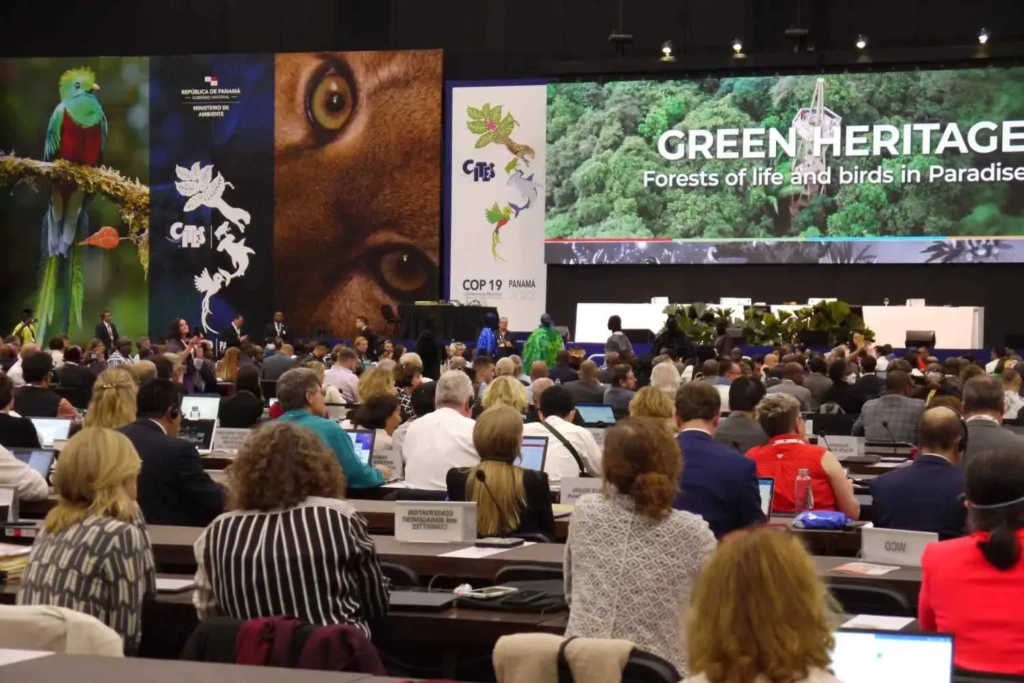
Among the organisations involved are Pro Wildlife, the Animal Welfare Institute and the Pan African Sanctuary Alliance. Their intervention comes ahead of a November meeting of the Convention on International Trade in Endangered Species of Wild Fauna and Flora (CITES) Standing Committee in Geneva, where India’s response to concerns surrounding Vantara is expected to receive further scrutiny.
Why a Temporary Ban Is Not Enough
Vantara announced its voluntary commitments on August 19, following scrutiny by CITES and criticism from conservation organisations and journalists. Its 12-month moratorium took effect on June 5, 2026, the date it says it last received an animal from abroad. The facility has withdrawn pending import applications and pledged not to submit new ones before June 5, 2027.
The organisations also want Vantara to eliminate financial incentives associated with animal acquisitions, including indirect payments or donations that could encourage wildlife capture or the misrepresentation of wild-caught animals as rescued or captive-bred.
Their demands extend to establishing clear criteria for legitimate rescues, adopting a non-breeding policy and ending commercial exchanges or acquisitions intended for public display. They also call for a publicly accessible inventory documenting every animal’s origin, transfers, births and deaths, subject to independent expert review.
Vantara has already announced restrictions that would permanently prohibit imports of great apes, big cats and CITES Appendix I species directly from their natural range countries, including captive-bred animals. It has also committed to restrictions on re-exports, although limited welfare-related exceptions remain.
In its August submission to India’s CITES Management Authority, Vantara outlined a three-stage approval process involving a CITES Due Diligence Committee, an Advisory Board and a Governing Council chaired by former CITES Secretary-General John E. Scanlon. Any future import application would require approval through this structure and India’s wildlife authorities.
Protecting Wildlife Where It Belongs
Beyond import restrictions, the organisations are urging Vantara to redirect its resources towards conservation in animals’ countries of origin, including supporting independent rescue centres, wildlife authorities and efforts to return suitable animals to their native habitats.
This demand has particular relevance for African countries, where conservation institutions frequently confront the combined challenges of habitat loss, human-wildlife conflict, illegal trade and inadequate funding.
Vantara has acknowledged the importance of protecting animals within their natural habitats. Its August statement announced plans for a dedicated international conservation fund, veterinary support and partnerships with wildlife authorities in countries of origin.
Vivaan Karani, Vantara’s chief executive, explained the facility’s changing approach, saying, “Wherever animals can be effectively supported in their own countries, we increasingly believe our resources should travel rather than the animals.”
Vantara has cited engagements in countries including the Democratic Republic of the Congo and Zimbabwe. In the DRC, it says it has offered to support the establishment of a wildlife hospital and strengthen government zoological institutions.
Such initiatives could strengthen conservation capacity within countries of origin, although their effectiveness will depend on implementation, independent oversight and cooperation with local institutions.
The coalition is also seeking safeguards against conflicts of interest within Vantara’s governance structures and stronger protections for civil society organisations, journalists and whistleblowers investigating wildlife trade.
Attention now turns to Geneva, where the 81st CITES Standing Committee meeting is scheduled for November 2–6. The committee is expected to consider India’s response to a September 2025 verification mission that raised concerns about Vantara’s extensive imports of protected species and possible regulatory violations.
Vantara maintains that its previous imports complied with applicable legal requirements and that its new commitments establish stronger safeguards for future operations.
The November meeting will provide an important opportunity to examine India’s response and the implementation of measures announced by Vantara.
For the 27 organisations, however, the objective extends beyond regulatory compliance. Their demand is for a lasting change in international wildlife conservation, where resources are increasingly directed towards protecting endangered animals and their habitats in the countries where they naturally occur.


