
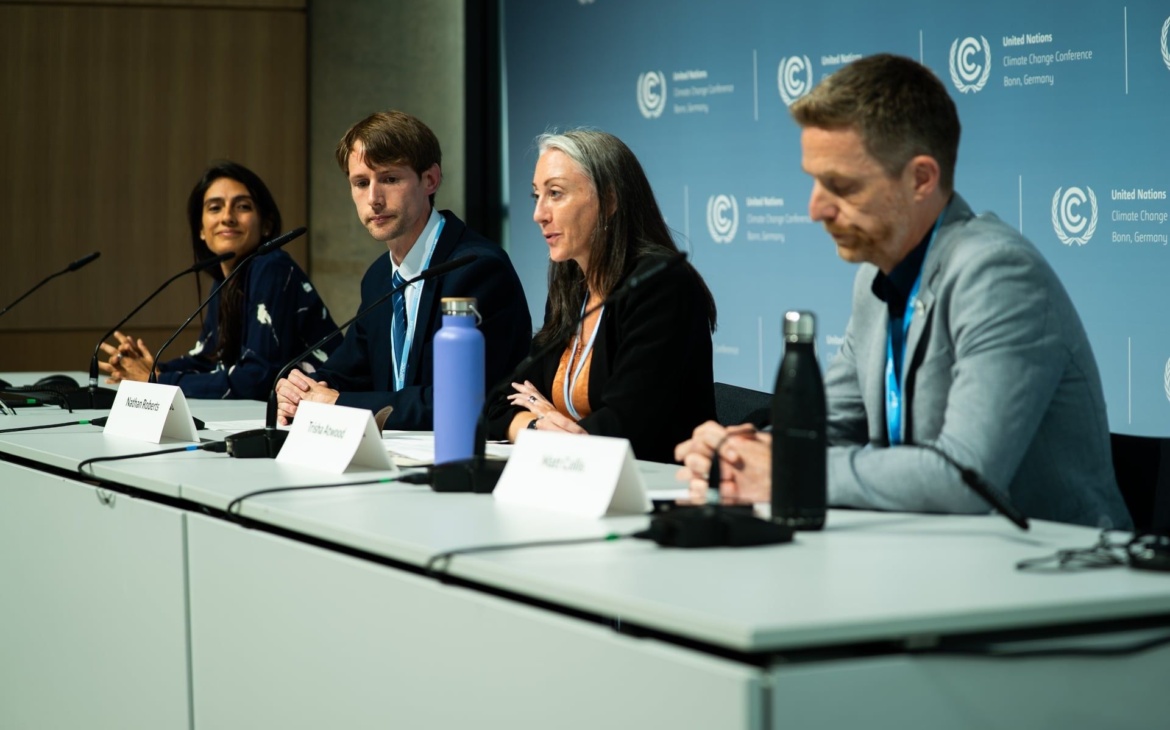
For the first time, 287 scientists from six continents have united behind a Scientific Consensus on Wildlife and Climate, urging governments to explicitly recognize wild animals and their ecological functions in climate policies and frameworks.
The consensus was unveiled during a press conference held alongside the 64th Session of the UNFCCC Subsidiary Bodies (SB64) in Bonn, Germany, where negotiators are meeting to advance discussions ahead of the next round of global climate negotiations.
The scientists argue that wildlife plays a critical yet often overlooked role in climate mitigation, adaptation, and ecosystem resilience. They say climate policies have largely focused on habitats and ecosystems while failing to adequately recognize the contribution of wild animals in maintaining these systems.
Experts in conservation, animal welfare, and climate science have long highlighted the role of wildlife in supporting healthy ecosystems. However, this marks the first time such a broad and multidisciplinary group of scientists has agreed on a common scientific position outlining how animals contribute to climate-related ecological processes.
The consensus comes amid growing momentum for a Wildlife for Climate Declaration, an initiative being championed by African leaders to elevate wildlife protection within global climate action. Supporters argue that conserving wildlife represents a cost-effective, nature-based solution that can simultaneously address biodiversity loss and climate change.
According to the consensus, wild animals act as important “climate allies” through natural behaviours such as grazing, migration, predation, seed dispersal and nutrient cycling. These activities help ecosystems function effectively, enhance resilience, and contribute to carbon storage and sequestration.
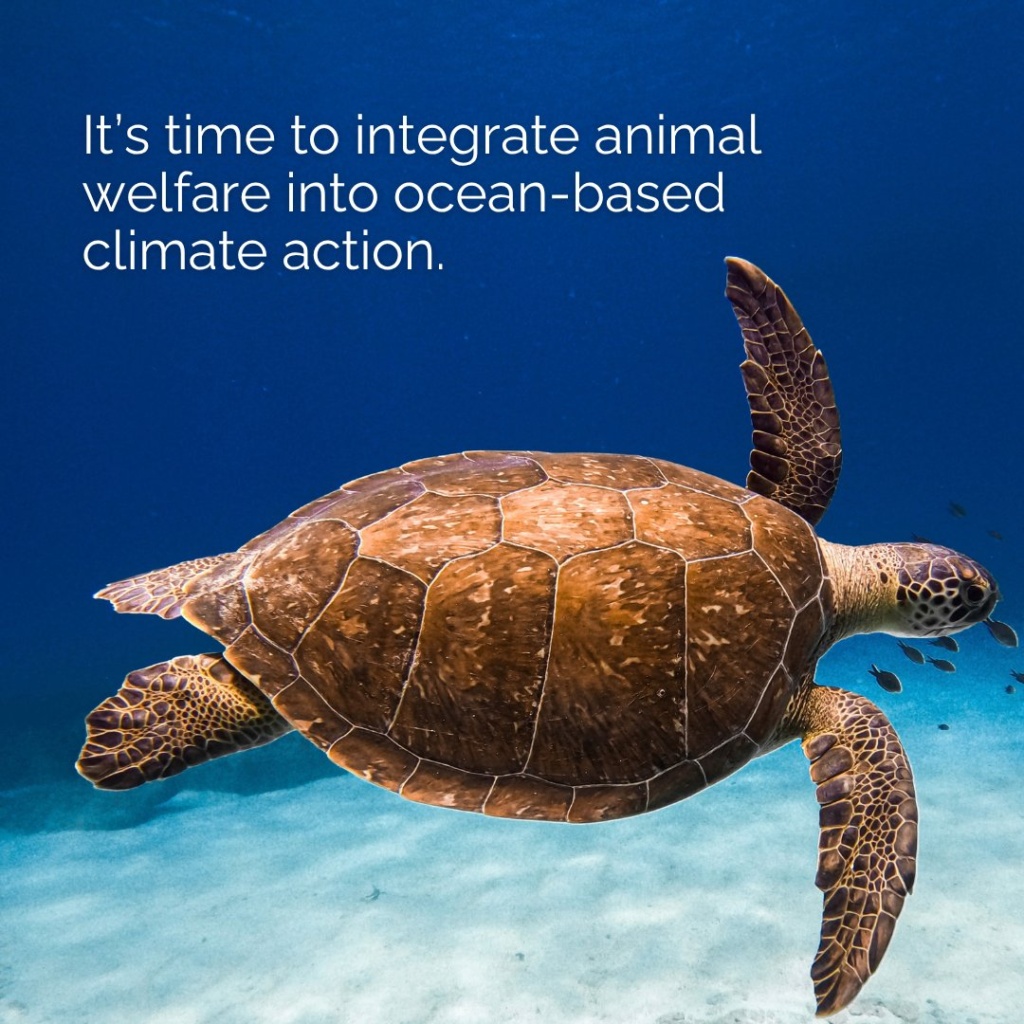
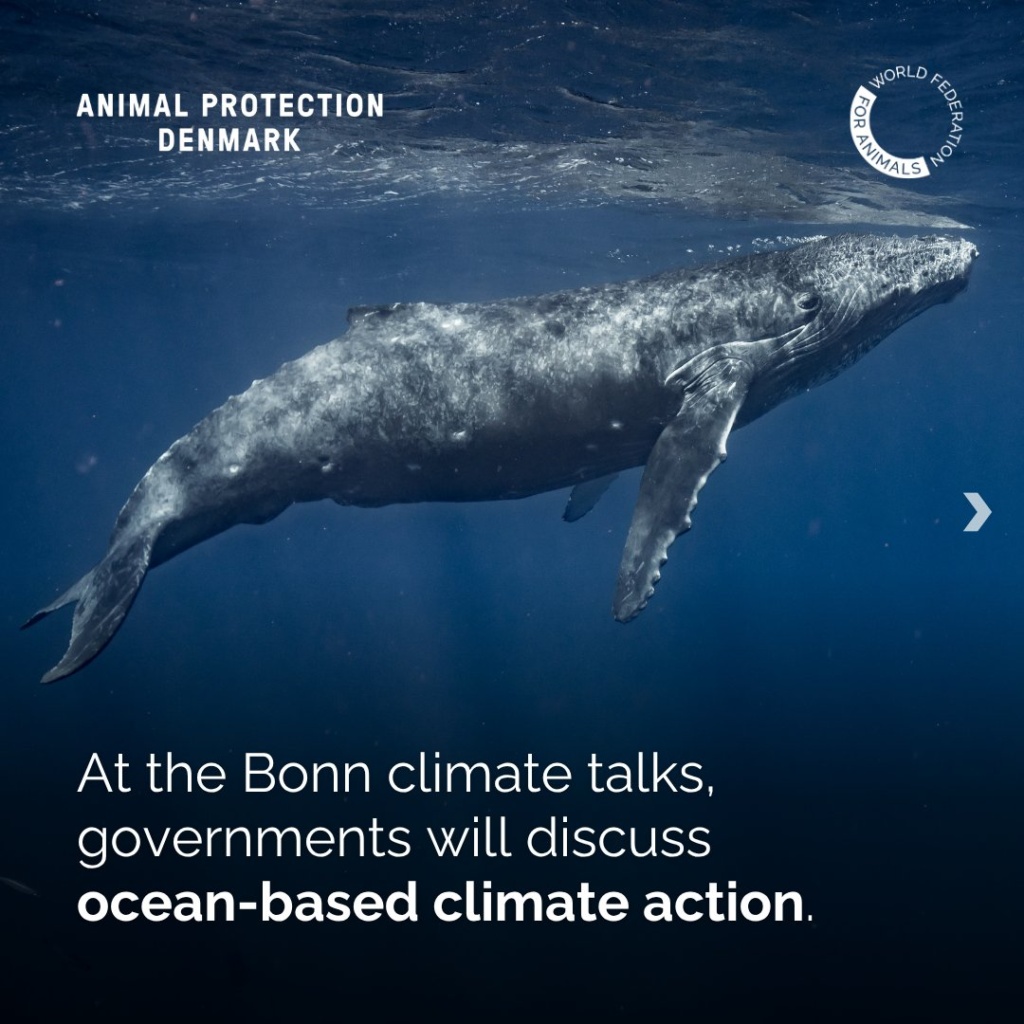
Examples highlighted by scientists include fish that transport carbon from surface waters to the deep ocean, forest elephants that disperse the seeds of carbon-dense trees, and grazing bison that stimulate plant growth and improve nutrient recycling.
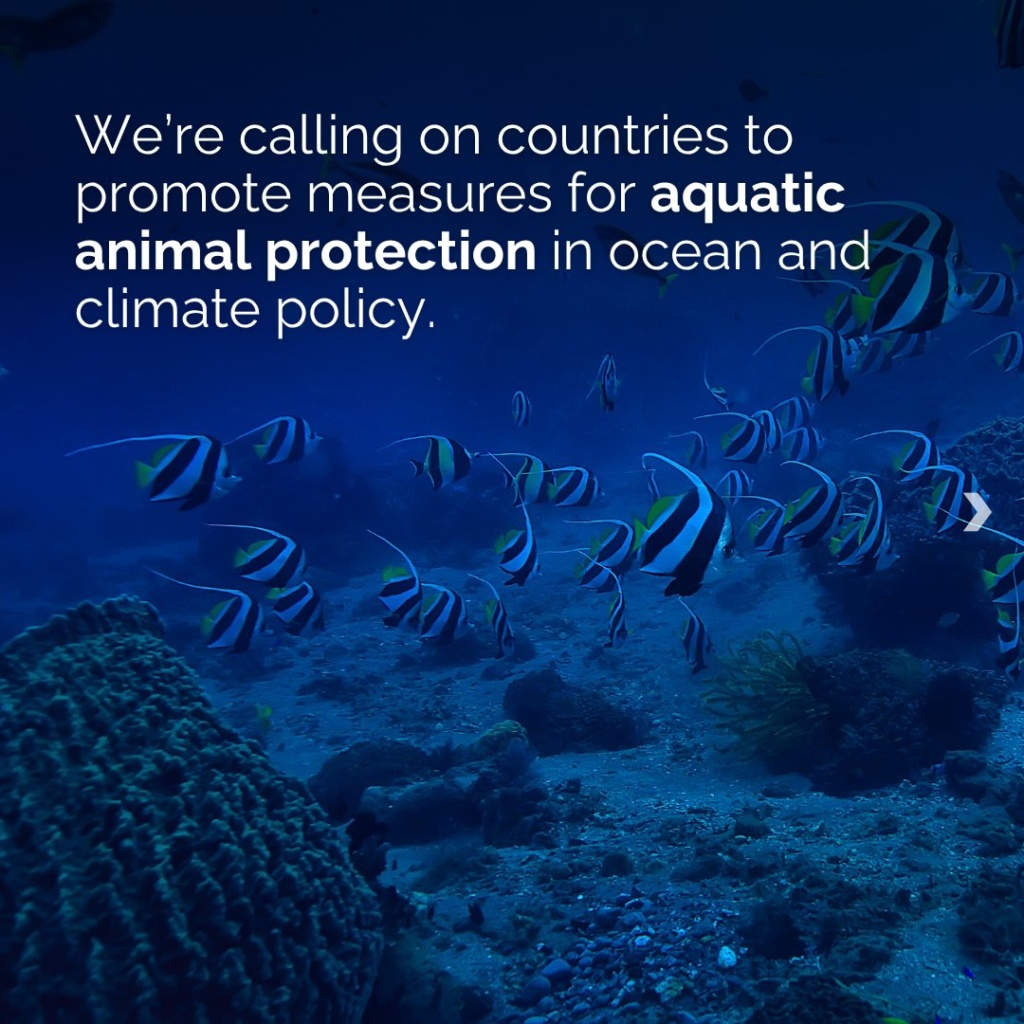
The growing body of evidence supporting wildlife’s climate role is substantial. A 2023 study published in Nature Climate Change and led by researchers at Yale University estimated that restoring wild animal populations and their ecological functions could increase carbon dioxide uptake by an additional 6.41 gigatonnes annually.
Researchers say this additional carbon uptake could help bridge the gap between the emissions reductions required to keep global warming below 1.5°C and what conventional nature-based solutions are currently expected to deliver.
Despite this evidence, wildlife remains largely absent from climate policy frameworks. While the role of animals has received recognition under agreements such as the Convention on Biological Diversity, the Convention on the Conservation of Migratory Species of Wild Animals, and initiatives supported by the International Union for Conservation of Nature, scientists argue that stronger recognition within the UN climate process is needed.
The Scientific Consensus on Wildlife and Climate was developed through a structured and transparent process involving academics from around the world. The scientists concluded that animals positively influence climate-related ecological processes through their natural behaviours and that these functions are essential to carbon storage, ecosystem regeneration and ecological stability.
They further noted that assessing nature-based climate solutions without considering the role of wildlife provides an incomplete picture of how ecosystems operate and respond to climate change.
The consensus therefore calls on governments to explicitly account for wild animals and their ecological functions in climate planning, biodiversity strategies and climate action frameworks.
Ed Goodall, Climate Policy Specialist at the World Federation for Animals, said the consensus reflects growing scientific agreement that wildlife plays a significant role in ecosystem processes linked to climate resilience.
“The process brought together a broad spectrum of scientists and researchers and reflects clear agreement that wild animals are active participants in ecosystem processes that enhance resilience, carbon and nutrient cycling and other climate-relevant functions,” he said.
Matt Collis, Senior Director of Policy at the International Fund for Animal Welfare, said wildlife’s contribution to climate action can no longer be overlooked.
“From elephants shaping forests to marine species helping store carbon in the ocean, animals keep ecosystems healthy, resilient and functioning. Climate policy can no longer ignore wildlife, not only for the sake of biodiversity, but for the future stability of our planet,” he said.
Jens-Christian Svenning, Director of the DNRF Center for Ecological Dynamics in a Novel Biosphere at Aarhus University, Denmark, and one of the scientists involved in drafting the consensus, said evidence linking wildlife to climate-related ecosystem functions has grown significantly in recent years.
“Wild animals play important and often underappreciated roles in the Earth system, influencing carbon cycling, fire regimes and the capacity of ecosystems to adapt to climate change,” he said.
Alongside the consensus, the Wildlife and Climate website has been launched to showcase scientific evidence demonstrating how wild animals contribute to climate mitigation, adaptation and ecosystem resilience, intending to inform future policy development.
Author Profile

-
Seeker.
Inspire AFRIKA.
Latest entries
 Weather Forecasts13 October 2026Rain and Rising Temperatures Forecast Across the Greater Horn of Africa
 Climate9 October 2026Beyond Negotiations: Africa Expects Concrete Outcomes from Antalya
 Animals7 October 2026In Kajiado’s Drylands, Collective Selling of Small Herds Is Changing the Livestock Trade
 Oceans6 October 202640 Years of Ocean Cooperation: The Western Indian Ocean’s Next Test Is Implementation


