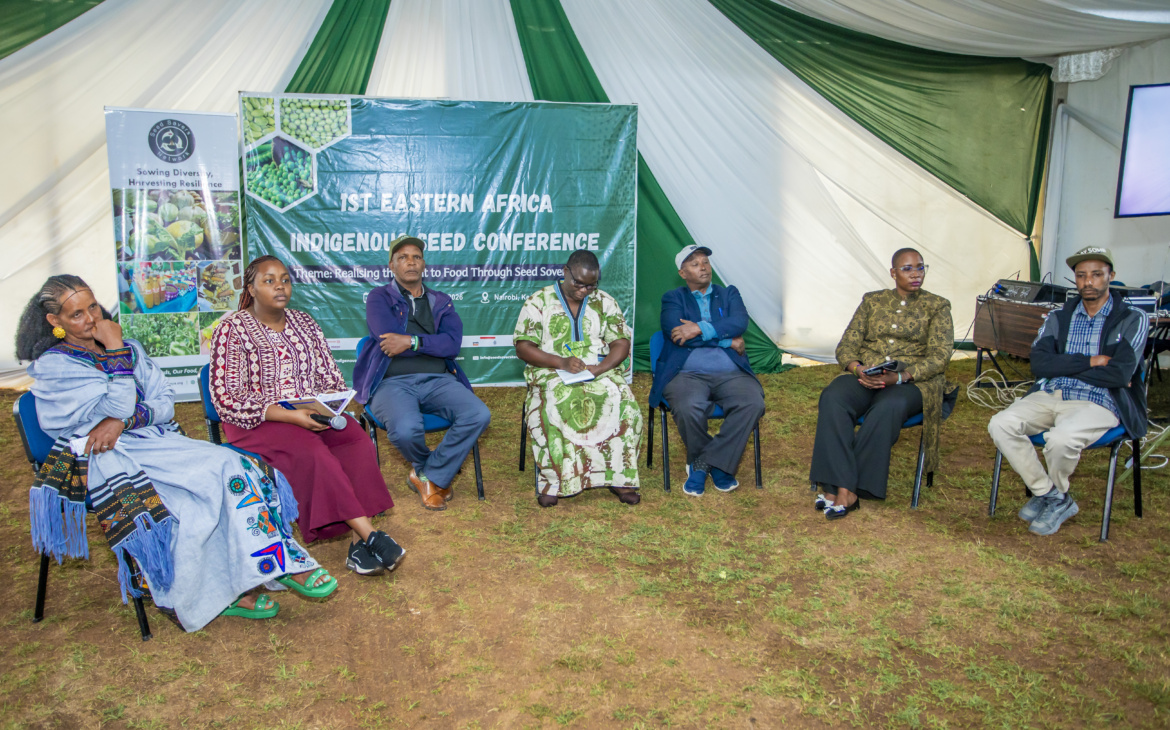
The inaugural Eastern Africa Indigenous Seeds Conference is bringing together farmers, researchers, seed custodians and policymakers to strengthen farmer-managed seed systems, protect agricultural biodiversity and recognise farmers’ rights in shaping the region’s food future.
Seeds are more than agricultural inputs considering that for millions of farming households across Eastern Africa, they are the foundation of food, livelihoods, cultural identity and agricultural knowledge passed from one generation to another.
Yet the farmers who select, preserve, exchange and improve these seeds often have limited influence over the policies and institutions shaping the region’s agricultural systems.
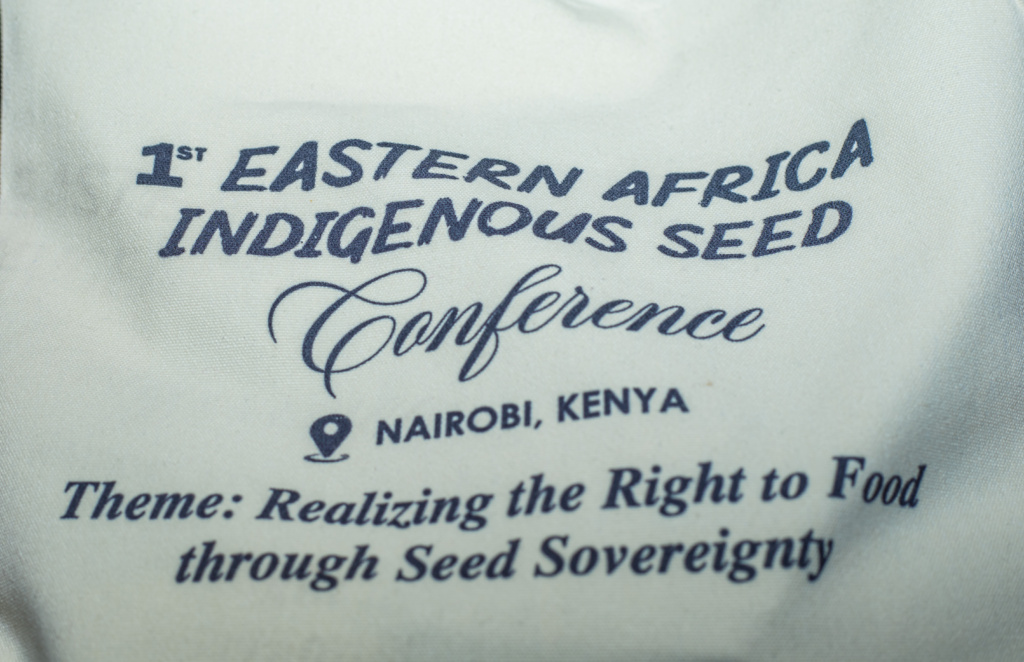
This question of recognition and participation is at the centre of the first Eastern Africa Indigenous Seeds Conference, taking place from 17 to 20 November 2026 at the Catholic University of Eastern Africa in Nairobi.
Convened by Seed Savers Network under the theme “Realizing the Right to Food through Seed Sovereignty”, the conference has brought together farmers, seed custodians, researchers, policymakers, civil society organisations and development partners to exchange experiences and discuss ways of strengthening farmer-managed seed systems.
The discussions are grounded in the understanding that farmers are not simply recipients of agricultural technologies or policies. They are custodians of seed diversity and knowledge, with practical experience that should inform decisions about the future of food production.

Farmers seek a place in decisions shaping food systems
For women farmers, in particular, the question of participation is closely tied to their control over seeds and the decisions surrounding their use.
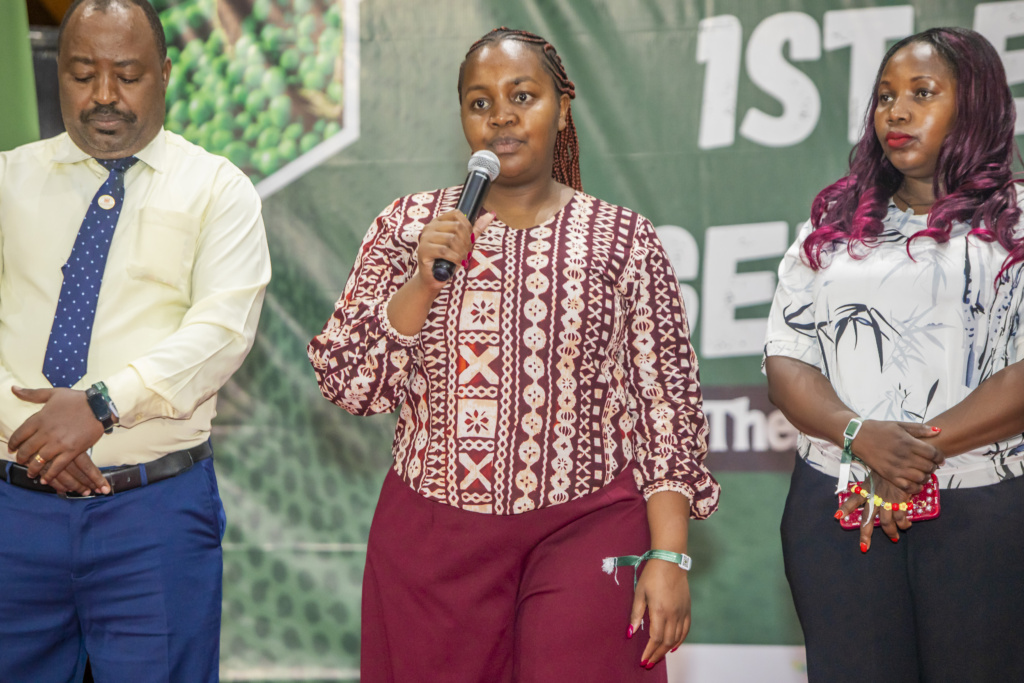
Margaret, representing a farmers’ organisation in Uganda, said women who contribute significantly to agricultural production and seed-related businesses should no longer be sidelined in decisions about what is grown and preserved.
“Women should decide what to plant, what to save and what to sell,” she said.
She also highlighted the practical value of local seeds, noting their ability to withstand drought, be stored for subsequent planting seasons and provide nutritional benefits.
Her remarks reflected a broader concern raised during the conference: that indigenous seeds should be recognised not merely for their cultural significance, but also for their contribution to food security and farmers’ ability to respond to changing conditions.
The importance of giving farmers a stronger voice in policymaking was also emphasised by conference moderator Tabby Munyiri, who argued that participation must go beyond inviting farmers to attend meetings.
“It is vital that farmers not only attend but also participate in the formulation of these policies,” she said.
She challenged government officials and other institutions to engage farmers in their communities, rather than expecting rural producers to travel to institutions and decision-making centres to have their concerns heard.
The same call for institutions to engage directly with farmers emerged from contributions by participants from Somalia. Discussing the experiences of farmers growing millet, cassava and sesame, one participant stressed that farmers’ voices must be supported through capacity building.
“Institutions should go to the farmers rather than vice versa,” the participant said.
The point speaks to a wider challenge facing farmer-managed seed systems: the gap between policy discussions and the realities of the communities expected to implement them. Without meaningful engagement, policies intended to improve agricultural production can overlook local knowledge, farming practices and the circumstances of smallholder producers.
Women’s leadership and solidarity also featured in contributions from Ethiopia. A representative of the rural women’s initiative Cultivating Change spoke about the importance of using her position to encourage other women involved in farming.
“Most importantly, as a woman, the motivation I give fellow women uplifts me,” she said.
Her contribution highlighted the role of women-led grassroots initiatives in building confidence, sharing knowledge and ensuring that rural women are represented in conversations about agriculture and food systems.
For farmers, the right to preserve and exchange seeds is also closely connected to the ability to maintain control over production. Peter Odero cautioned against systems that gradually distance farmers from the decisions and processes that sustain their livelihoods.
“Farmers should remain at the production level. Since once we go upwards, we tend to forget our place,” he said.
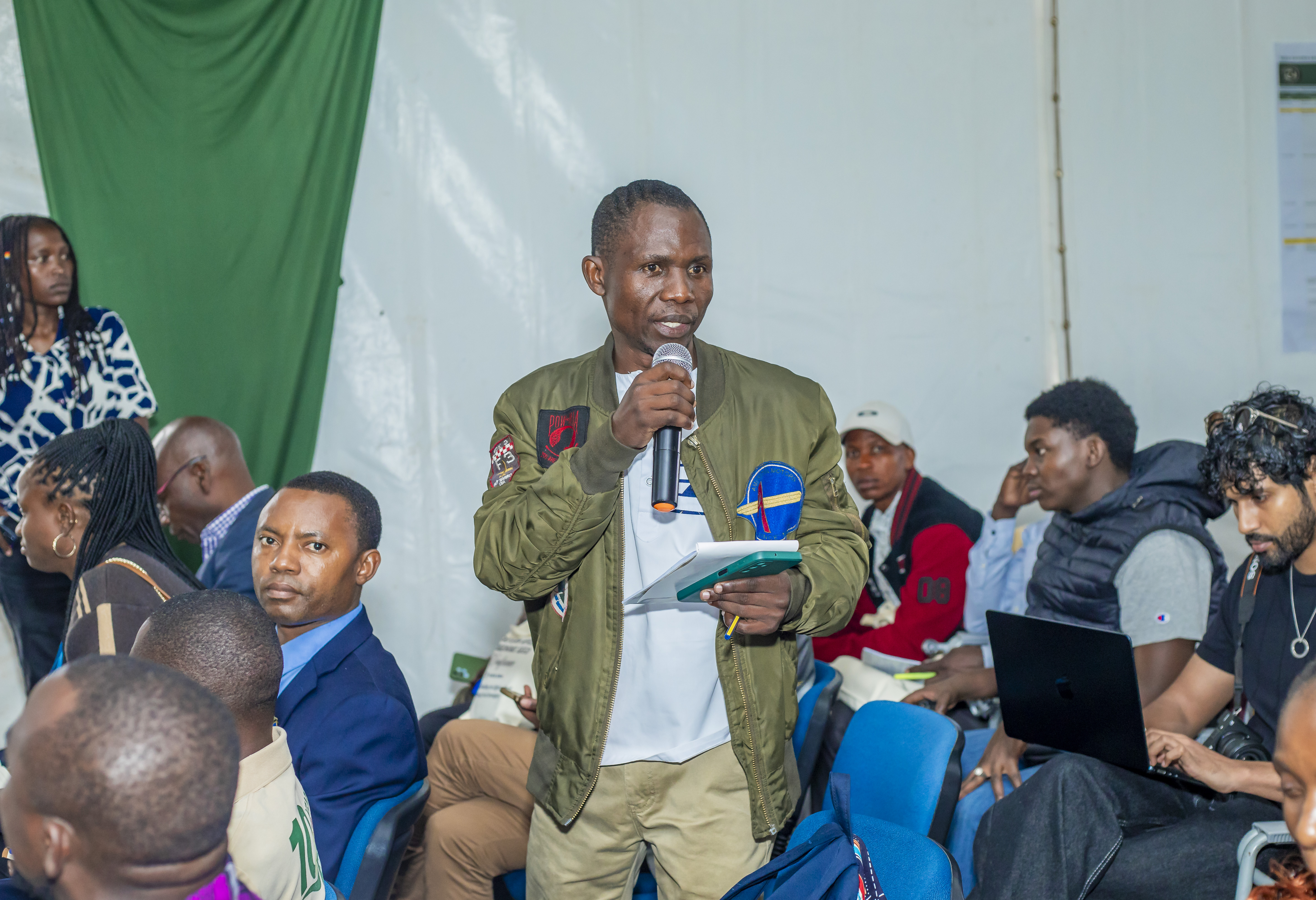
The concern was echoed by Abraham, a youth representative from ESAFF Uganda, who stressed the importance of ensuring that farmers are not excluded from decisions affecting them.
“There should be nothing for us without us,” he said.
Protecting indigenous seeds through stronger regional systems
Beyond participation, discussions also examined how community seed banks and farmer-led institutions can strengthen the availability and preservation of indigenous seeds. Participants raised questions about how farmers can make better use of existing seed banks and how these initiatives can reach beyond individual communities.
A contribution from a participant representing Tanzania called for the early categorisation of indigenous seeds to help preserve their authenticity. This points to the importance of documenting local varieties and the knowledge associated with them, while ensuring that such processes do not undermine the communities that have maintained them.
At the regional level, the proposed East African Community Seed and Plant Varieties Bill, 2025, seeks to harmonise aspects of seed registration, certification, marketing and plant breeders’ rights.
However, farmer groups and civil society organisations have raised concerns that formal regulatory systems could marginalise farmer-managed seed systems if their practices and rights are not adequately recognised.
The conference therefore provides an opportunity for participants to share experiences and examine how policies can recognise farmers’ roles in conserving, using, exchanging and improving seeds.
Mary Opiyo of PELUM Uganda emphasised the importance of ensuring that farmers understand decisions and strategies affecting them. Such awareness, alongside stronger grassroots networks, can help communities participate more effectively in policy discussions and hold institutions accountable.
The conference is also expected to strengthen regional collaboration through the establishment of a community of practice connecting farmers, seed custodians, researchers, civil society organisations and policy actors. The platform is intended to support continued knowledge exchange, collaboration and coordinated action beyond the Nairobi gathering.
Ultimately, the conversations point to a shared concern across the region: strengthening food systems requires more than developing policies and improving seed markets. It also means recognising the people who have sustained agricultural diversity through generations of knowledge, selection and preservation.
As one of the participants from Uganda put it, farmers must have a say in decisions that shape their future. For Eastern Africa’s seed systems, that recognition is central to turning the idea of seed sovereignty into practice.
Author Profile

-
Seeker.
Inspire AFRIKA.
Latest entries
 Agriculture18 November 2026Who Controls Eastern Africa Farmers Seeds? A Growing Push to Reclaim Food Sovereignty
 Agriculture17 November 2026Eastern Africa Farmers Gather in Nairobi to Advance Indigenous Seed Sovereignty
 Adaptation17 November 2026Africa Pushes for Climate Adaptation Finance as Global Resilience Commitments Face Test
 COP3116 November 2026Fossil Fuel Phase-Out Returns to COP31 Negotiating Table as Countries Clash Over Ambition