
Earlier this month, in an advisory on 3rd March, the Kenya Meteorological Department warned of heavy rainfall with the risk of flooding across the country. Due to the early warning, a functional authority would be expected to create contingencies and prepare for the impending disaster.
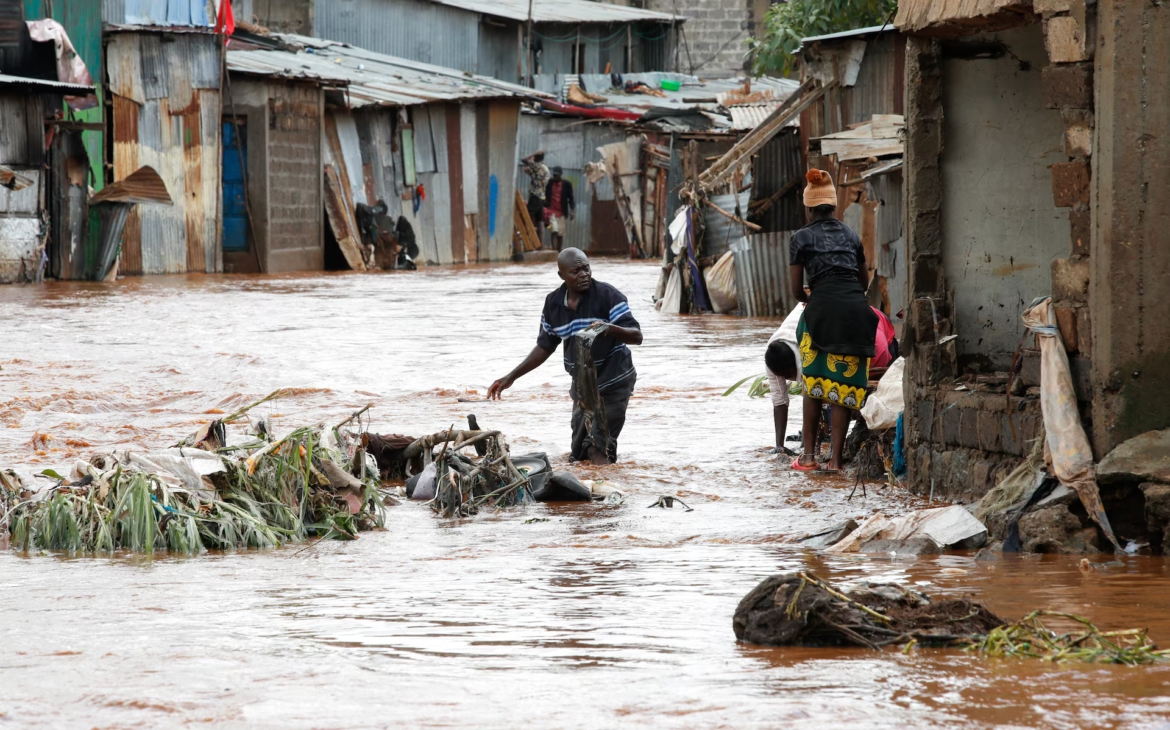
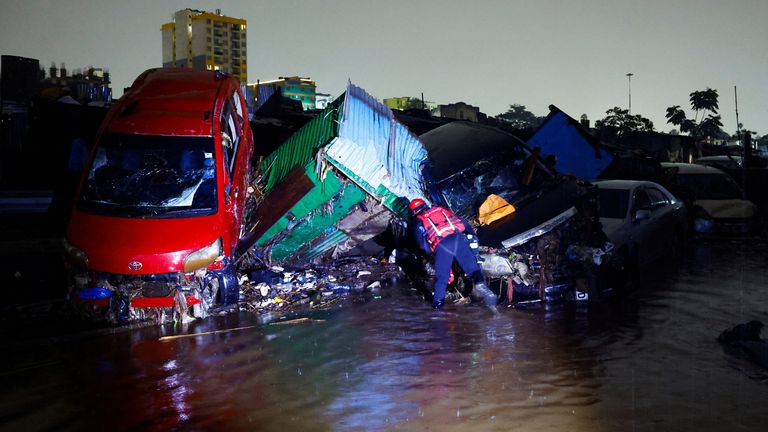
However, more than 40 people tragically lost their lives from the floods that rocked Nairobi and various parts of Kenya since the 6th. According to the statement by the Civil Society Organizations, fatalities are from the capital, Nairobi, alone, and scores of people are still unaccounted for. 50,000 others have been displaced after floodwaters either destroyed or submerged their homes.
The Resilience Action Network Africa (RANA) expressed concern, highlighting that the floods reveal long-standing failures and system flaws in urban planning, drainage infrastructure, and emergency preparedness that have left communities dangerously exposed to predictable impacts of the changing climate.
According to Aggrey Aluso, Executive Director of RANA, while the unfortunate flooding witnessed in Nairobi and other parts of Kenya on Friday evening is the reality of African communities that are on the frontline of the impacts of climate change, it is the systemic failure of the government that has led to the needless loss of life, livelihoods, and property.
“With the availability of scientific predictive models, governments should be able to anticipate and prepare for such eventualities,” he said.
He emphasized that failure to prepare for these eventualities shifts the burden of responsibility to the most vulnerable who have the least ability to respond effectively, further undermining their resilience capacity.
While there have been efforts to expand the existing drainage system, this has largely been outpaced by the rapidly growing population in the sprawling metropolis, with most parts of the city being either underserved by the drainage system or being without any at all.
Moreover, Nairobi is notorious for the encroachment of riverine areas, with some neighborhoods built entirely on riparian land. These become flood flashpoints during the rainy season.
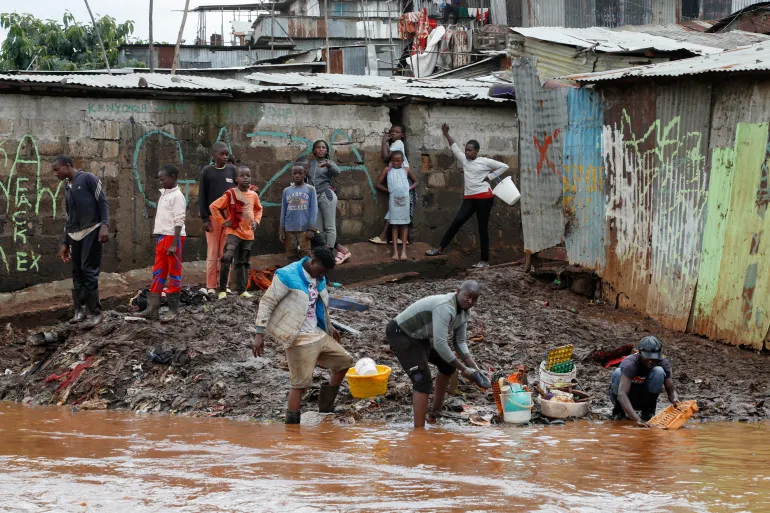
Statistics show that 70 percent of the city’s residents occupy just 5 percent of its land. According to RANA, the rule of planners, lawyers, and architects has too often produced exclusion rather than safety.
Today, roughly half of Nairobi’s informal settlements sit on private land that was once public, 40 percent on riparian reserves, and only 10 percent on uncontested public land.
Patrick Ochieng, Executive Director, Ujamaa Centre, highlighted that Weak oversight in the physical planning process allows unsafe developments to expand while critical infrastructure, such as solid waste management, remains inadequate.
To emphasize the disparity, Dan Owala, National Coordinator, People’s Health Movement Kenya, said that when governments fail to build anticipatory and disaster preparedness systems, these disasters will become more frequent, and the damage more widespread.
“The loss of life and destruction of property following recent floods exposed long-standing flaws in urban planning, drainage infrastructure, and emergency preparedness,” he said.
Moreover, Easter Achieng, Executive Director of the Kenya Female Advisory Organisation, highlighted that extreme weather is intensifying across Africa, placing rapidly growing cities like Nairobi on a tightrope.
“We must come to a sober realization that the drainage systems and infrastructure built for past rainfall patterns can no longer cope with the intensity and frequency of weather patterns we are seeing now,” she said, adding that strengthening urban resilience and effective early warning systems must be treated as a matter of urgency.
Flood disasters are rarely acts of nature alone. They are a reflection of choices and decisions on land use, infrastructure access, and whose safety receives priority.
Consequently, extreme weather combined with rapid urbanization will continue to test urban systems. Communities that have contributed the least to global climate change face the greatest exposure to its consequences.
Therefore, urgent reforms are needed to safeguard communities that have been dangerously exposed to the predictable impacts of the changing climate.
Read Also: Is Unplanned Urbanization Increasing the Dangers of Floods in Cities
Author Profile

- How can we learn if we don't question?
Latest entries
 Events12 October 2026Cybersecurity in the Floriculture Industry
 Opinion & Analysis8 October 2026Why Africa Must Look to What Already Exists in Its Blue Economy
 Agriculture5 October 2026The Search for a Smarter Way to Feed Crops
 Events30 September 2026The Goat, the Market and the Dryland: Heifer International’s Push for Livestock Resilience


