
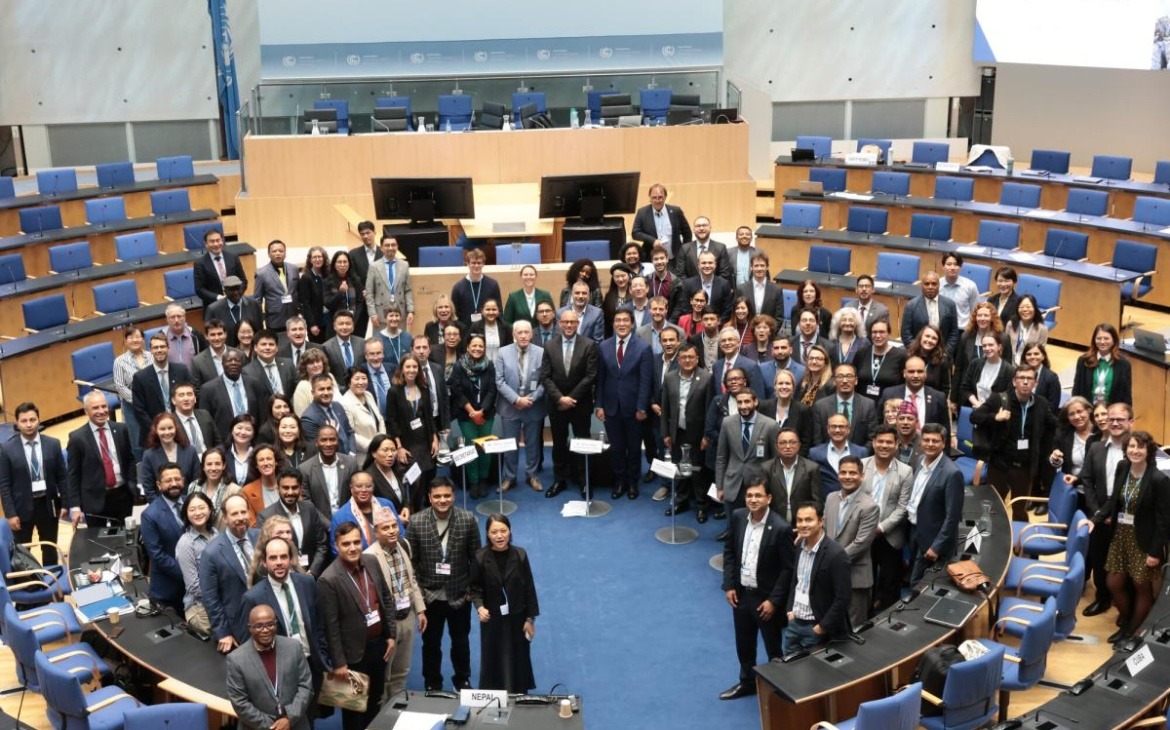
As delegates meet in Bonn for the UN climate talks (SB62), civil society from around the world is calling for a shift toward fairness, equity, and accountability. With COP30 in Belém on the horizon, these talks are a chance to restore the trust that was lost at COP29 in Baku, where nations failed to agree on a credible climate finance goal.
The climate process is under pressure as the climate crisis keeps pounding the global space with devastating losses. Many vulnerable countries left Baku disappointed after the renowned finance cop failed to offer a way forward past finance pledges and real financing that trickles to meet action on the ground.
The global trust in the United Nations Framework Convention on Climate Change (UNFCCC) is wearing thin as the world faces overlapping crises, from war and inequality to rising temperatures and extreme weather, with little action taken.
Yet, despite the worsening climate impacts, political will remains weak, especially from the biggest polluters. However, there is still hope with some of the climate leaders like Al Gore, the former US vice president, emphasizing that even political will itself is achievable and the time to make that change is now, not tomorrow.
Climate Action Network (CAN) has shared key expectations for SB62, urging a move from elite-led negotiations to people-centred decisions. The road to COP30 must prioritize justice, clear climate finance commitments, and genuine support for those most affected by the climate crisis.
This month, with Bonn climate talks are a significant moment that brings three major events: the G7 Summit, SB62, and the Financing for Development Conference.
Together, they reflect how broken systems, from debt to unfair trade rules, are holding back climate action. Civil society groups warn that unless these financial structures are fixed, climate goals will stay out of reach.
Tasneem Essop, Director of CAN International, noted that justice should not be an afterthought and the Bonn climate talks need to assure the people that and remember their instrumental role in guiding every step toward COP30.
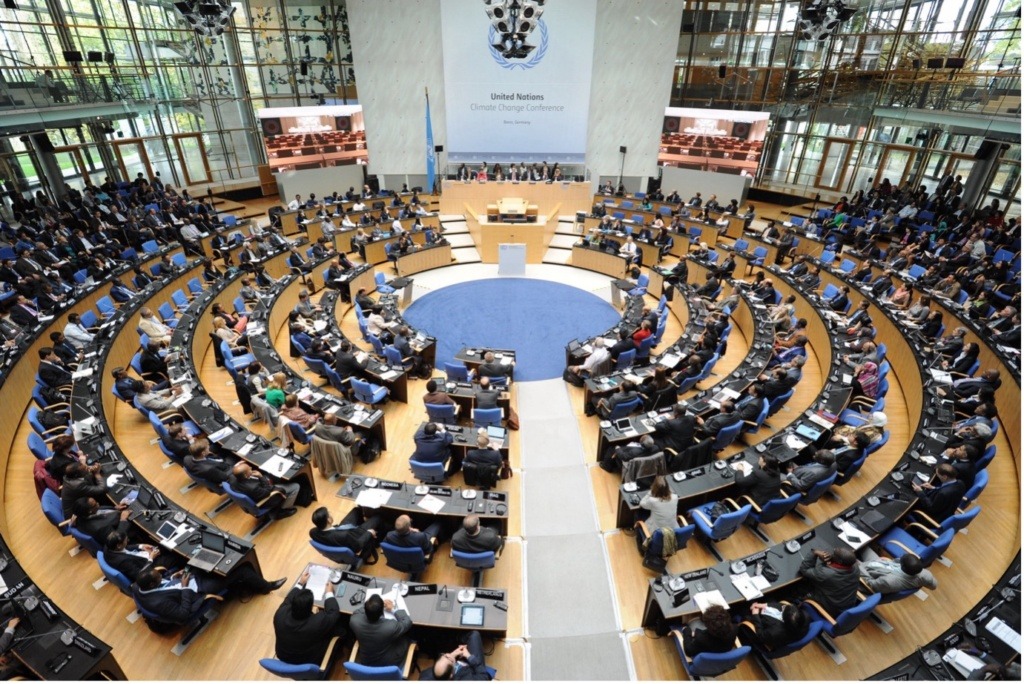
What Civil Society Is Calling For at Bonn
1. Just Transition Rooted in Rights
A fair shift to green economies must protect human rights, labour, and Indigenous communities. It should guarantee inclusion, debt-free finance, and access to clean technology. Proposals like the Belém Action Mechanism aim to support these transitions at both local and national levels.
2. Real Support for Climate-Impacted Communities
Communities facing floods, droughts, and displacement need action now. SB62 must deliver a clear plan for adaptation and Loss and Damage funding that is fair, fast, and fully resourced.
3. Fixing Climate Finance
To meet global climate goals, public finance must shift from fossil fuels to sustainable solutions. That means ending subsidies, taxing big polluters, and linking debt relief with climate justice. The focus must be on public, transparent, and grant-based funding, not offsets or vague pledges.
Broader Priorities at SB62
Other key areas include pushing countries to submit stronger national climate plans (NDCs) by September, speeding up fossil fuel phase-out, supporting sustainable agriculture, and protecting civic space and human rights in climate talks.
As Jacobo Ocharan of CAN International puts it, “Justice is the thread that connects everything. Without it, the climate process risks losing its credibility.”
Author Profile

-
Seeker.
Inspire AFRIKA.
Latest entries
 Corporate15 October 2026Water, Sanitation and Digital Learning at the Centre of Garissa School Upgrade
 Agriculture14 October 2026Africa’s Food Systems Future Depends on Listening to Farmers
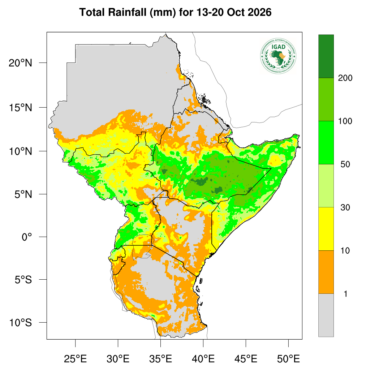 Weather Forecasts13 October 2026Rain and Rising Temperatures Forecast Across the Greater Horn of Africa
 Climate9 October 2026Beyond Negotiations: Africa Expects Concrete Outcomes from Antalya


