
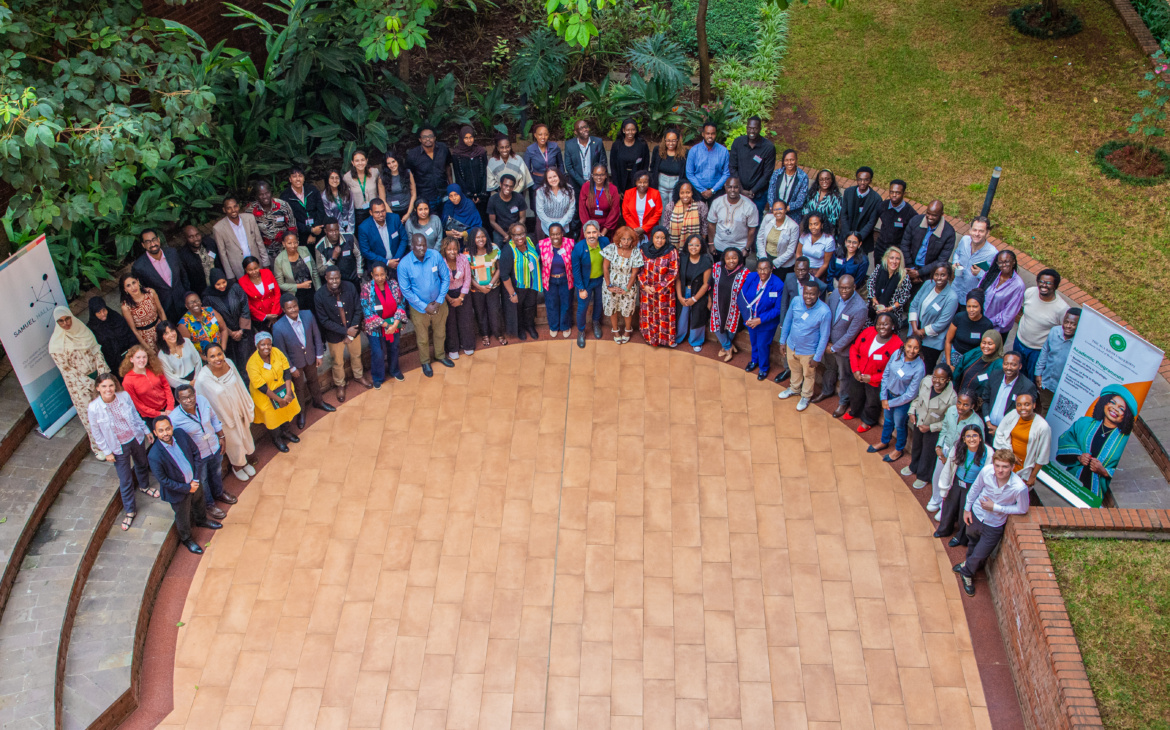
At Aga Khan University in Nairobi, a conversation on climate change began not with emissions targets or adaptation financing, but with a poem about motherhood, vulnerability and violence. The discussion convened by Samuel Hall, the Aga Khan University’s Graduate School of Media and Communications (AKU-GMC), and the Local Leadership East African Return and Reintegration Network (LLEARN) was filled with insights on the gaps in implementation, whereas good policies exist.
“What massacre happens to my son?” lecturer and moderator Dr. Sanaa Alimia recited from African poet Nayyirah Waheed. “Between him living within my skin, drinking my cells, my water, my organs and his soft psyche turning cruel.”
The poem, she explained, was meant to frame a deeper conversation about women’s health, displacement and climate crisis.
“What we will be hearing about today,” she said, “is related to women’s health, from reproductive health to maternal health, from giving birth, from losing a child, from infertility, from stillbirth to postpartum care and the implications that this has on both the woman and child in contexts of climate crisis, conflict and protracted refugee displacement.”
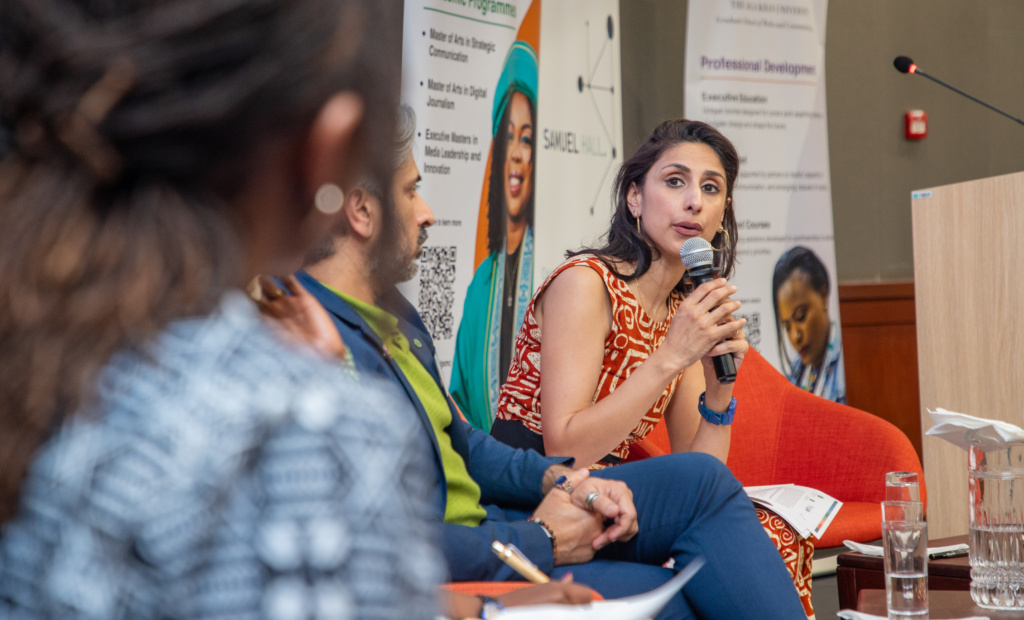
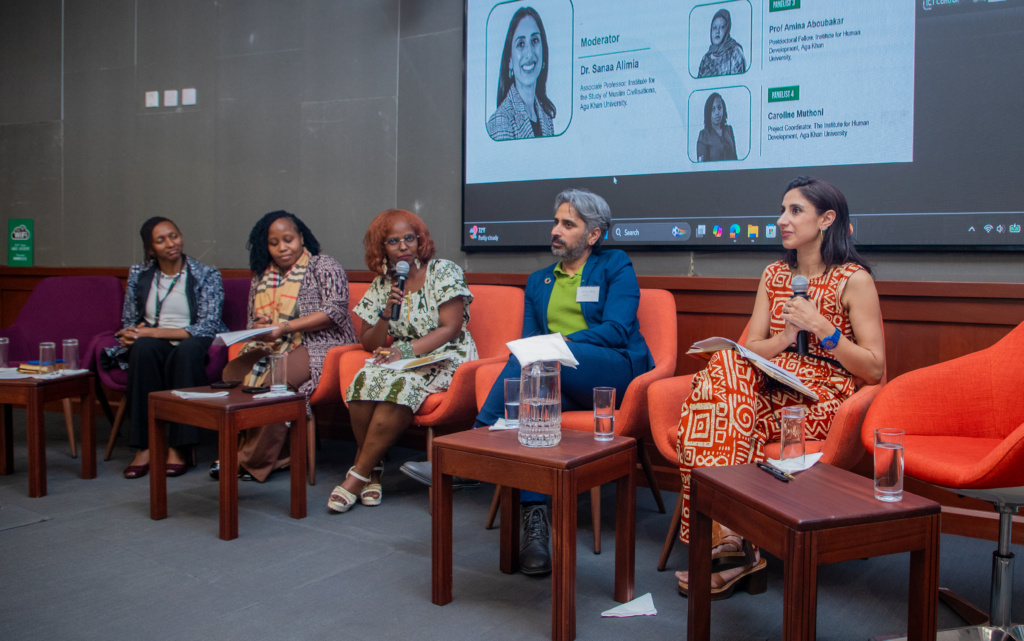
The 2026 Annual Lecture hosted by Samuel Hall and Aga Khan University’s Graduate School of Media and Communications brought together health scientists, refugee advocates, policy experts and researchers under the theme Climate Change as Lived Experience: Women’s Health, Bodies and Displacement.
Across the evening, one message became increasingly clear: climate change is no longer only about emissions and adaptation plans. It is now shaping whether displaced women survive childbirth, access cancer treatment, feed their children, or remain invisible inside broken systems.
Alimia urged the audience to think about those often pushed to the margins of policy discussions.
“How can we understand inequalities of reproductive and maternal health and other forms of health inequalities that shape women’s lives, but particularly those of the displaced, the marginalised, those who are often considered the other?” she asked.
The discussion quickly moved from theory to lived realities with one attendee revealing her plights within the local community she has thrived in.
Sudi Noor, founder of Girl Power Action Initiative in Kakuma Refugee Camp, described what climate change feels like inside one of the world’s largest refugee settlements, now home to more than 300,000 refugees and asylum seekers.
“Behind every number is a woman. Behind every vulnerability index is a mother,” Noor said.
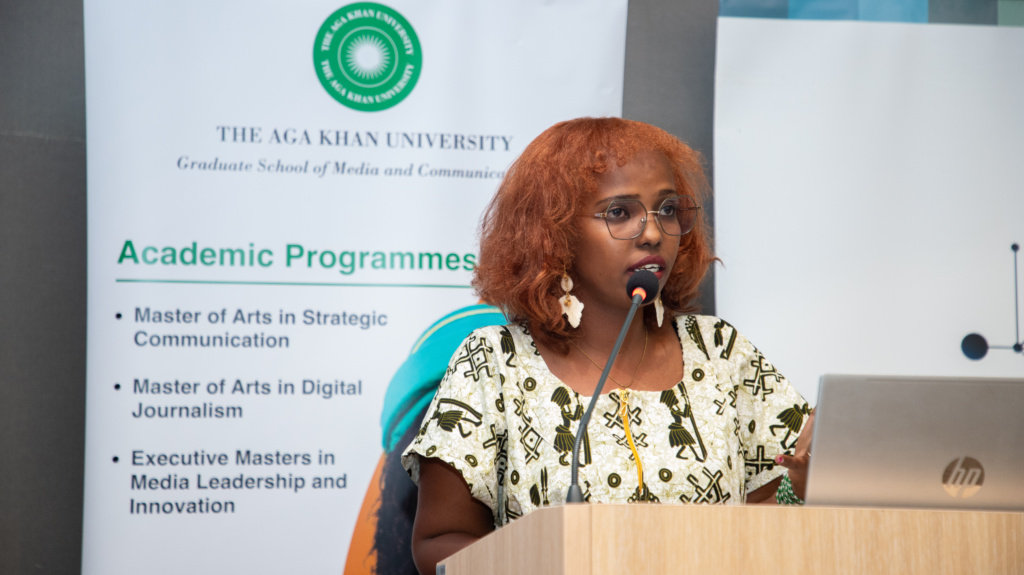
Raised in Kakuma herself, Noor painted a picture of relentless heat, recurring floods, water shortages, collapsing aid systems and rising hunger.
“A relentless sun turns Kakuma into a furnace,” she said, describing temperatures frequently reaching between 38 and 44 degrees Celsius.
Extreme heat worsens dehydration, malnutrition and disease, particularly for pregnant women and young children. Floods routinely destroy shelters and health facilities, while some families go weeks without reliable access to water.
For Noor, the climate crisis cannot be separated from conflict, poverty, displacement and shrinking humanitarian support.
“This is not one crisis,” she said. “This is climate change, displacement, poverty, hunger and inequality colliding at the same time. This is what poly-crisis looks like in Kakuma.”
Her testimony revealed how environmental shocks increasingly intersect with weak healthcare systems and bureaucratic exclusion.
Noor recounted resigning from her role as a nutrition assistant after repeatedly witnessing severe child malnutrition inside camp clinics. “Every week you would admit more than 100 children,” she said.
Women, she explained, often struggle to reach health facilities during pregnancy, while cuts in food assistance are worsening maternal starvation, premature births and malnutrition.
Among the most devastating barriers are documentation systems that prevent asylum seekers from accessing lifesaving treatment.
Noor shared the story of a woman diagnosed with breast cancer whose referral for chemotherapy was delayed because she lacked the identification documents required to enrol in Kenya’s health insurance system.
Even though by the time the paperwork was completed, she reveals that it was already too late. “She died after one month,” Noor said.
In another case, a planned distribution of HPV testing kits for women in Kakuma collapsed because humanitarian agencies could not guarantee treatment pathways for those who tested positive.
The stories echoed concerns raised earlier by Dr. Yasir Shafiq, a global health researcher and lecturer at Aga Khan University, who warned that displaced women and children remain largely invisible within global data and policy systems.
“The population most affected is systematically uncounted in most instruments and resource allocation processes,” he said.
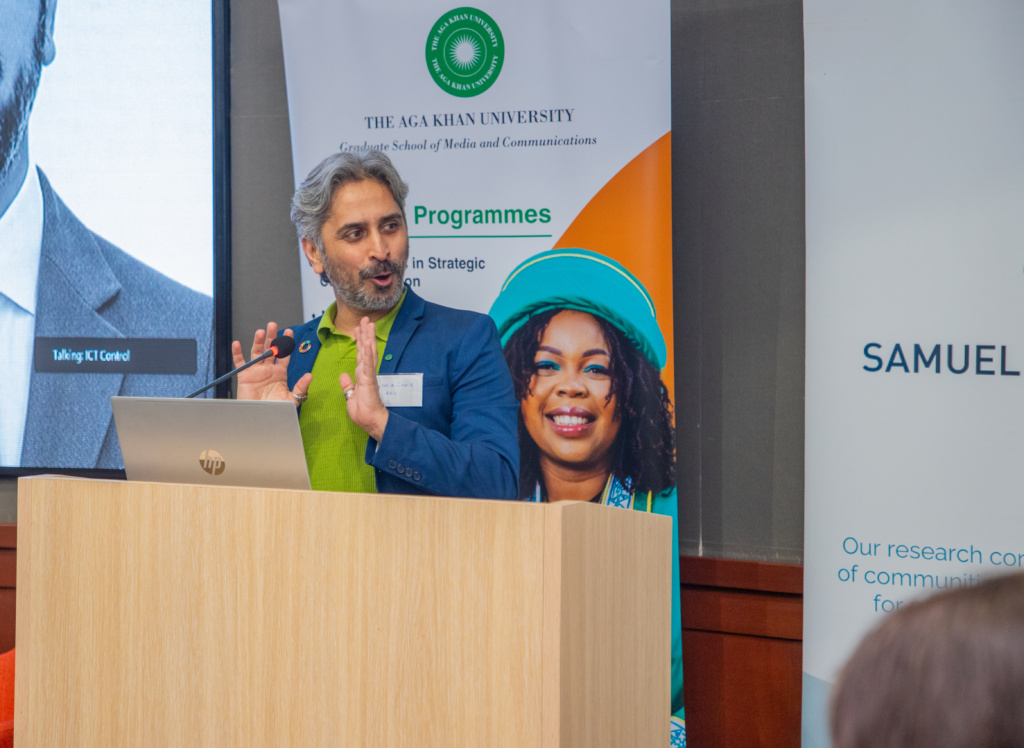
Shafiq described the growing convergence of climate shocks, armed conflict and disease outbreaks into what experts now call “poly-crisis.”
According to him, displacement has doubled globally over the last decade, with children accounting for nearly 40 percent of displaced populations. Refugee camps already exposed to extreme climate hazards are expected to face worsening conditions by 2050.
Yet despite mounting risks, climate adaptation financing for women and children remains critically insufficient.
For Professor Amina Abubakar, Director of the Institute for Human Development at Aga Khan University, the discussion raised urgent ethical questions about how humanitarian systems frame resilience and survival.
“These days I have mixed feelings about the word resilience,” she reflected.
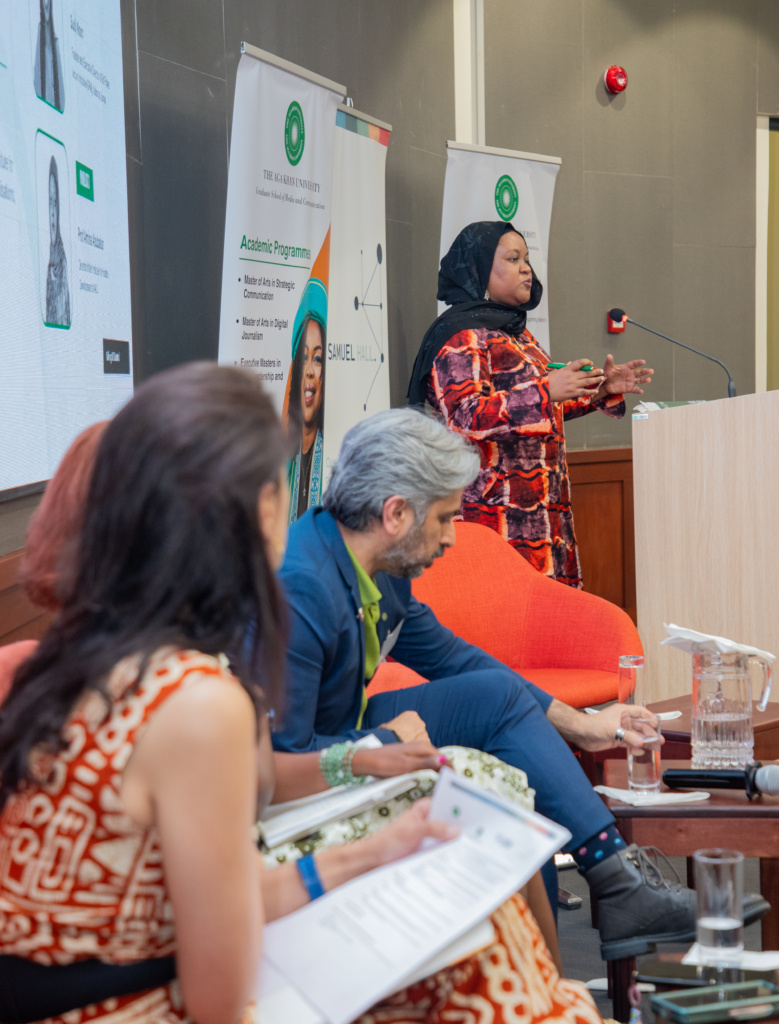
She recalled a conversation in which an architect challenged mental health practitioners by asking whether people should simply be taught to cope with toxic environments instead of transforming the conditions harming them.
Abubakar warned that children often absorb the deepest and longest-lasting consequences of climate instability, conflict and displacement. “What happens in childhood stays with you all your life?” she asked.
Still, throughout the lecture, speakers pushed back against narratives that portray displaced communities only as victims.
Abubakar stressed that affected communities are often best positioned to define and shape their own solutions. “Those wearing the shoe know where it is pinching,” she said.
For Alimia, the lecture itself was intended as a space to move beyond detached policy conversations and confront the human realities beneath climate statistics.
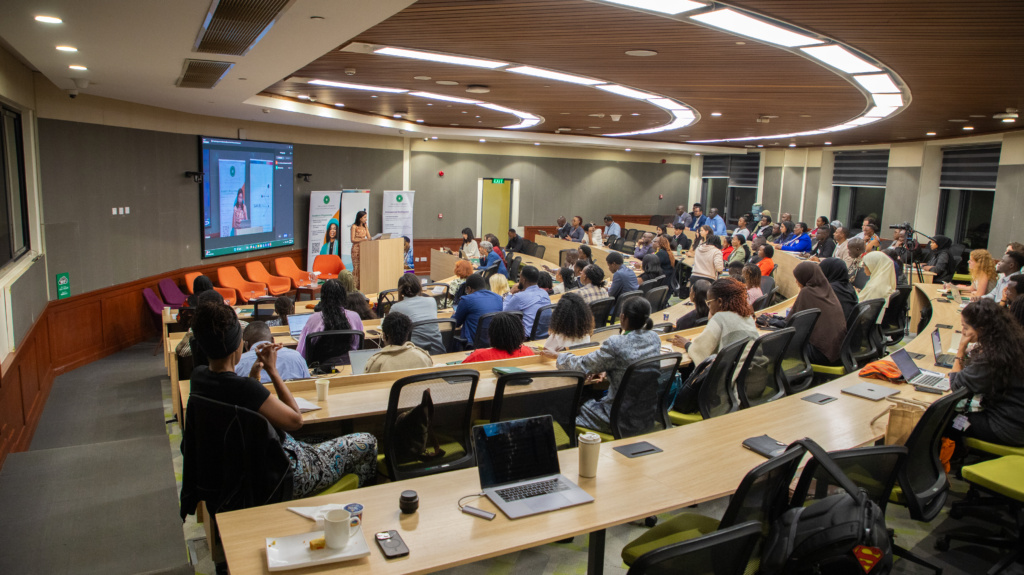
“Displacement continues to shape our worlds,” she said. “For the women who are giving birth, themselves children of mothers in their own right, vulnerable in these positions, what futures do they hold?”
As climate shocks intensify across fragile regions, the conversation in Nairobi emphasized a growing reality for humanitarian systems globally: climate change is increasingly being lived through women’s bodies, interrupted childhoods and fragile health systems struggling to hold together under the weight of overlapping crises.
Author Profile

-
Seeker.
Inspire AFRIKA.
Latest entries
 Biodiversity24 October 2026Faith Leaders and Civil Society Call for Stronger Partnerships to Restore Nature
 Biodiversity23 October 2026Inside Kobe’s Grassroots Effort to Train the Next Generation of Biodiversity Leaders
 Animals23 October 2026As COP17 Meets, World’s Rarest Great Ape Faces a Make-or-Break Test in Indonesia
 Biodiversity22 October 2026One in Five Tropical Biodiversity Sites Overlapped by Mining Concessions, COP17 Report Finds


