
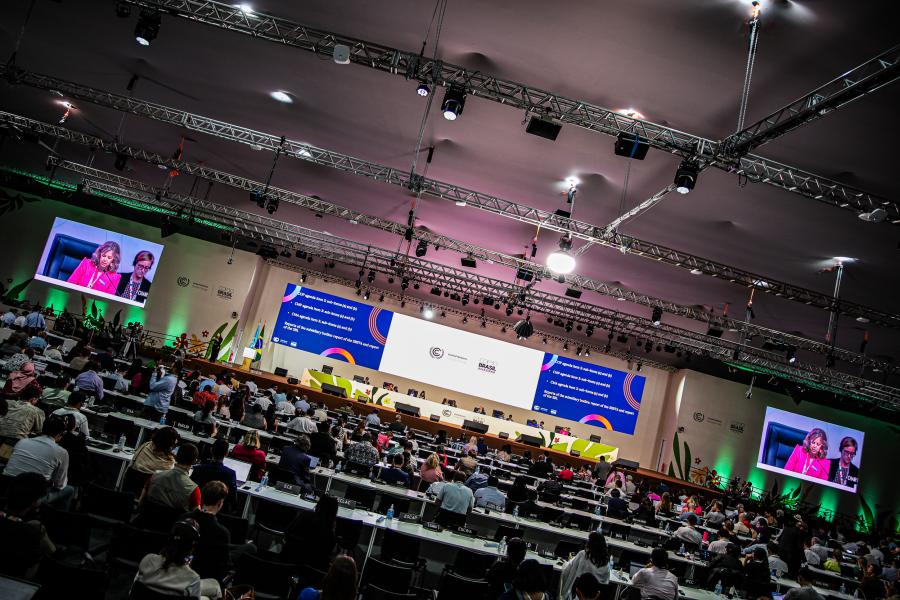
Climate Finance was the defining statement for the previous COP29 in Baku; to an extent, it was named the “finance cop”. This focus only indicated one gesture that climate finance is essential if we are to implement the climate actions that then assist in building resilience.
As emphasized multiple times by COP30 President André Corrêa do Lago has said this year’s conference must put “people at the centre” of climate action, a powerful statement indeed, although its test remains climate finance.
Even though a network of fragile states argues that more than one billion of the world’s most at-risk people are still being left out of the conversation.
This is outlined in a statement released this Tuesday by the Improved and Equitable Access to Climate Finance Network (IEACF) that would reveal how countries affected by conflict and fragility are being “locked out” of funding crucial to adapt to climate impacts.
The contradiction is striking, especially with the heightened remarks of COP30 promising a people-centred approach. Those facing losses like the victim of Hurricane Melissa in Jamaica, which swept in hours, leaving devastating destruction.
Such victims seek to be supported in responding to such losses and damages that strike unawaringly and intensely.
The Network of IEACF, which is made up of 10 countries affected by fragile governance and conflict, including Burundi, Mauritania, Somalia, and Papua New Guinea, is calling for climate funds and COP30 to address what it describes as “an urgent blind spot at the heart of climate finance.”
A Conflict Blind Spot in Climate Finance
Based on the statistics from humanitarian organizations, more than one billion people live in countries affected by conflict, violence, and fragile governance. Additionally, in reflection of this revelation that in 2022, these countries received just 10% of global climate finance, despite being among the most vulnerable to climate impacts.
It’s important to acknowledge that these fragile states face several barriers to accessing finance, including long timeframes and demanding application requirements.
According to Yemen’s Minister of Water and Environment, Tawfiq Al-Sharjabi, speaking at a UNFCCC side event on Tuesday, there are numerous constraints to accessing climate finance.
“Complex procedures, limited technical capacities, and the absence of flexible financial instruments are some of the hurdles faced in seeking climate finance,” said Tawfiq.
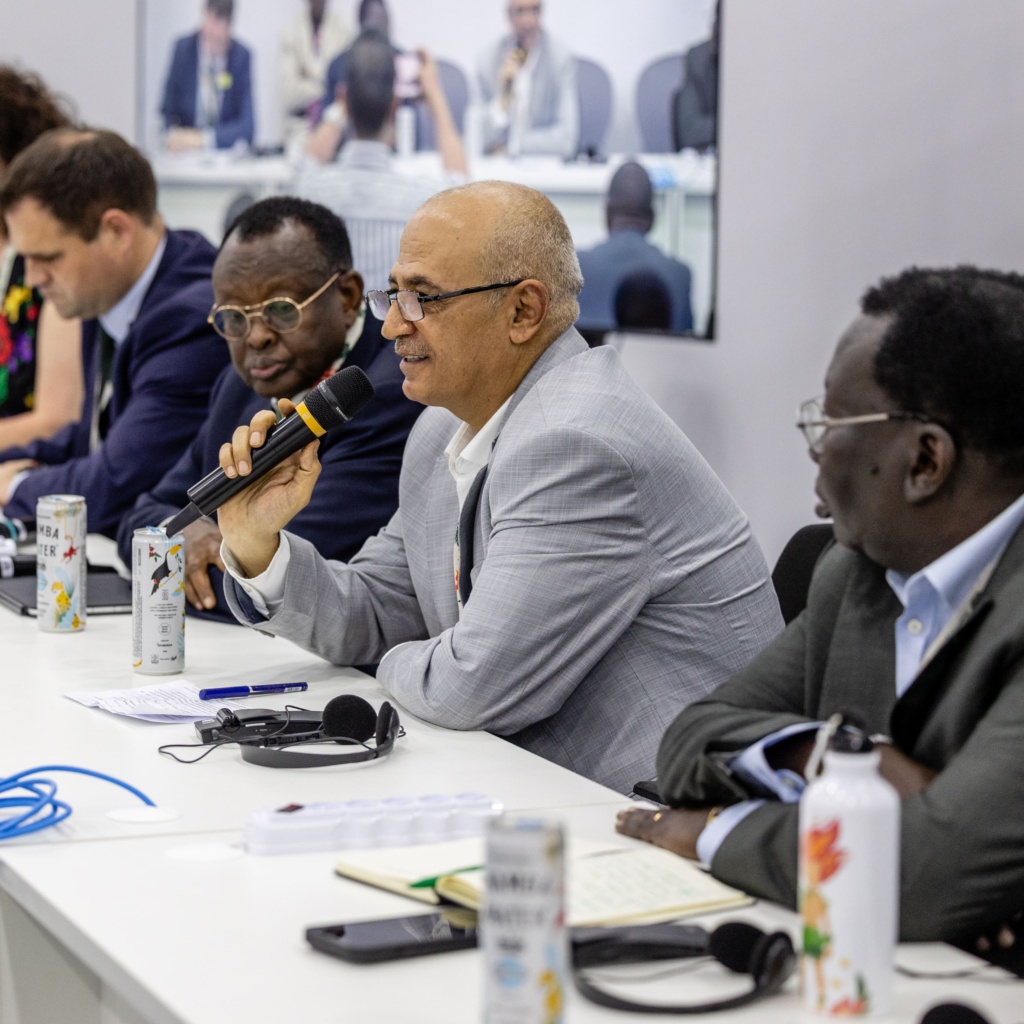
As a result, it can often be easier for countries to access humanitarian aid than climate finance, according to Somalia’s Minister of Environment and Climate Change, Bashir Mohamed Jama.
“Somalia receives just over $300 million in climate-related funding each year, or less than 1 percent of the amount we need to adapt,” Jama said. “By contrast, each year Somalia receives $1.1 billion in humanitarian aid funding.”
Jama would further reveal that this discrepancy highlights “a damning failure at the heart of the global development system.” A failure, he opines, has made it easier to unlock finance in the aftermath of disasters than it is to invest in preventing them.
The conversation around climate finance stirs mixed reactions from diverse parties, and the negotiations at COP30 to increase climate finance flows only lend fresh urgency to the issue.
“While the ambition to unlock an additional $1.3 trillion in Belém is admirable, we need to see equal ambition in ensuring that existing funds reach the people who need them most,” said Mauricio Vazquez, head of policy for risks and resilience at think tank ODI Global.
A Growing Push for Change
The Improved and Equitable Access to Climate Finance Network (IEACF), formed in 2024 to call for more attention to this persistent blind spot in climate finance, has continuously signed more members on board championing its vision.
IEACF acts as a platform for countries in crisis to advocate with one voice for scaled-up climate finance and action. Member states meet several times a year.
On Tuesday, at the sidelines of COP30 discussions, three new members joined the Network: Mauritania, Papua New Guinea, and South Sudan, signalling growing momentum and concern among fragile states.
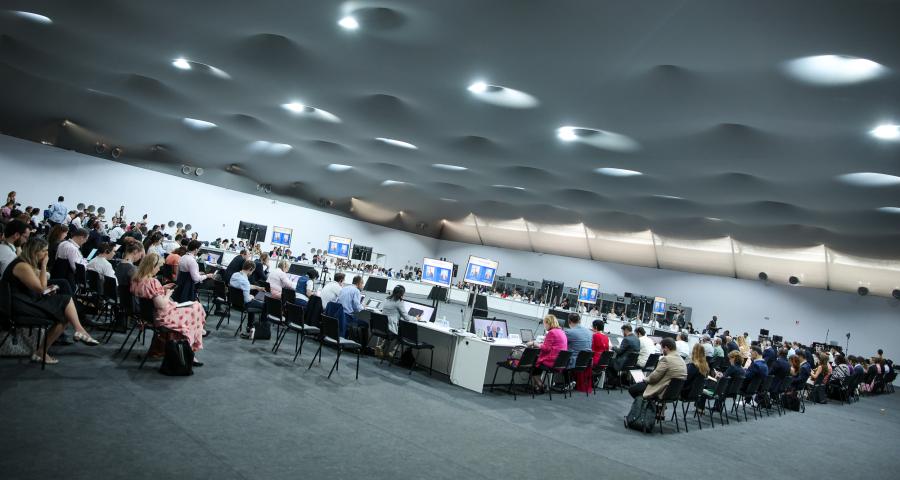
In its statement, the Network calls for climate funds and development banks to continue reforming how they allocate climate finance, to ensure it reaches people in places affected by conflict and humanitarian crisis.
It is also pushing for funding to prioritise long-term projects that build climate resilience, rather than support delivered only after disasters strike.
The Stakes are High
Climate adaptation is high on the agenda at COP30 as the governments seek to finalise a comprehensive set of indicators for the Global Goal on Adaptation, a collective commitment within the UNFCCC to define and track how the world strengthens resilience and reduces climate vulnerability.
Moreover, experts warn that unless fragile and conflict-affected countries are better included, climate impacts will continue to worsen lives, livelihoods, and entire economies for those already furthest behind.
As emphasized by Asif R. Khan, director of the policy and mediation division within the UN Department of Political and Peacebuilding Affairs, which currently chairs the Climate Security Mechanism, it’s apparent that the impacts of these linkages [between climate change and conflict] are firsthand.
Notably, most of the UN’s peace operations are deployed in climate-stressed regions that are among the least equipped to manage climate shocks.
Khan said: “Climate change is amplifying the pressures that fuel conflict and displacement. For example, lack of access to water has accentuated tensions between herder and more sedentary communities in parts of West Africa.”
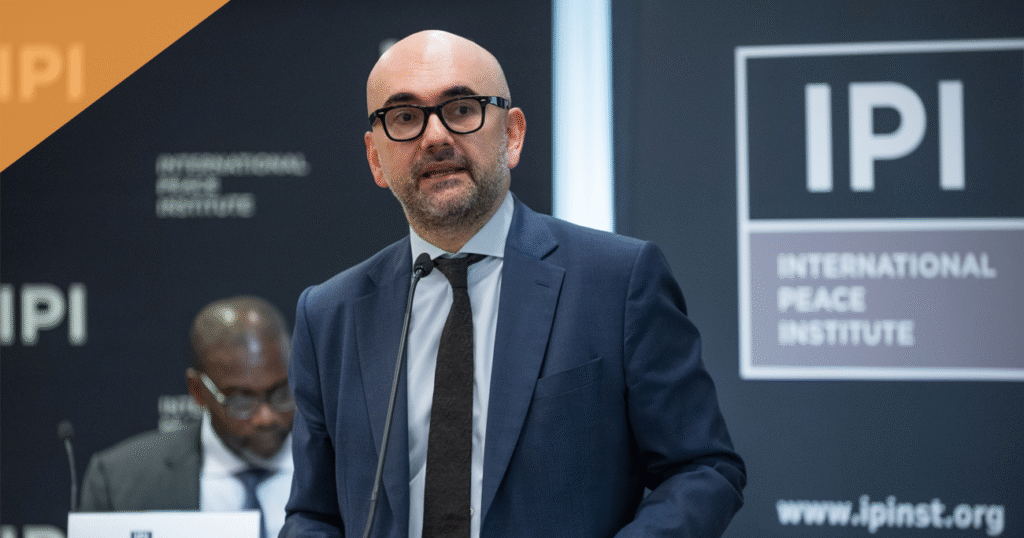
The most effective way to support fragile countries, he said, is to make them more stable and peaceful. “For us, helping countries manage climate risks is part of a broader effort to prevent a crisis, which means more than planting trees or installing solar panels. It also involves all parts of society to pull in the same direction to build resilience and foster peace. That also means, in turn, joined-up risk analysis, sustained partnerships, and financing that reflects realities on the ground,” Khan added.
This emphasis on collaboration, across peacebuilding, development, and climate adaptation, is also a focus for several donor governments.
Neale Richmond, Ireland’s Minister of State at the Department of Foreign Affairs, opines that Ireland’s international development policy is centred on reaching the furthest behind first.
Neale argues that they have adopted a comprehensive and inclusive approach that prioritises peace and reduces humanitarian needs. “We recognise the need to forge a future where peace and security thrive alongside a sustainable and resilient planet,” said Neale.
As COP30 leaders continue to call for “people at the centre,” fragile states warn that one billion people living in conflict-affected regions cannot remain an afterthought in the global climate response.


