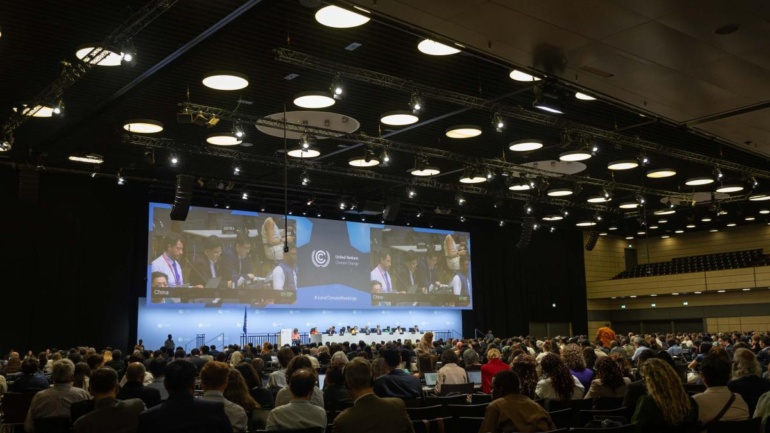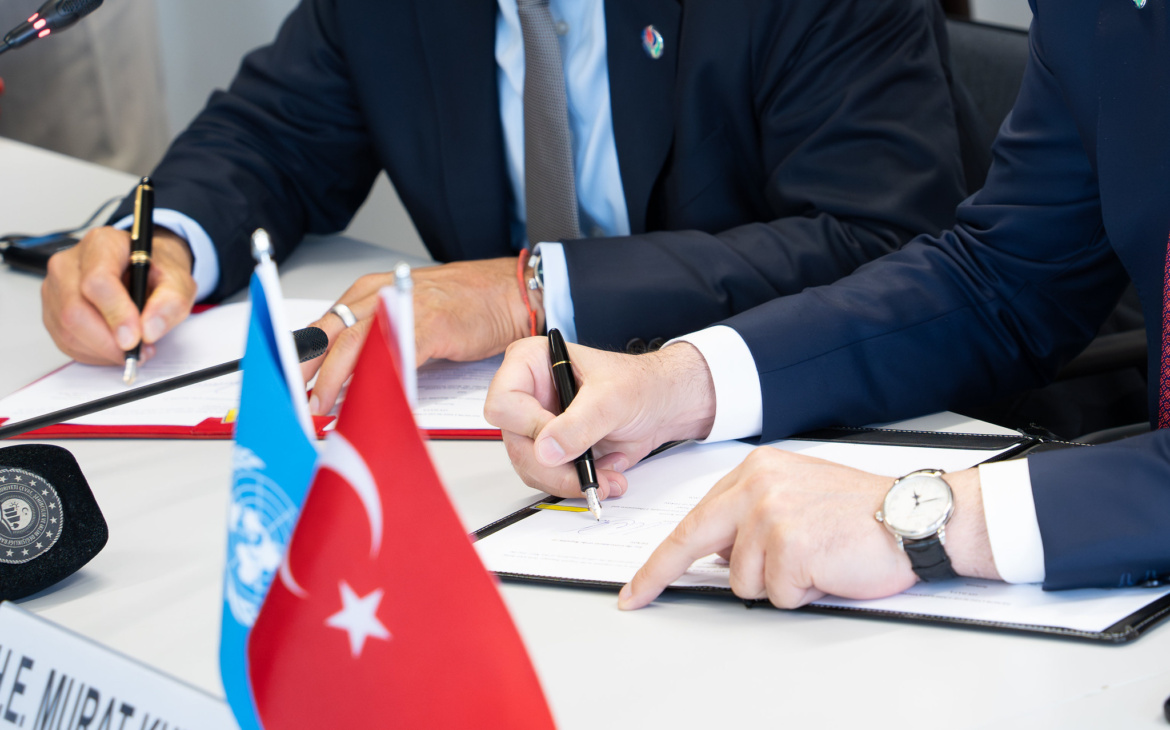
COP31 President-Designate Murat Kurum has unveiled a new global target to increase electricity’s share of final energy consumption from just over 20 percent today to 35 percent by 2035, hence the slogan “35 by 35,” positioning electrification as a central pillar of climate action ahead of the UN climate summit in Antalya, Türkiye.
Announced during the Bonn Climate Change Conference, the proposed “35 by 35” target forms part of the COP31 Presidency’s Action Agenda, a package of voluntary initiatives aimed at accelerating implementation of climate commitments beyond the formal negotiations process.
The COP31 Presidency said it will work to build a global coalition to support the target, which is based on analysis by the International Energy Agency (IEA) and the International Renewable Energy Agency (IRENA). The initiative is intended to help countries reduce reliance on direct fossil fuel use across buildings, transport and industry while supporting efforts to keep global warming within the Paris Agreement’s 1.5°C goal.
Electrification is increasingly viewed as one of the most effective pathways for cutting greenhouse gas emissions, particularly when powered by renewable energy. Expanding the use of electricity in sectors such as transportation, heating, cooling, and manufacturing can reduce dependence on coal, oil, and gas while improving energy security and lowering long-term energy costs.
“By electrifying daily life, from transport to buildings and industry, we can protect families and businesses from volatile energy markets,” Kurum said, describing the target as one of the defining priorities of the COP31 Presidency.
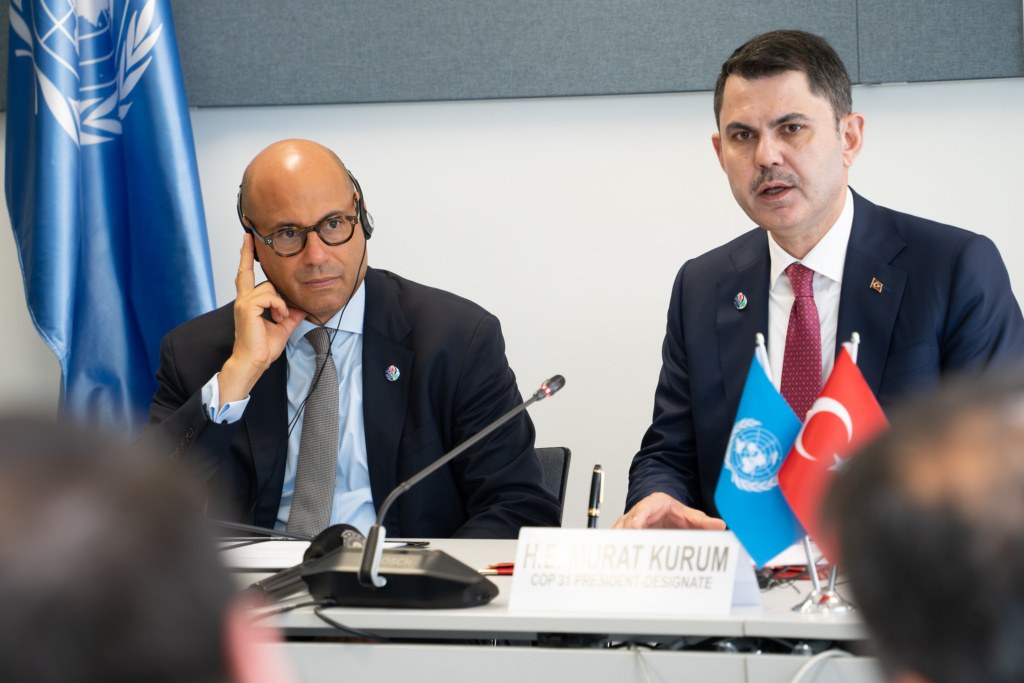
The electrification target was unveiled alongside several other proposed goals under the COP31 Action Agenda. These include a commitment to halve the growth of global waste by 2035 as part of the Presidency’s focus on achieving zero waste.
According to the Presidency, food waste alone accounts for around 10 percent of global greenhouse gas emissions, largely through methane, a potent greenhouse gas with a significantly higher warming impact than carbon dioxide over the short term.
Another key proposal seeks to reduce energy consumption intensity in the building sector by at least 25 percent by 2035. The initiative falls under the Presidency’s Resilient Cities priority and is aimed at improving efficiency while reducing energy costs for households and businesses.
The Presidency also announced ongoing work on additional initiatives covering food security, circular materials in manufacturing and climate education.
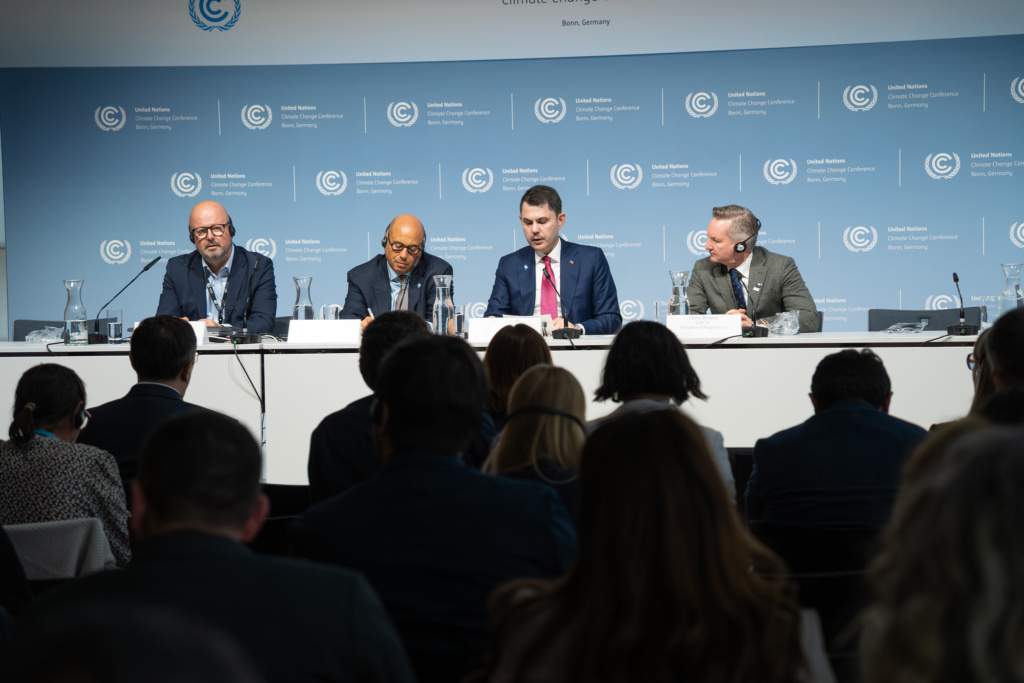
Kurum further outlined plans for a Climate Implementation Bridge, an initiative designed to better align national climate, economic and development priorities while helping climate finance reach projects on the ground more quickly and effectively.
To support implementation of the electrification agenda, the COP31 Presidency and Australia have commissioned the IEA to prepare special reports examining pathways for achieving the 35 percent electrification target and assessing the emissions and economic benefits of reducing waste and strengthening circular economy systems.
Australia’s Minister for Climate Change and Energy, Chris Bowen, described electrification as a practical pathway to strengthen energy security, lower costs, and reduce emissions.
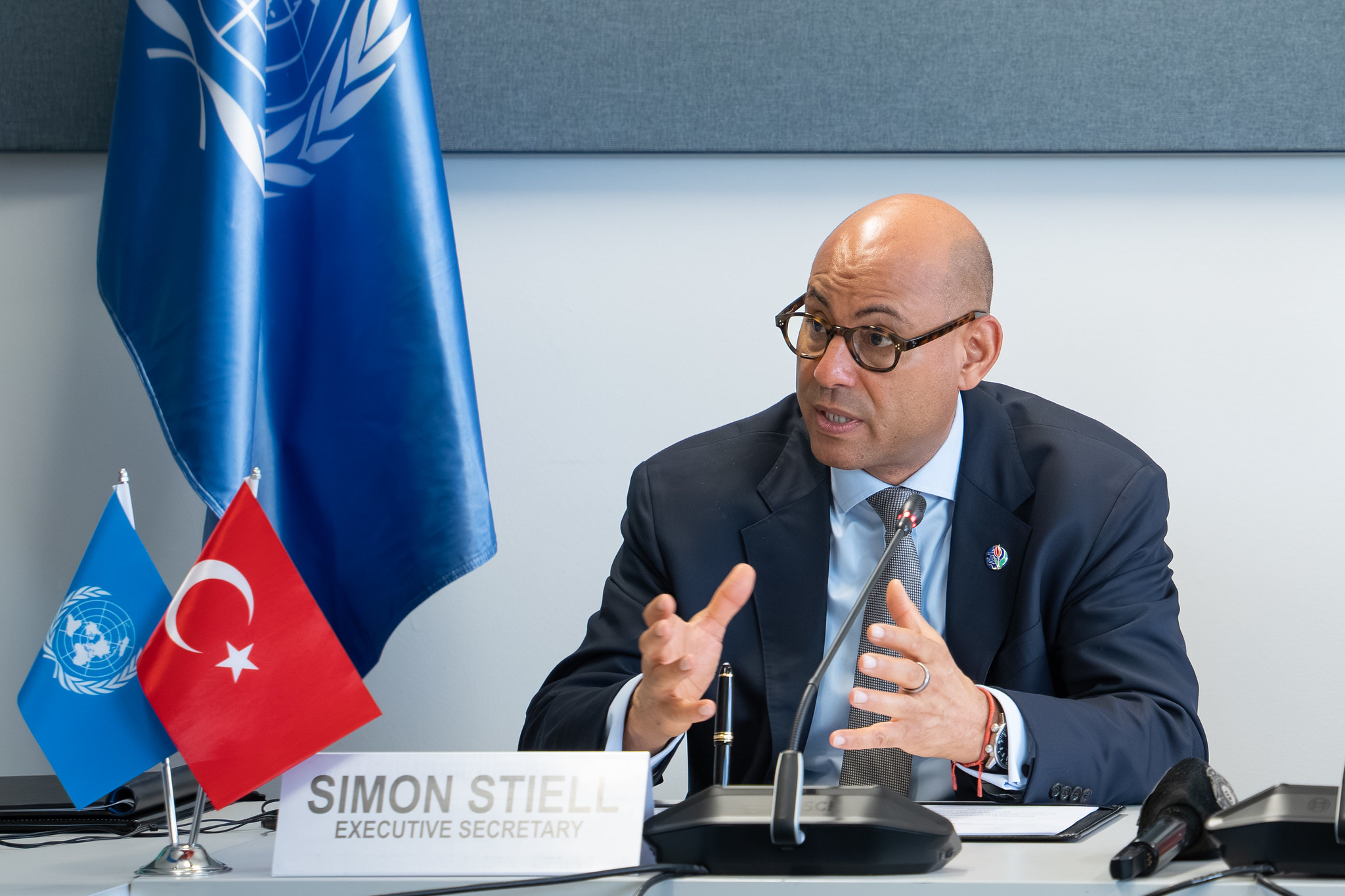
UN Climate Change Executive Secretary Simon Stiell welcomed the focus on electrification, energy efficiency and waste reduction, noting that scaling up these measures will be critical to achieving the outcomes identified in the Global Stocktake agreed at COP28.
IEA Executive Director Fatih Birol said the world is entering what he described as an “Age of Electricity,” driven by growing demand from electric vehicles, industry, air conditioning, and emerging technologies such as artificial intelligence. He said accelerating electrification would enhance energy security while helping countries cut emissions.
IRENA Director-General Francesco La Camera also endorsed the target, noting that electrification powered by renewable energy remains one of the most immediate and cost-effective solutions available for advancing the global energy transition.
The announcement comes as countries prepare for COP31, where implementation of existing climate commitments, climate finance and accelerated emissions reductions are expected to dominate discussions amid growing concerns that the world remains off track to meet the goals of the Paris Agreement.
Author Profile

-
Seeker.
Inspire AFRIKA.
Latest entries
 Corporate15 October 2026Water, Sanitation and Digital Learning at the Centre of Garissa School Upgrade
 Agriculture14 October 2026Africa’s Food Systems Future Depends on Listening to Farmers
 Weather Forecasts13 October 2026Rain and Rising Temperatures Forecast Across the Greater Horn of Africa
 Climate9 October 2026Beyond Negotiations: Africa Expects Concrete Outcomes from Antalya