
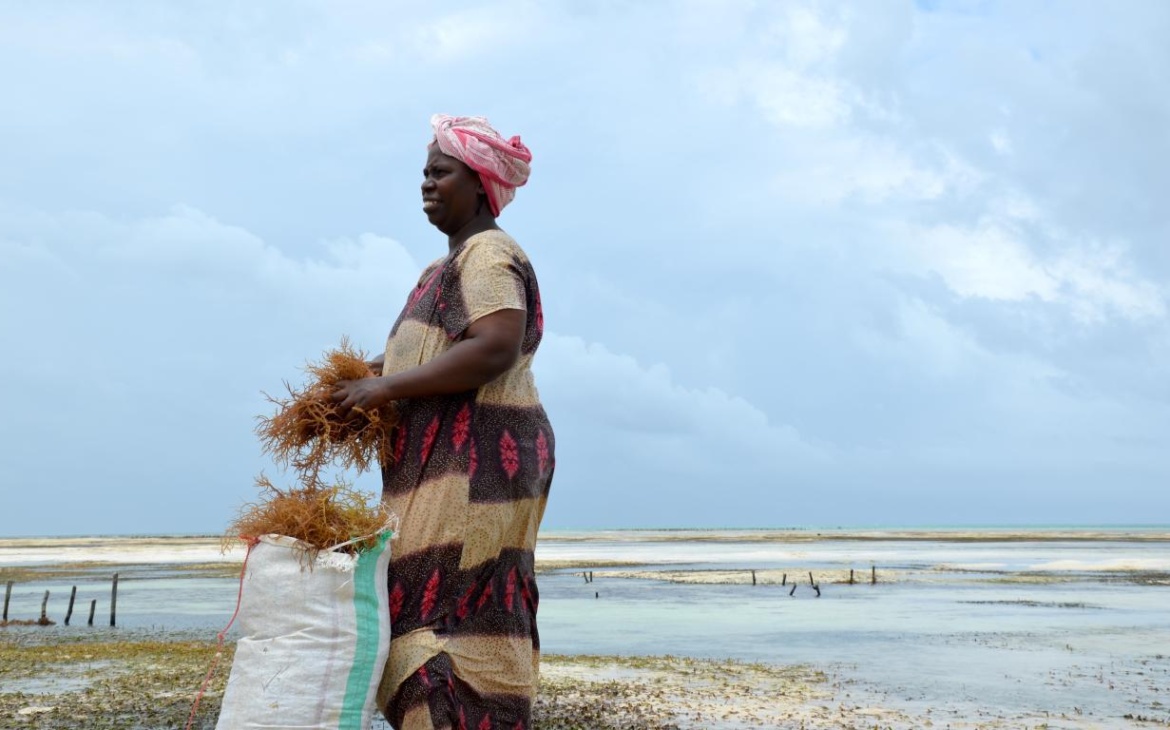
As Africa searches for sustainable ways to feed a rapidly growing population while creating jobs and adapting to climate change, attention is increasingly turning to the continent’s rivers, lakes and coastlines.
But according to researchers at WorldFish, the future of aquatic food systems is about far more than producing more fish. It is about using science to build food systems that are productive, environmentally sustainable and economically inclusive.
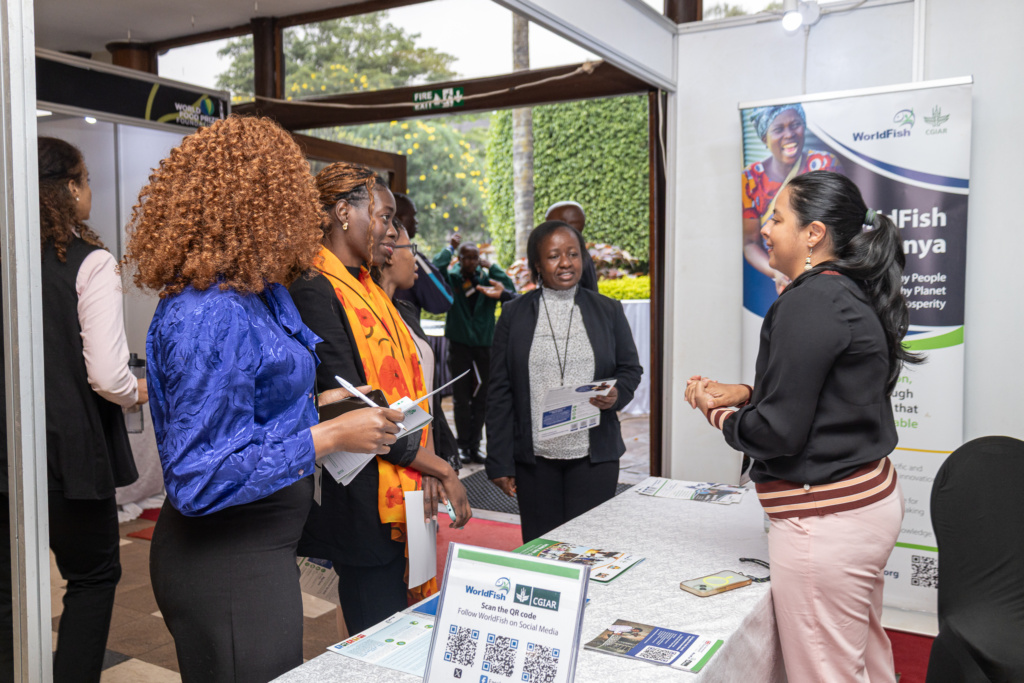
Speaking on the sidelines of the World Food Prize Foundation’s DialogueNEXT Africa, Dr. Sara Bonilla, a Postdoctoral Fellow in Gender Equality and Social Inclusion at WorldFish, explained how the international research organization is combining scientific innovation with social research to improve fisheries and aquaculture while ensuring women and young people benefit from the opportunities the sector creates.
Science at the Heart of Africa’s Blue Economy
“Our work focuses on fisheries, aquaculture, mariculture and aquatic food systems in general,” Bonilla said.
“We develop and improve fish species to grow faster and produce more biomass. We also work on developing fish feeds that are sustainable and cost-effective.”
The work reflects the growing recognition that aquatic food systems will play an increasingly important role in feeding Africa’s expanding population while reducing pressure on natural fisheries. By improving fish genetics, developing affordable feeds and promoting sustainable production systems, WorldFish aims to make aquaculture more productive and resilient.
While advances in breeding and nutrition are helping farmers produce fish more efficiently, Bonilla believes innovation must extend beyond technology to include the people who depend on these value chains.
Beyond Production: Empowering Women and Young People
“My work focuses on women’s empowerment and youth engagement in aquatic food systems,” Bonilla said.
“We look at where women and youth are engaged in the value chains, what activities they are doing, what roles they have, and how we can improve their benefits and empower them to take on higher-value activities.”
This highlights a growing understanding that increasing food production alone is not enough. Lasting transformation also requires ensuring that women and young people can participate meaningfully in the most profitable segments of the value chain.
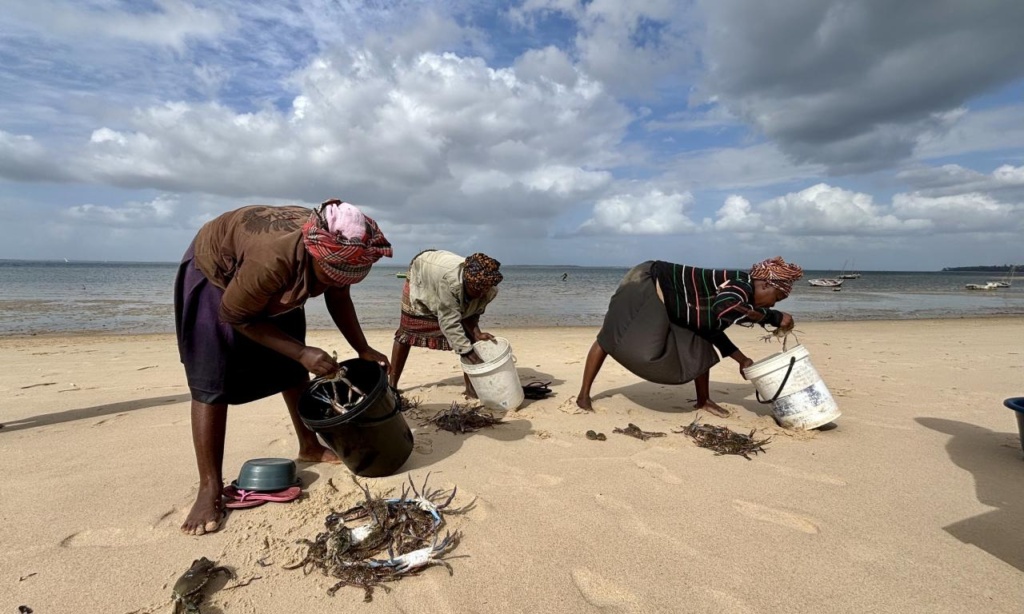
Across many African countries, women play key roles in fish processing, marketing and trade, while young people represent a growing workforce looking for employment and entrepreneurial opportunities.
However, many still face barriers to accessing finance, technology, training and leadership positions. By identifying these gaps, WorldFish hopes to design interventions that create more equitable opportunities across the aquatic food sector.
Cutting Waste, Increasing Food Security
In Kenya, where Bonilla is based, WorldFish is implementing projects that tackle another major challenge facing fisheries: post-harvest losses.
“One of our projects focuses on reducing fish loss and waste,” she explained. “We are promoting different products and approaches that help reduce losses across the fisheries and aquaculture value chain.”
Reducing waste is increasingly recognised as one of the fastest ways to improve food security.
Every kilogram of fish saved through better handling, storage and processing means more food reaches consumers, higher incomes for producers and less pressure to increase production from already strained aquatic resources.
Bringing Global Innovation to African Fish Farms
Beyond reducing losses, WorldFish is also introducing proven innovations from other regions to improve African aquaculture.
“We have another project that is bringing innovations from Asia to Africa,” Bonilla said.
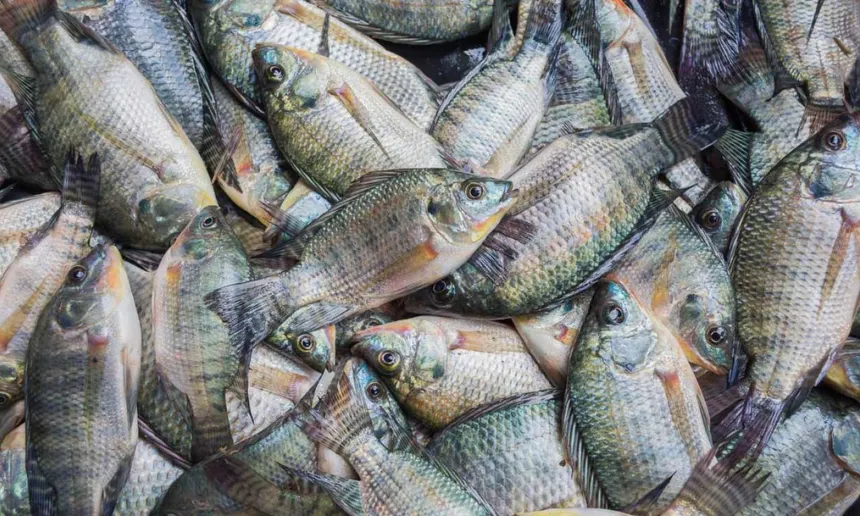
“One improved tilapia species has been genetically developed to grow faster and require less feeding. It has already been adapted in Egypt and is now in the experimental phase here in Kenya.”
Improved fish breeds capable of growing faster while consuming less feed could significantly lower production costs and improve profitability for farmers. If successfully adopted, such technologies could strengthen aquaculture’s contribution to food security, nutrition and rural livelihoods across the continent.
Building Sustainable Aquatic Food Systems
WorldFish’s vision extends beyond improving individual fish species. The organization is also researching farming systems that make better use of natural ecological processes.
“At WorldFish, we offer research that can be scaled up for the blue economy,” Bonilla said. “For example, designing mariculture systems that benefit women, men and youth.”
She pointed to research by colleagues developing integrated mariculture systems that combine fish, shellfish and seaweed within the same production environment.
Each species performs a complementary ecological role, reducing the need for external feed inputs while improving environmental sustainability and creating multiple income streams for farming communities.
Such approaches demonstrate how scientific research can help countries expand aquatic food production without compromising the health of marine ecosystems.
Research That Delivers Real-World Impact
For countries investing in the blue economy, these innovations offer opportunities that go well beyond increasing seafood production.
They can improve nutrition, create employment, diversify livelihoods and strengthen resilience to climate change, particularly for coastal and lakeside communities.
DialogueNEXT Africa provided an important platform for researchers, policymakers and development partners to exchange ideas on transforming food systems across the continent. Among the recurring messages was that innovation must be both scientifically sound and socially inclusive if it is to achieve lasting impact.
Bonilla believes research has a critical role to play in that transformation.
By combining improved fish genetics, sustainable feeds, better post-harvest management and socially inclusive approaches, organisations such as WorldFish are demonstrating that the future of aquaculture is not simply about producing bigger harvests.
It is about building aquatic food systems that generate better livelihoods, reduce waste, strengthen resilience and create opportunities for women and young people alongside increased food production.
As African countries continue to invest in their blue economies, research such as that being undertaken by WorldFish offers a roadmap for ensuring that aquatic food systems become not only more productive, but also more sustainable, more resilient and more inclusive for generations to come.
Read Also: World Food Prize Dialogue Calls for Strong Action on Hunger
Author Profile

- How can we learn if we don't question?
Latest entries
 COP3115 October 2026Pacific Leaders Call for Urgent Climate Action Ahead of COP31
 Agriculture13 October 2026Can the buffalo fix Kenya’s milk problem? Farmers say start with the feed bill
 Events12 October 2026Cybersecurity in the Floriculture Industry
 Opinion & Analysis8 October 2026Why Africa Must Look to What Already Exists in Its Blue Economy


