
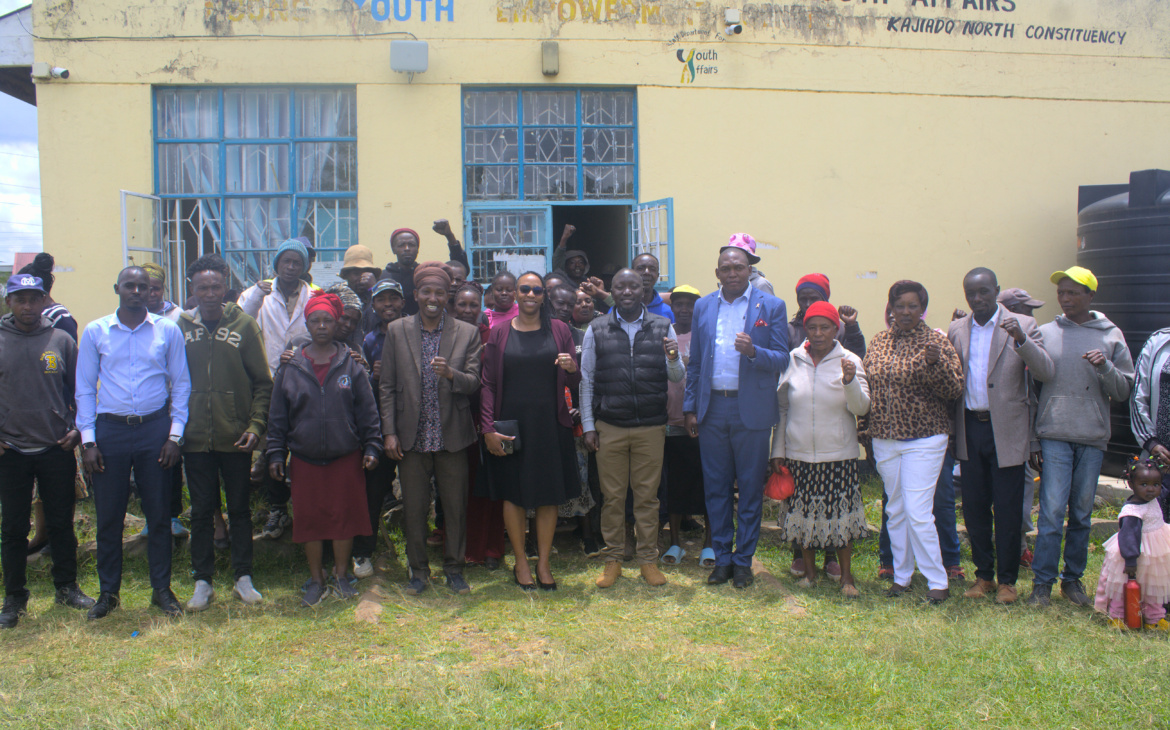
By mid-morning in Ngong, the wind carries more than dust across the open grounds where waste pickers, as they are commonly known, gather, yet today it is a movement, conversation, and, unusually, attention as they are tagged Waste Reclaimers.
For years, this work has existed in the margins, with those in it often labelled ‘chokoraas’ and other names. These men and women, bending over heaps of discarded plastic, salvaging what they can, often unseen and rarely acknowledged, are now rising into visibility. On this particular week, under a structured training tent and guided sessions, that reality begins to shift.
Clipboards replace guesswork that has long rendered the sector informal, as deliberate discussions replace silence. For many here, it is the first time their work is being treated not as a last resort, but as a profession.
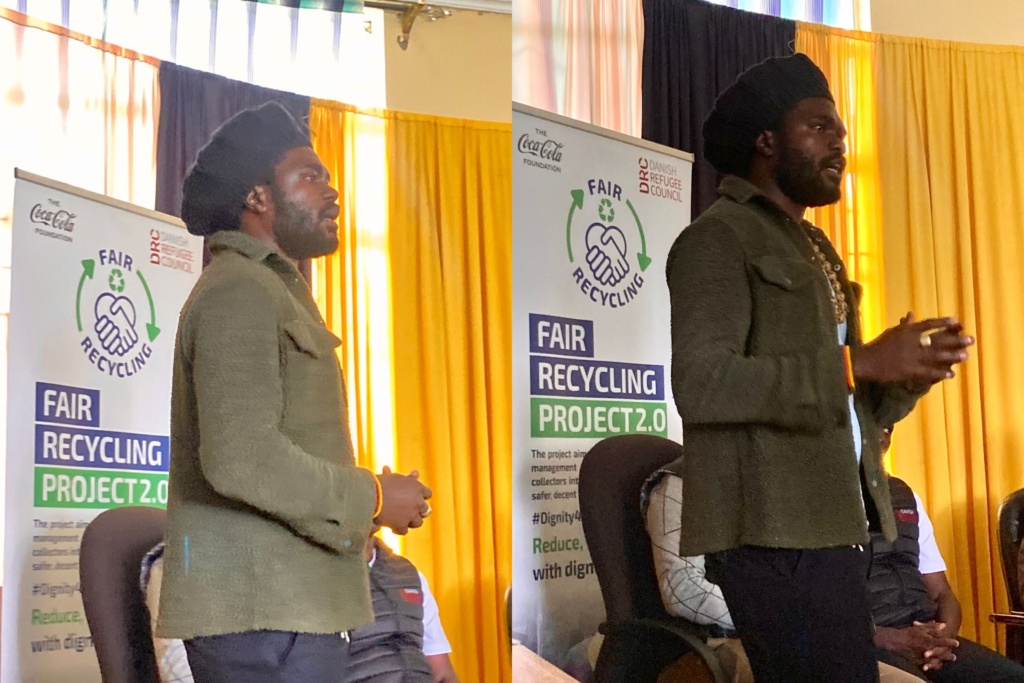
The Danish Refugee Council (DRC), working with the Coca-Cola Foundation, has brought together dozens of waste reclaimers for a three-day training under the Fair Recycling Project 2.0—an initiative aimed at formalizing waste reclaiming and restoring dignity to those who have long operated outside formal systems.
The project, which began in August 2025, stretches beyond Ngong to Kakuma and into Uganda, where partners like Ecoplastile are helping build a regional recycling ecosystem. Backed by $2 million in funding, it targets the collection of up to 30,000 tonnes of plastic annually and the creation of roughly 3,000 jobs.
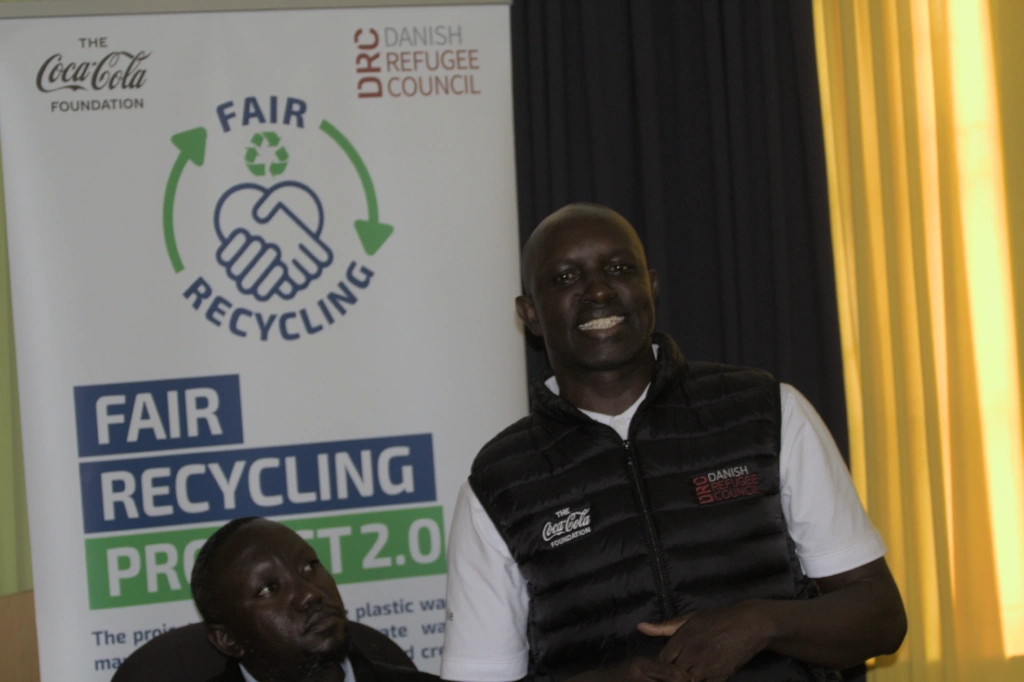
Maurice Onzere Ala, the project lead at DRC, revealed that it’s his conviction that the Ngong Waste reclaimers will attend the training, share their experiences as they receive training, which will enable the derivation of solutions to ensure they meet the annual targets.
“Waste is what feeds us”: Waste Reclaimers
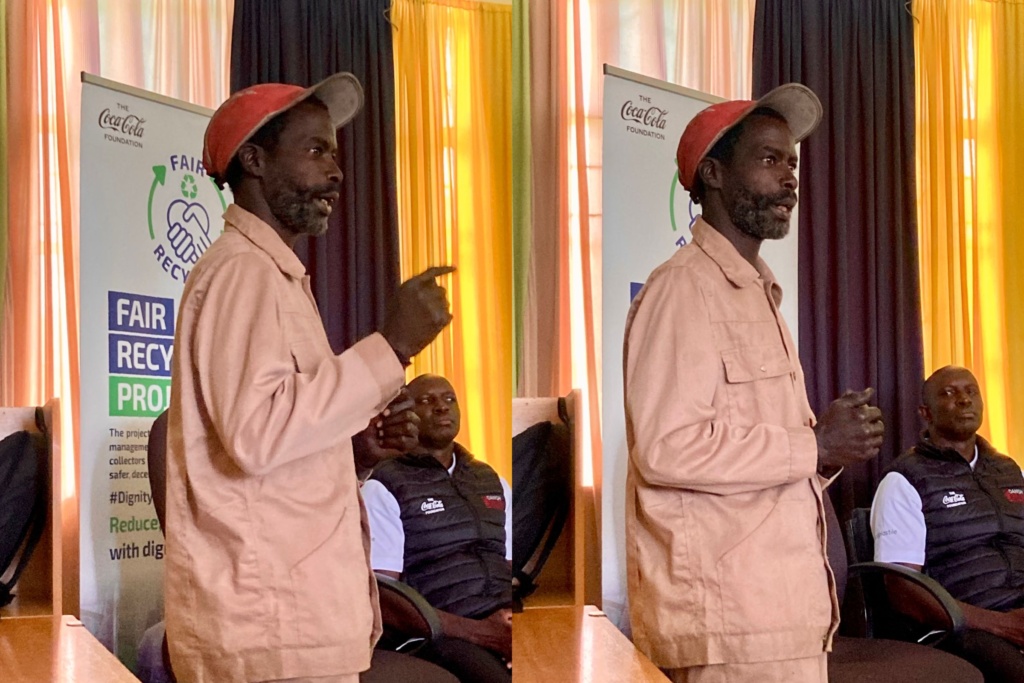
Seated among fellow reclaimers, Paul Njuguna listens intently before raising a concern that draws nods across the group. Since the closure of the Ngong dumpsite, he explains, their work has only grown more difficult. Access to waste has become unpredictable, and with it, their daily income.
“For us, waste is a huge resource. It sustains our livelihoods,” he says. His words cut to the core of a contradiction: what society discards is, for thousands, the very basis of survival.
Around him are young men navigating unemployment, women balancing caregiving with long hours of sorting, and older workers who have few alternative income streams. Each has a story tied to waste, not as debris, but as opportunity.
Yet that opportunity comes with risk, from exposure to hazardous materials to fluctuating prices set by middlemen. The sector has long been defined by instability.
Building more than skills, with women at the centre
Inside the training sessions, the conversations stretch far beyond collection techniques. Facilitators speak about mental health, drug and substance abuse, gender-based violence, and the importance of protective gear and collective organization.
“Our training here will touch on diverse issues that affect citizens holistically, from mental health to drug abuse, gender-based violence, and safety measures, including protective gear, as well as discussions on pricing,” said Maurice Onzere Ala, the project lead at DRC.
It is a subtle but powerful shift, from individual struggle to collective identity. Participants are encouraged to organize into groups, track their work, and engage more confidently with buyers and institutions. The goal is not just efficiency, but recognition, a reframing of the sector itself.
For Zipporah Njuguna, who represents women within the group, the stakes are both economic and personal. She speaks calmly, but with urgency, about the need for structure, something that has long been missing.
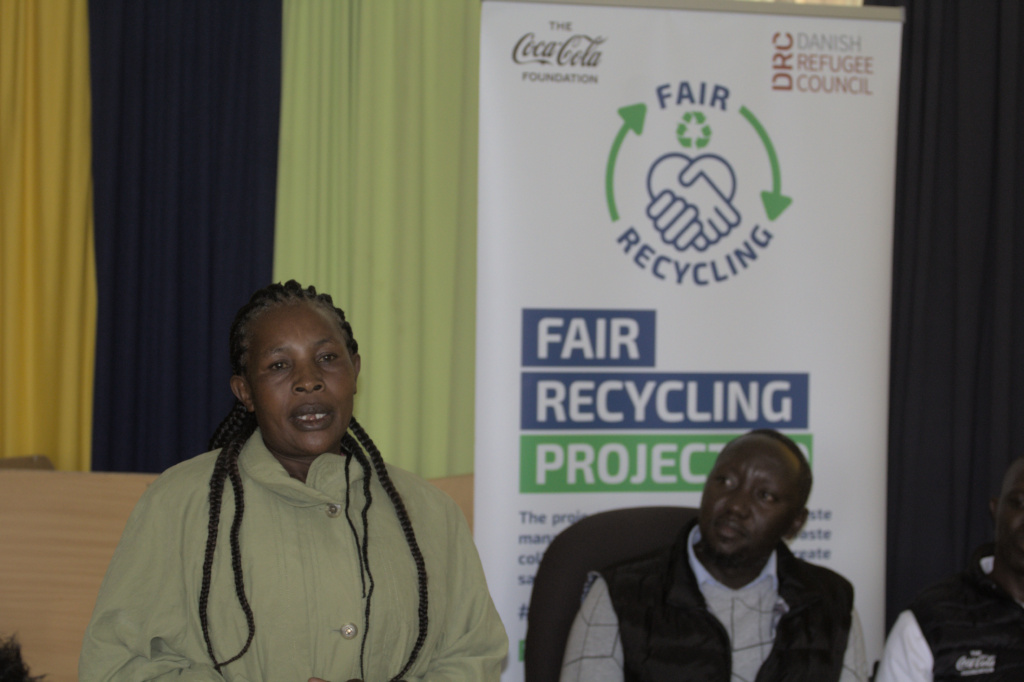
From inconsistent access to protective equipment to unfair pricing, she outlines the everyday barriers women face in the field.
“If that can be done, we will be alright since waste is a richness for us,” she says, before adding, “Waste is a source of income for us.”
Her point is clear: dignity is not abstract; it is built through systems that work.
A town confronting its waste
Beyond the training grounds, Ngong itself tells a broader story. Waste lines roadsides. It gathers in market corners. It drifts toward residential areas, carried by wind and neglect.
Area Member of County Assembly Mbiriri Mwaura has seen it firsthand. “Anywhere I go, I am finding dirt, not only in the areas around the market, but also on roadsides and near residential houses. It is something we have to address,” he says.
“As we engage with DRC, it is important that we tackle these issues while uplifting the actors in this space in ways that uplift their livelihoods.”
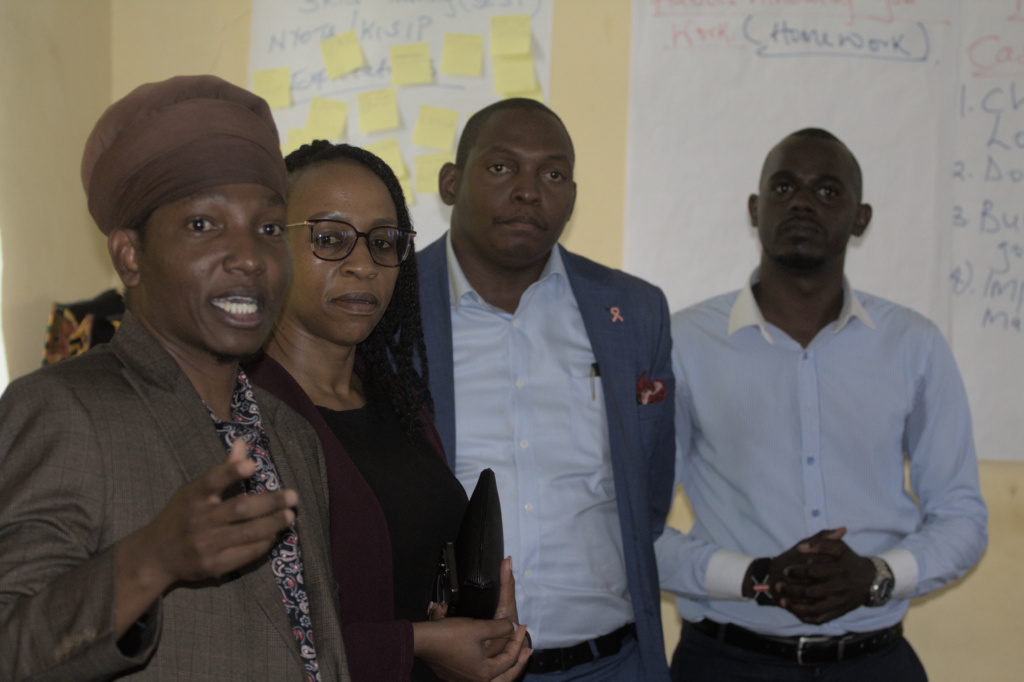
For local leadership, the issue sits at the intersection of environment and employment. Formalizing waste reclaiming, Mwaura notes, is not only about cleaning the town, but it is also about recognizing a workforce that has always been part of the solution.
On the ground, much of that recognition begins with organization. Environmental activist Sankara Nyagaya has spent months moving across Ngong, bringing waste reclaimers together, encouraging them to form groups, and linking them to initiatives like this one.
“There is a need to improve the living standards of waste reclaimers and enable them to earn dignified livelihoods,” he says. “This will bring change for society, since we have youth, women, and the elderly in this business.”
He also points to deeper social challenges, including substance abuse among some workers, calling for collaboration with agencies such as NACADA to address them. It is a reminder that the sector does not exist in isolation; it reflects broader social realities.
From Ngong to the Nairobi River
The implications of this work are set to extend beyond Ngong. Environmental groups, including Green Connect, are beginning to link reclaimers’ efforts to larger ecosystem restoration goals, among them, the cleanup of River Ngong and, ultimately, the Nairobi River.
“Let’s come together, walk the talk, hand in hand, and we shall achieve the targets set. Above all, we stand a chance of being the team that cleans River Ngong, which contributes to cleaning the Nairobi River,” said Timothy Kariuki from Green Connect.
As noted by the group’s patron, Grace Kimotho, the journey begins with recognition, starting with referring to waste pickers as waste reclaimers, and building systems that support their work. She also hinted at the possibility of a recycling plant in Ngong, a move that could further expand job opportunities in the area.
It is an ambitious vision: one where organized reclaimers form the backbone of a circular economy, reducing waste at source while restoring degraded environments. For now, that future remains in formation.
A shift taking root
As the sessions wind down, small but meaningful changes are already visible. Waste reclaimers exchange contacts. Groups begin to take shape. Conversations move from individual struggles to shared plans.
Although there is no immediate transformation, no sudden resolution to the challenges they face, there is something else: recognition.
A sense that the work they have always done, quietly and persistently, is beginning to be seen differently. In Ngong, waste is still present, but so is the possibility that those who collect it may no longer remain invisible.


