
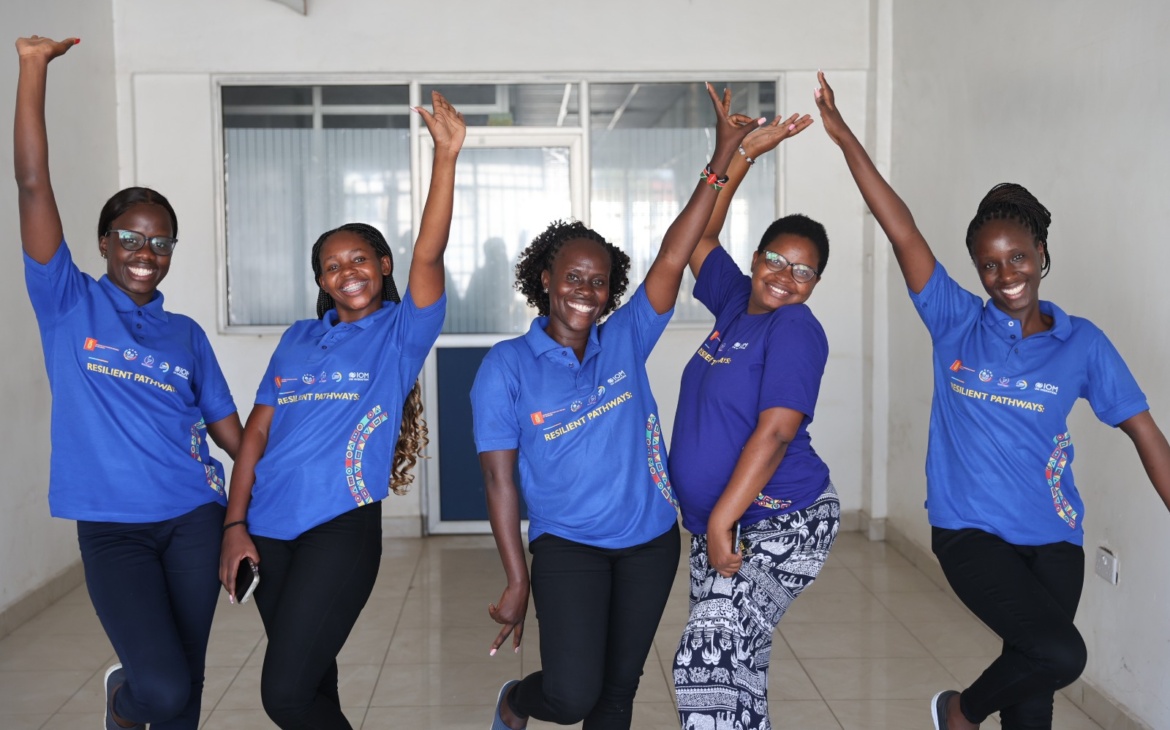
My visit to Kisumu remains remarkable, anchored by an encounter with Dreams Redefined CBO, formerly known as Dreams Girl Youth Group, a women-led and youth-driven community-based organization operating in Kisumu, Kenya.
The organization stands as a clear testament that Africa’s youth are not waiting in the face of climate shocks; they are actively designing and driving solutions to confront them.
Rooted in Nyalenda, an informal settlement highly vulnerable to flooding, poor waste management, and rising temperatures, Dreams Redefined CBO has, since its inception in 2017, embedded itself at the heart of community transformation.
From advancing economic empowerment to promoting health and well-being, the organization is now carving a strong niche within climate action, placing women and girls at the center of resilience-building efforts.
According to the founder, Yvonne Ogolla, the organization is run entirely by young people under the age of 35, with a deliberate focus on meaningful youth engagement.
“When I say youth are the majority, I am referring to the young women and girls in our communities in Nyalenda,” she notes, emphasizing that those most affected must be at the forefront of designing solutions.
“There can be nothing for us without us.”
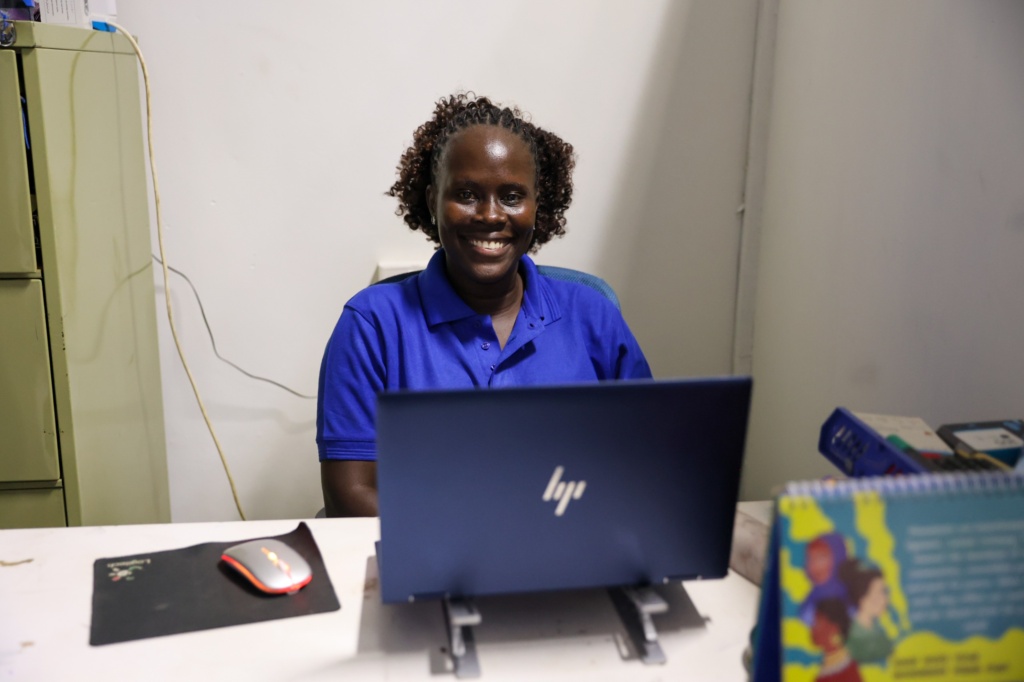
That philosophy is echoed by Ruth Atieno, an assistant project manager of Women Waves of Change, who joined the organization as an intern from Rangwe Technical Institute. She describes her journey as one of growth and transformation, gaining both confidence and purpose through hands-on community engagement.
From organizing clean-up exercises and unclogging drainage systems to educating residents on financial independence through savings initiatives, Ruth says the experience has deepened her understanding of how local action can drive sustainable change.
From Flood Risks to Resilient Pathways
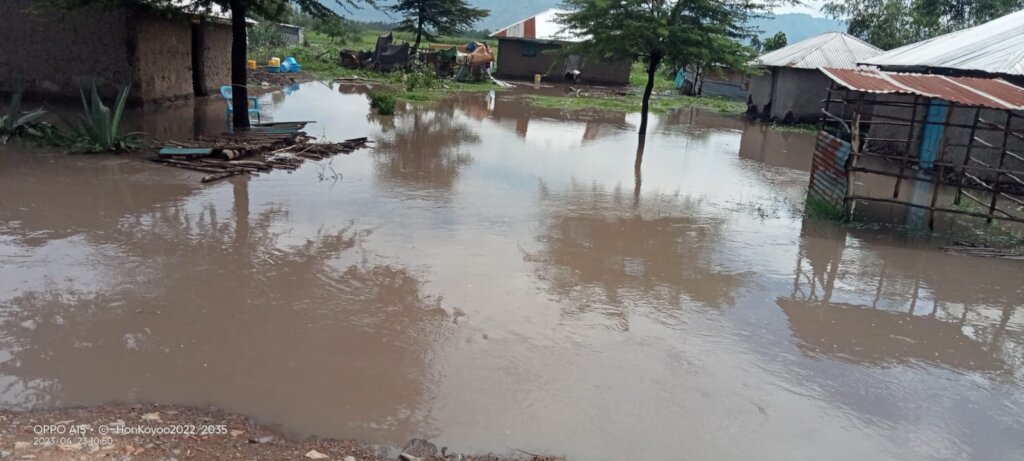
In Nyalenda, climate change is not an abstract concept; it is a lived reality. During heavy rains, households are frequently displaced as homes flood, water sources become contaminated, and livelihoods are disrupted.
These recurring shocks often force residents into distress migration, with little information or support to guide their decisions.
It is this context that shapes Dreams Redefined’s flagship intervention: “Resilient Pathways: Empowering Communities Amid Climate Mobility.” The initiative targets over 300 women and youth across 20 community groups, equipping them with green livelihood skills while strengthening their capacity to make informed and dignified mobility decisions.
Supported by a $15,000 (KES 1.9 million) grant from the International Organization for Migration (IOM), the project integrates economic empowerment with environmental action.
Through training in eco-brick production, sustainable waste management, and reusable sanitary pad manufacturing, participants are not only generating income but also actively reducing environmental risks within their community.
Already, the initiative is projected to produce over 1,000 eco-bricks from plastic waste, which are being deployed to reinforce drainage channels and improve water flow, directly addressing the flooding that drives displacement.
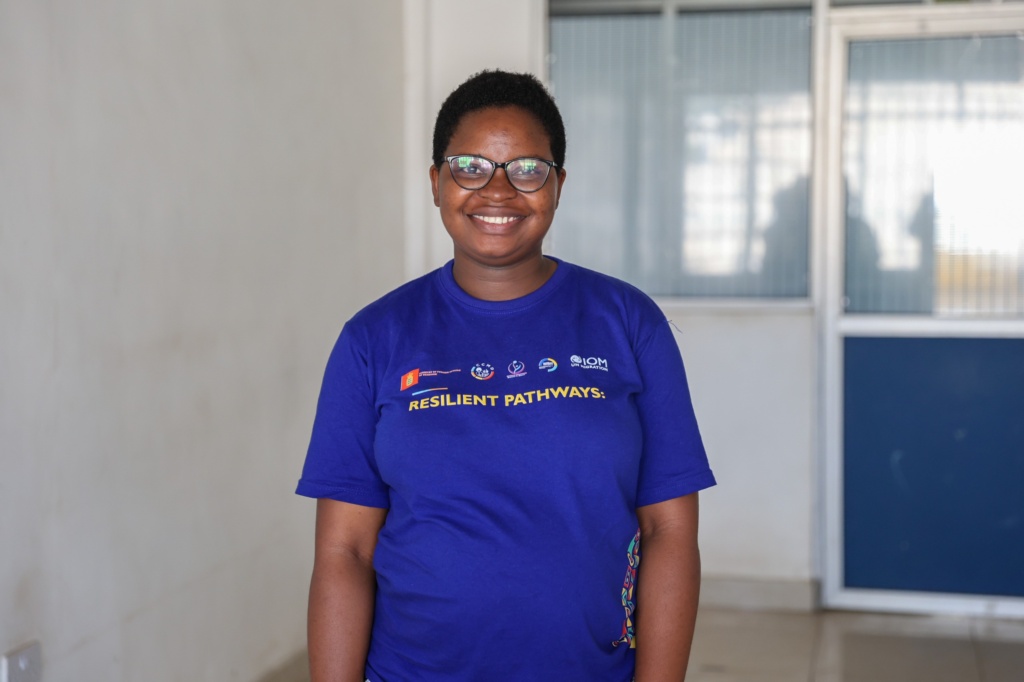
Mary Risper Atieno, who leads economic empowerment initiatives within the organization, emphasizes the urgency of preparedness.
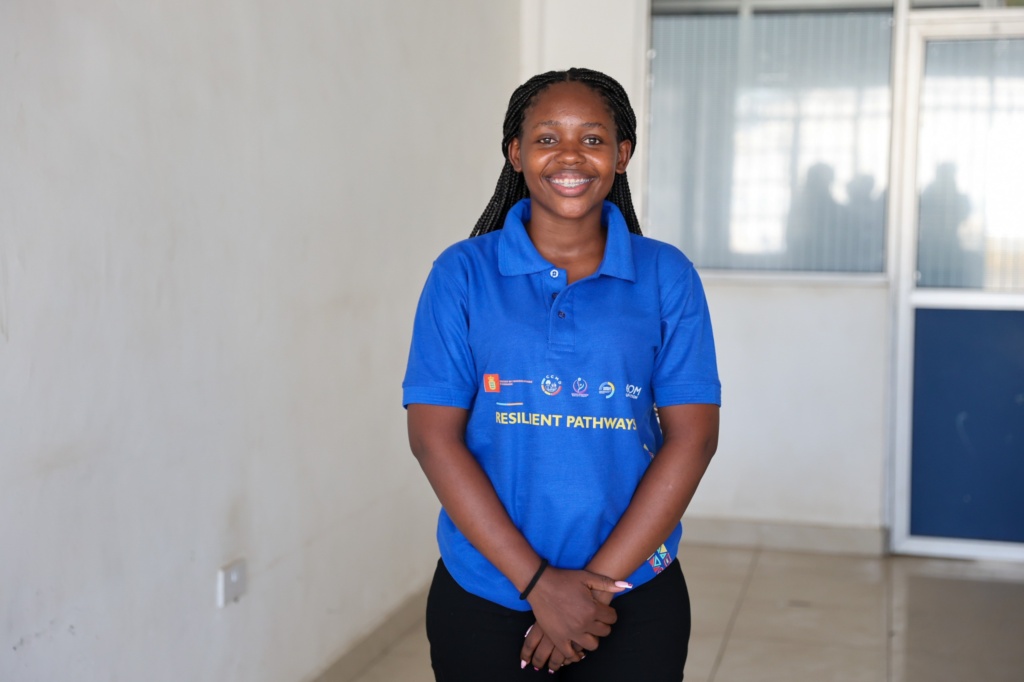
“When it comes to climate mobility issues like flooding, from Lake Victoria backflow to rivers like Nyamasaria bursting, communities need to be ready,” she explains.
Her work focuses on equipping young women with practical skills, entrepreneurship opportunities, and financial literacy, tools that not only build income but also reduce vulnerability to climate shocks.
Livelihoods as a Shield Against Displacement
At the core of Dreams Redefined’s approach is a simple but powerful idea: economic resilience reduces forced migration, giving young women and girls more safety.
By linking community members to income-generating activities, such as eco-brick production and reusable sanitary pad manufacturing, the organization is enabling households to better withstand climate impacts.
The reusable pads initiative, in particular, doubles as both a health and economic intervention, improving menstrual hygiene while creating marketable products that enhance women’s financial independence.
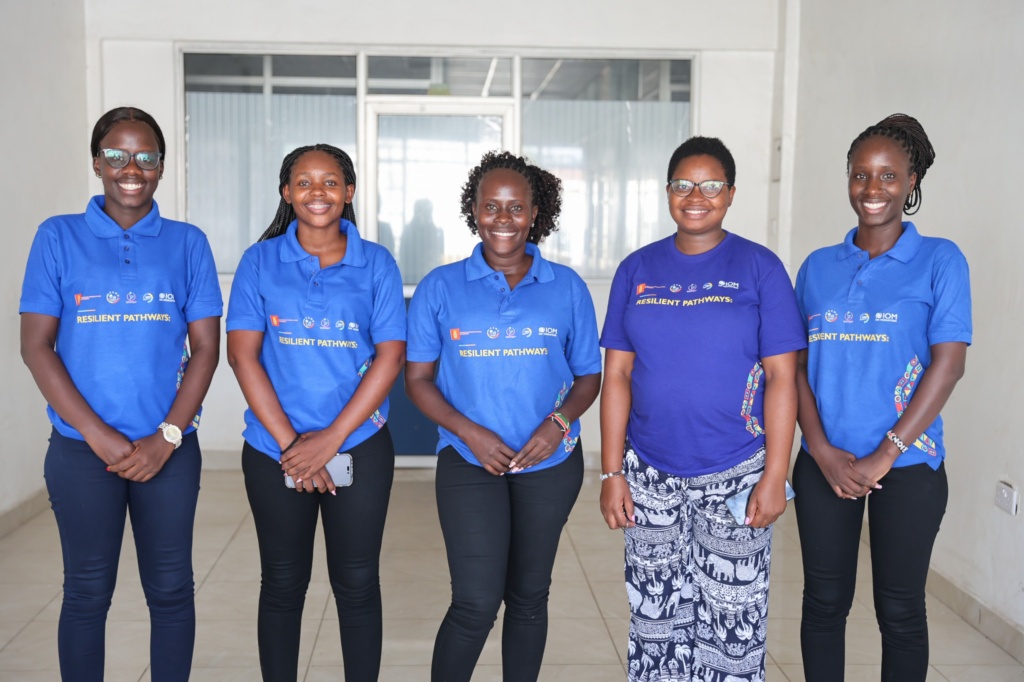
Through structured trainings, access to starter kits, and market linkages, participants are gradually transitioning from vulnerability to agency, shifting from reactive displacement to proactive adaptation.
The initiative also incorporates community clean-ups, tree planting, and waste collection campaigns, ensuring that environmental restoration goes hand in hand with livelihood creation.
Changing Mindsets, One Story at a Time
Yet, beyond infrastructure and income, one of the biggest challenges lies in shifting mindsets. Cultural attachment to ancestral land often makes relocation difficult, even when homes are repeatedly flooded.
To address this, Dreams Redefined is investing in climate mobility awareness and storytelling, creating safe spaces where community members can share lived experiences and explore adaptation options.
Through forums and youth-led storytelling sessions, participants are beginning to understand that mobility does not have to mean crisis; it can be planned, informed, and dignified.
Marion Adhiambo, who leads Sexual and Reproductive Health and Rights (SRHR) initiatives within the organization, sees the recent IOM grant as both validation and momentum.
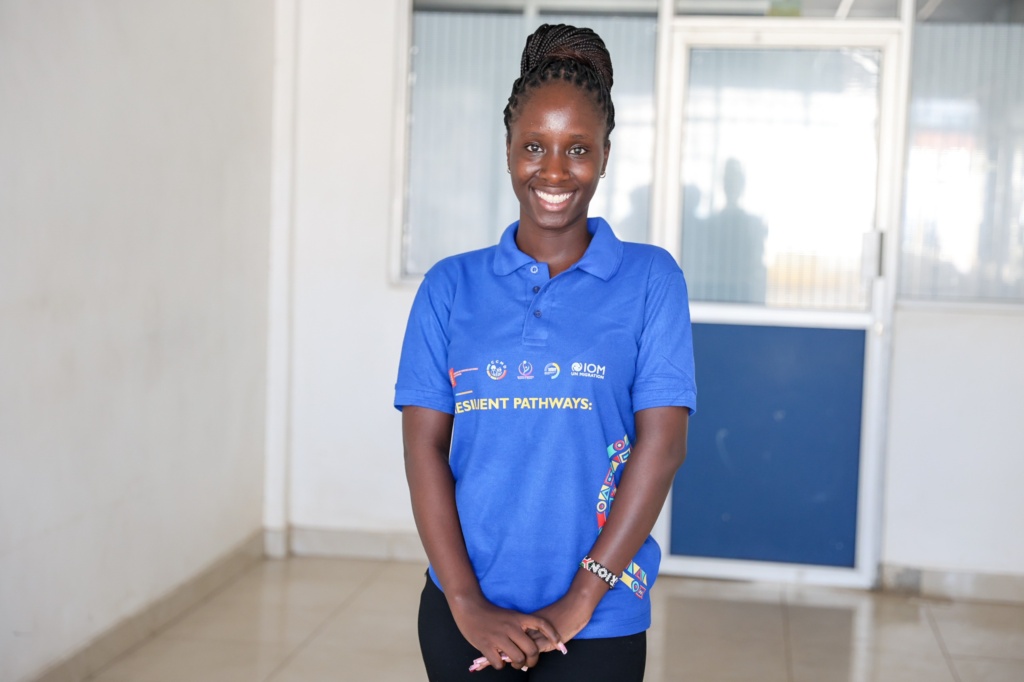
“This win is more than motivation, it is an affirmation of how critical our work is, not just in Nyalenda, but can be replicated across communities facing similar challenges,” she says.
A Model Rooted in Community, Built for Scale
Dreams Redefined’s work aligns with Kenya’s broader climate agenda, including the Climate Change Act and national adaptation strategies, while contributing to global goals such as climate action, gender equality, and sustainable cities.
Albeit perhaps its greatest strength lies in its grassroots foundation.
With over 90% of its members being women, and a strong culture captured in their slogan “Empowered to Empower,” the organization is proving that sustainable climate solutions do not need to come from outside; they can be built within communities, using local knowledge, local materials, and local leadership.
As climate pressures intensify, the model emerging from Nyalenda offers a compelling lesson: resilience is not just about surviving climate shocks; it is about equipping people with the tools, knowledge, and agency to shape their own futures.


