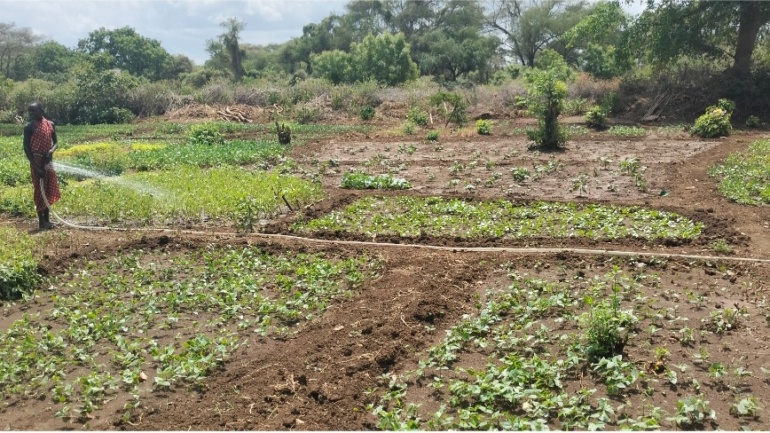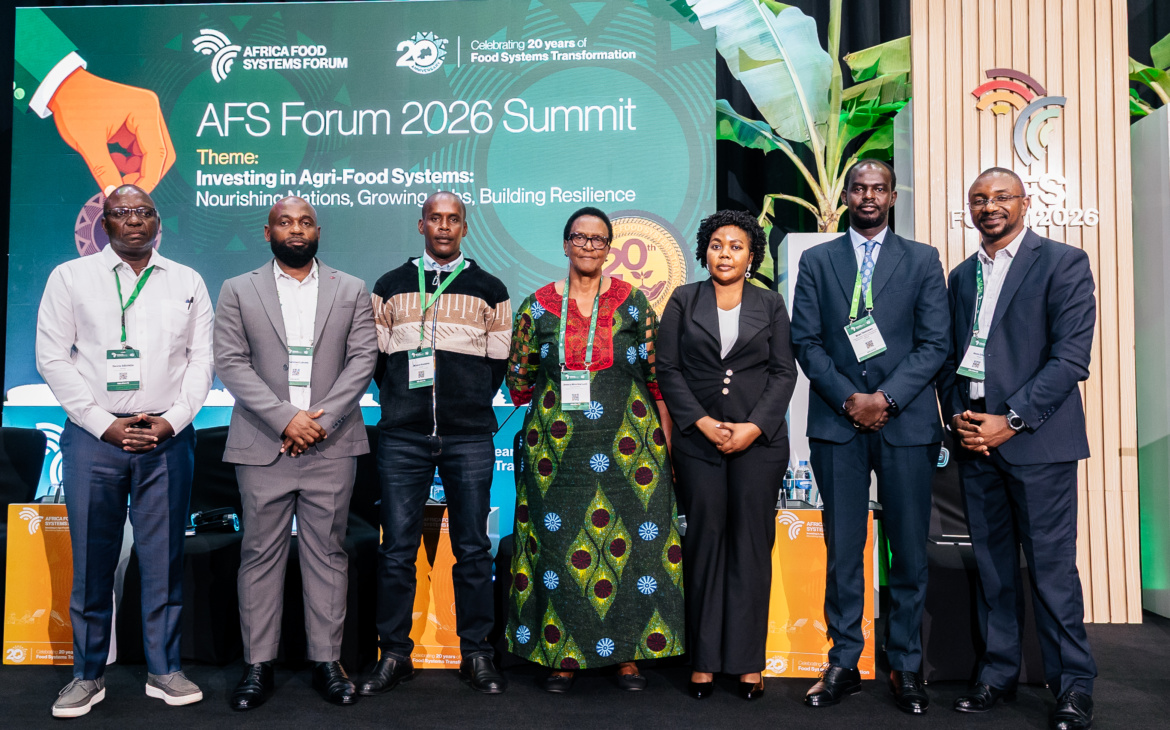
Across Uganda’s Cattle Corridor, solar-powered milk cooling is cutting energy costs, reducing losses and raising a bigger question for climate finance: can cleaner energy make smallholder businesses more resilient, and more investable?
Before milk can reach a processor, it has to survive a race against time. Across Uganda’s Cattle Corridor, smallholder farmers deliver fresh milk to collection and aggregation centres, many of them far from reliable grid electricity.
For years, diesel generators have helped keep the milk chilled. Although fuel and generator maintenance have added to the cost of doing business, unreliable power can leave cooperatives vulnerable to milk losses when cooling is delayed.
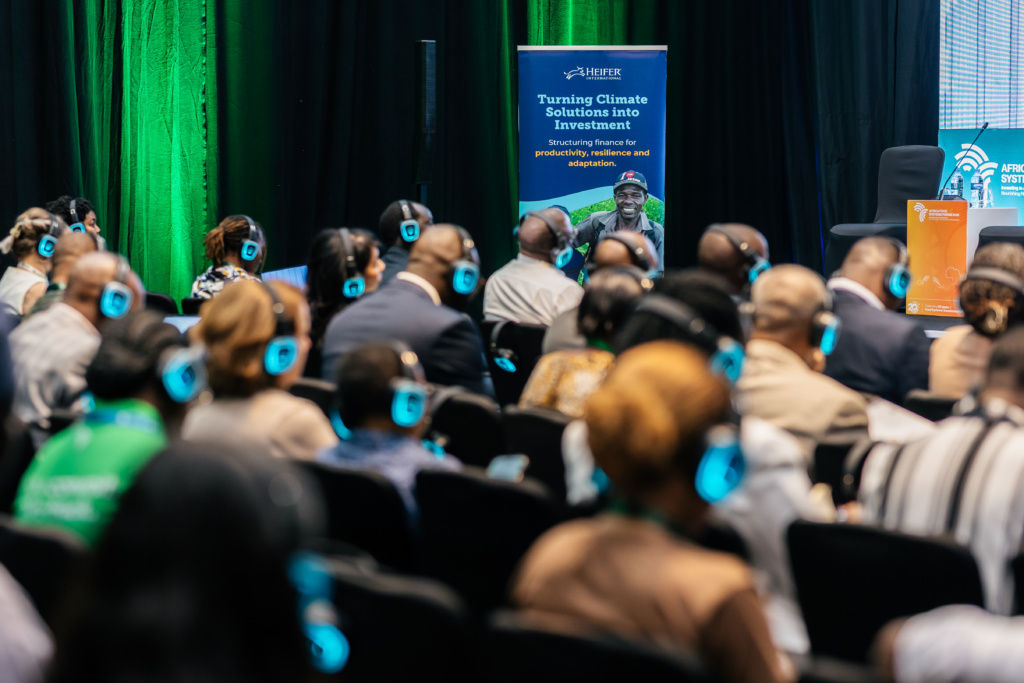
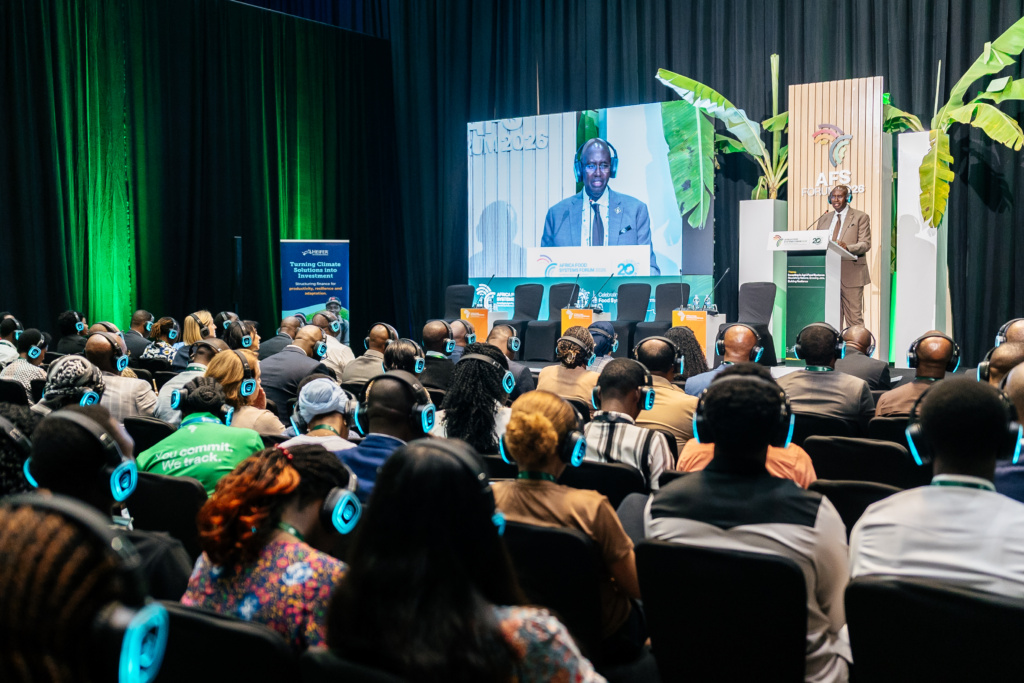
“We had these smallholder farmers collecting and aggregating milk, but because they were not connected to the main grid, we supported them to buy diesel generators,” says William Matovu, Country Director for Heifer International Uganda, during an interview with Climate Lens News on the sidelines of Africa Food Systems Forum 2026.
Heifer International has worked in Uganda for more than three decades, including across the dairy value chain. Its Solar for Sustainable Income in Dairy project is now testing whether cleaner and more reliable energy can do more than replace diesel, whether it can strengthen the economics of rural dairy businesses.
Swapping diesel for daylight
The approach is straightforward: replace diesel-powered chilling with solar systems that can support productive activities at rural dairy cooperatives.
The first installation was established at Migina Milk Collection Centre in Kiboga District, serving farmers linked to Dwaniro Dairy and Livestock Farmers Cooperative. Solar systems were later commissioned at Nabitanga Dairy Cooperative in Ssembabule District and Kiryanyonza Milk Collection Centre.
At Migina, the reported results went beyond electricity.
Heifer says milk losses at the centre fell to zero. The cooperative was chilling about 197,321 litres of milk a month, worth approximately $49,682, while annual power costs were reported at about $18,170.
Heifer also reports a 42 per cent reduction in energy costs at Migina.
For farmers, reliable cooling means milk has a better chance of remaining in the value chain until it reaches a buyer. For cooperatives, lower energy costs can free resources for other operations. For processors, more dependable collection can mean a more consistent supply of quality raw milk.
Energy, in other words, becomes part of food-system infrastructure.
Uganda’s government is also placing greater emphasis on the connection between production, value addition and energy access.
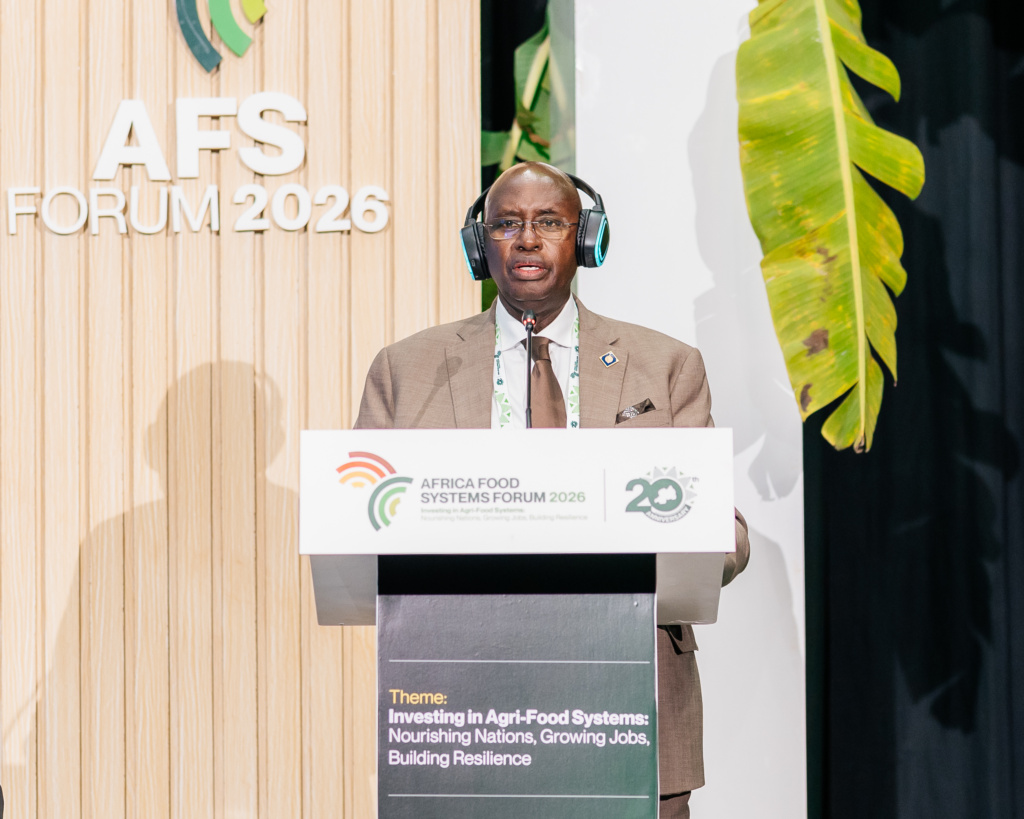
Hon. Lt. Col. (Rtd) Bright Rwamirama, Minister of State for Animal Industry, says the dairy sector can no longer be viewed simply as a household activity.
“Agricultural production and value addition are essential to the increment of production in the dairy sector,” Rwamirama says. “The dairy sector is no longer a household business.”
He says value addition can help address milk perishability while improving access to affordable energy at the local level.
“That is why solar has become a great venture for renewable energy at an affordable rate,” he says.
The message is increasingly clear: for rural agriculture, energy access is not only about lighting homes or powering machinery. It can determine whether farmers and cooperatives can preserve, process and sell what they produce.
When energy changes the economics
The potential impact becomes clearer at the cooperative level.
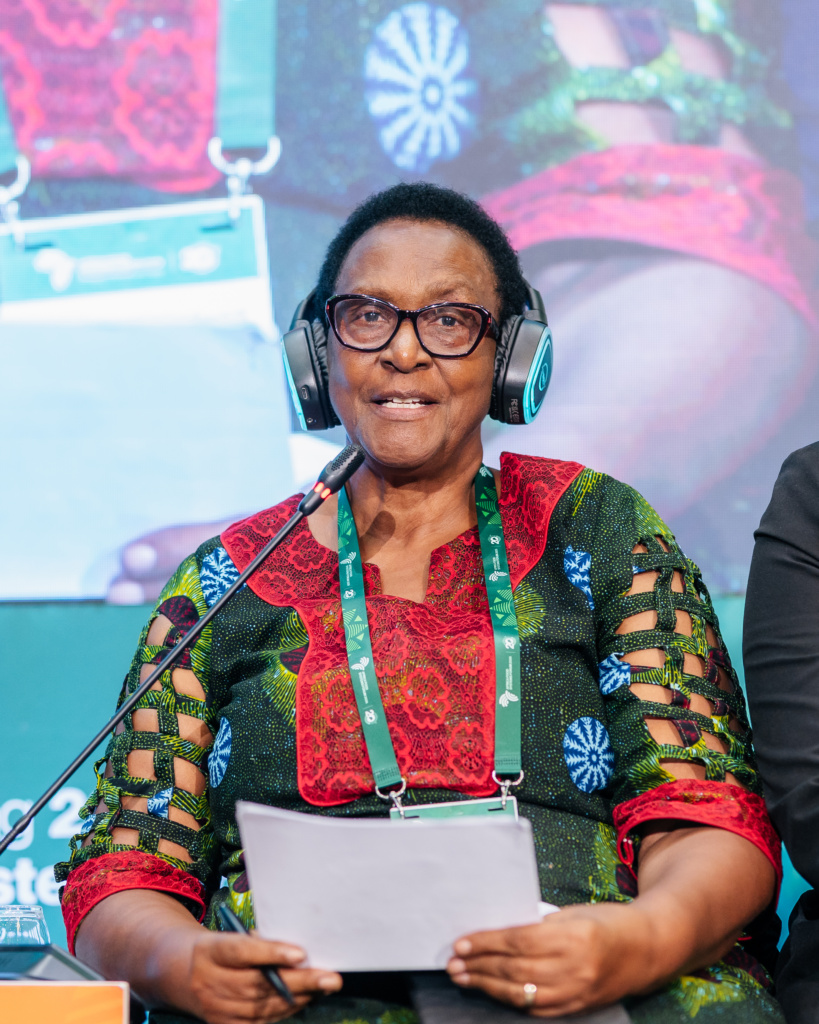
According to Jessica Mirembe Luzzi, vice chairperson of Dwaniro Dairy Farmers Cooperative, the cooperative was collecting about 6,000 litres of milk a day before the solar installations. Today, she says, collection has reached up to 8,000 litres a day across its three collection centres.
The increase represents a significant expansion in the volume moving through the cooperative, although the cooperative’s experience alone does not establish that solar was the only factor behind the growth.
Luzzi says the improved operations have also strengthened the cooperative’s ability to access financing.
“Today we can access loans from banks like Stanbic since they have the equipment that makes their operations seamless,” she says.
The financing has allowed the cooperative to direct more resources towards farmers and their needs.
Luzzi says the cooperative has also been able to stock veterinary medicines that farmers can access on a pay-later basis, easing some of the costs of keeping cattle productive.
“Using solar protects milk quality, strengthens the farmer confidence in the facility as it offers opportunities for expansion as a cooperative,” she says.
This is where the solar story becomes a finance story.
A dairy cooperative with lower energy costs, more reliable chilling and growing milk volumes can potentially become a stronger business. And a stronger business may be better positioned to engage with commercial lenders. But moving from that possibility to widespread investment remains a challenge.
The finance question
For Matovu, the most consequential lesson from the project may not be technological but financial.
The challenge, he says, is creating an ecosystem in which farmers, cooperatives, solar companies, processors, banks and development partners can participate in the same investment model.
The Uganda project brought together Heifer International, renewable-energy companies, impact investors, financiers, dairy cooperatives and processors to demonstrate whether solar-powered milk chilling could work commercially.
Rural agricultural businesses can carry risks that make commercial lenders cautious, and that is where blended finance comes in.
“You need philanthropic money to get on board so that then it can as well get combined with what we call private sector money or commercial finance,” Matovu says.
The idea is that concessional or philanthropic capital can absorb some of the early risks associated with rural agricultural investments, making it easier for commercial finance to enter markets that may otherwise be considered too risky.
The question is whether that model can move beyond a handful of demonstration sites.
The African Development Bank estimates that agri-food small and medium-sized enterprises face an annual financing gap of about $180 billion. These businesses account for about 65 per cent of food consumed on the continent, according to the Bank.
If clean-energy investments can strengthen the businesses operating within these value chains, they could help unlock finance for both agricultural development and climate action. However, that depends on more than installing solar panels.
A dairy story with continental stakes
Uganda’s experience comes as Africa continues to confront a major food-security challenge.
In 2025, 56.6 per cent of Africa’s population experienced moderate or severe food insecurity, according to the Food and Agriculture Organisation, while about 309 million people experienced hunger.
Although the continent recorded its first improvement in food insecurity in a decade, the scale of the challenge remains significant.
For a continent trying to feed a rapidly growing population, reducing losses between the farm and the market is as important as increasing production.
That makes seemingly local infrastructure problems, such as how a rural cooperative keeps milk cold, part of a much larger food-systems equation.
When electricity is unreliable or expensive, farmers and cooperatives face higher operating costs and greater exposure to losses. When affordable renewable energy becomes available, some of those constraints can be reduced.
Solar, however, is not a solution to every challenge facing African agriculture.
Scaling the model will require affordable technology, reliable maintenance, functioning cooperatives, dependable markets and financial institutions willing to lend. It will also require policies that make productive-use renewable energy easier to finance and deploy.
From pilot to scale
The real test for Uganda’s solar-powered dairy model is therefore not whether it can work at individual collection centres.
It is whether the approach can be replicated across thousands of rural agricultural businesses without development partners indefinitely carrying the first risk.
That will require partnerships. Matovu says Heifer’s ambition of reaching millions of smallholder farmers cannot be achieved by one organisation working alone.
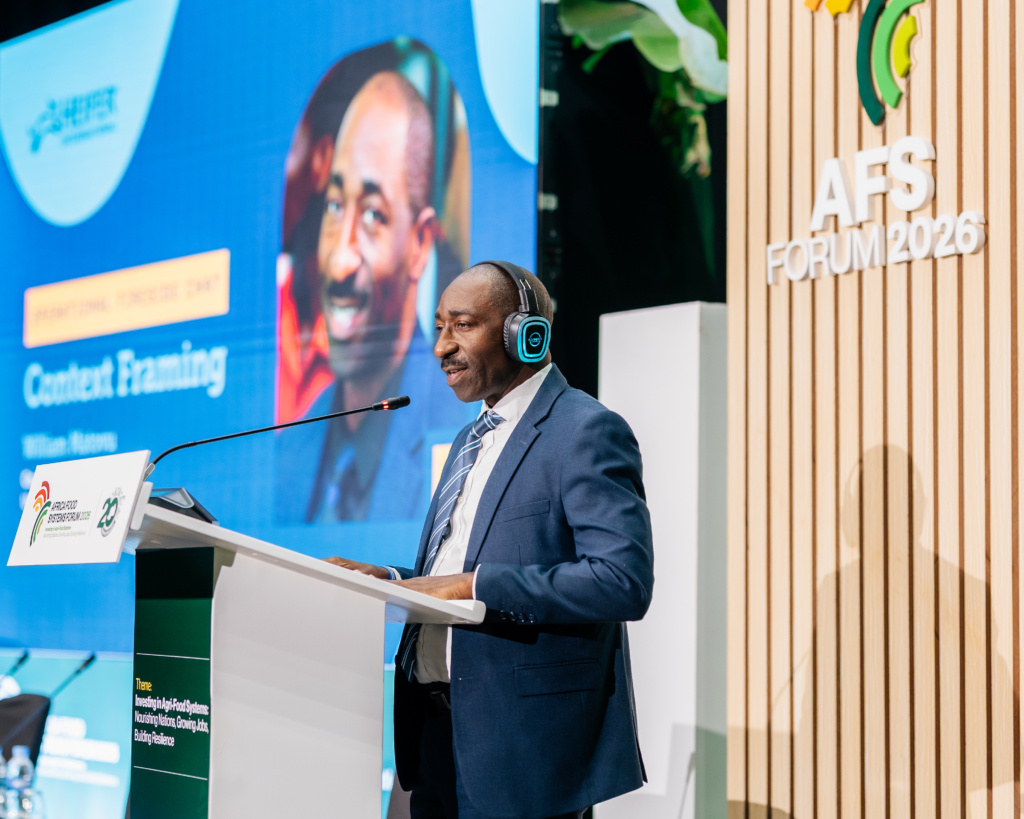
“You cannot be able to engage all that number of smallholder farmers without partnering with ecosystem players,” he says. “And that’s why we are here, to engage with those who matter.”
Along Uganda’s Cattle Corridor, the transition from diesel to solar is therefore about more than changing the source of electricity.
It is about whether cleaner energy can lower the cost of doing business, reduce food losses, strengthen farmer organisations and help rural enterprises become more attractive to commercial finance.
For Africa’s food systems, that distinction matters, since the continent needs to produce more food, lose less of what it already produces and attract far greater investment into the businesses that connect farmers to markets.
In Uganda, the technology is already being tested.
The bigger test is whether the finance can follow, and whether a solution proven at a few dairy centres can become infrastructure for a much larger generation of African smallholder businesses.
Author Profile

-
Seeker.
Inspire AFRIKA.
Latest entries
 Corporate15 October 2026Water, Sanitation and Digital Learning at the Centre of Garissa School Upgrade
 Agriculture14 October 2026Africa’s Food Systems Future Depends on Listening to Farmers
 Weather Forecasts13 October 2026Rain and Rising Temperatures Forecast Across the Greater Horn of Africa
 Climate9 October 2026Beyond Negotiations: Africa Expects Concrete Outcomes from Antalya