For years, farming families in Kapoeta County, Eastern Equatoria State, relied on experience, traditional knowledge, and seasonal expectations to decide when to plant. However, increasingly unpredictable weather patterns have disrupted these practices, leaving many farmers facing repeated crop failures, food insecurity, and financial hardship.
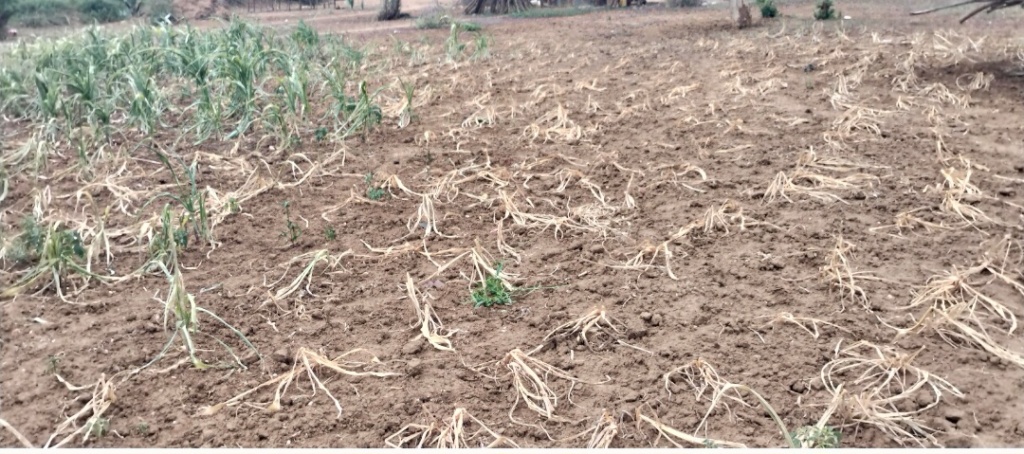
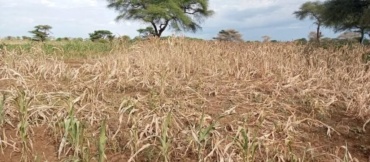
One of those farmers is Regina Nakai, who watched her maize and sorghum wither after prolonged dry spells. Like many others, she planted based on historical rainfall patterns, only to see climate variability undermine months of hard work.
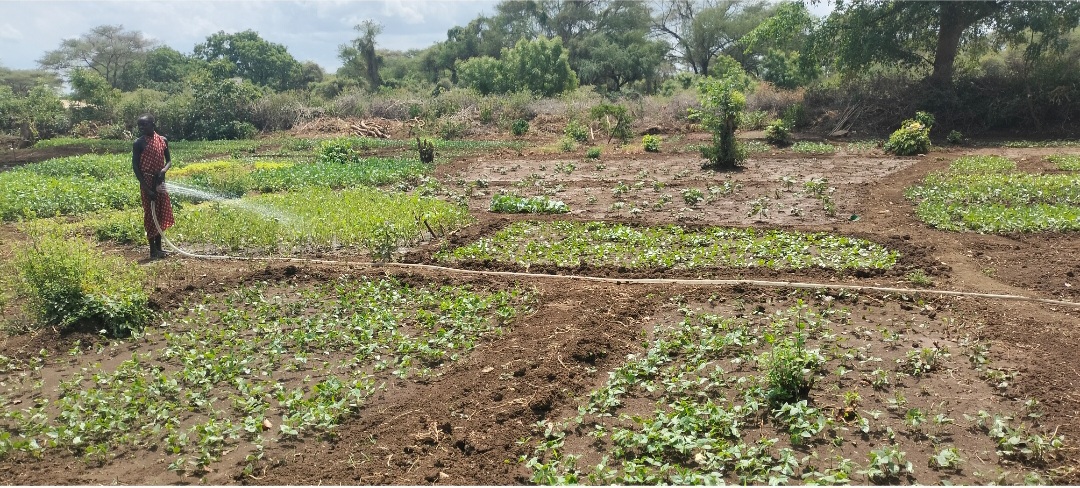
Another farmer, Santino Lule, resorted to drawing groundwater to irrigate his crops, an expensive and labour-intensive strategy that reflected the growing challenges rural communities face as droughts become more frequent.
A turning point came through the WISER Pan African Seasonal Strengthening (PASS) Initiative, which strengthened the delivery of climate information by connecting meteorological services with the media.
Journalists were trained to communicate seasonal forecasts using the Seasonal Media Action Plan (SMAP), translating scientific weather information into practical advice that farmers could easily understand and apply.
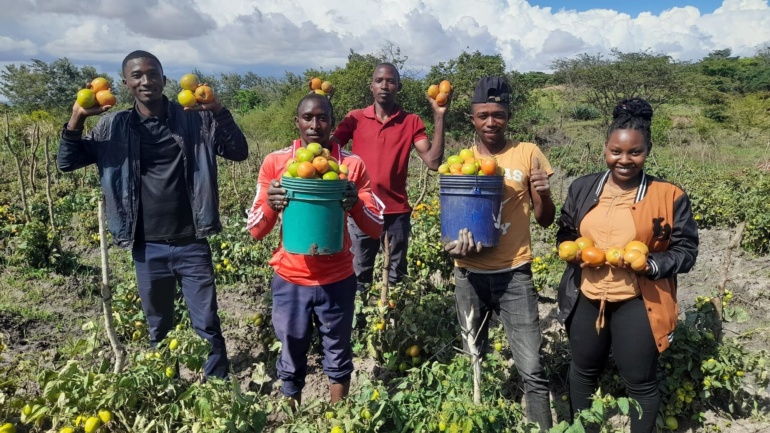
Among those who embraced the information was Mary Lokiru. After listening to seasonal forecasts, she made the decision to delay planting until rainfall conditions became favourable instead of following the traditional planting calendar. The decision proved transformative.
Her crops established successfully, resulting in a better harvest, improved household food security, and additional income for her family. Inspired by her success, neighbouring farmers also began incorporating climate information into their agricultural planning, creating a ripple effect of peer-to-peer learning across the community.
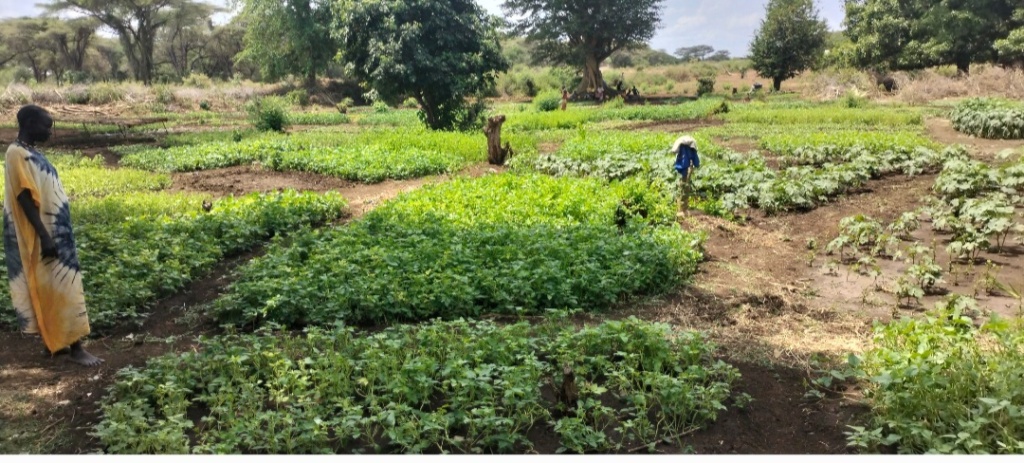
Today, climate information is changing how farming decisions are made in Kapoeta. Rather than reacting to failed rains, farmers are proactively adjusting planting dates, selecting more suitable crops, adopting climate-smart agricultural practices, and investing in improved water management.
These changes are helping households reduce climate-related losses while strengthening their resilience to increasingly variable weather conditions.
This story demonstrates that the value of seasonal forecasts extends beyond producing scientific information. When climate information is localized, communicated through trusted channels such as community radio, and combined with practical agricultural advice, it empowers farmers to make informed decisions that protect livelihoods and improve food security.
“Using the seasonal forecast helped me wait for the right time to plant. My harvest improved, and I now encourage other farmers to use climate information before making decisions.” Mary Lokiru reflects
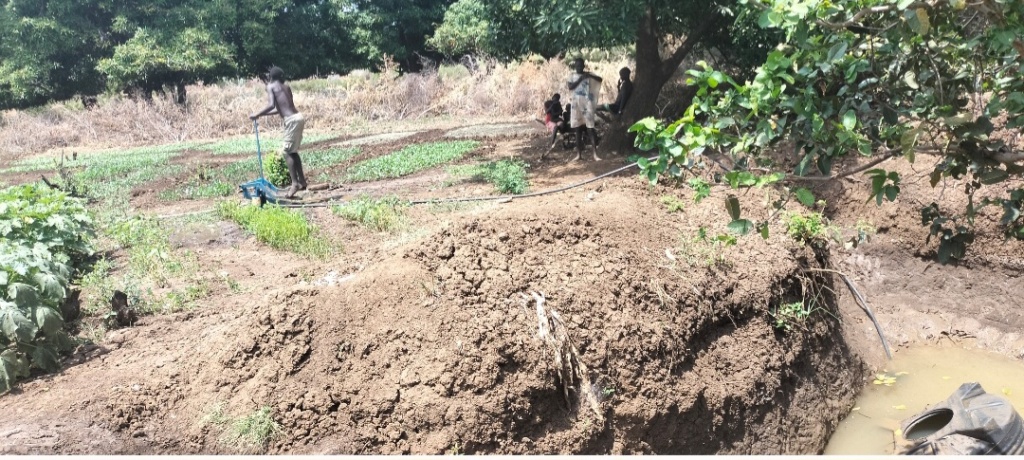
The experience from Kapoeta highlights the importance of expanding localized forecasting services, strengthening community radio dissemination, promoting climate-smart agriculture and irrigation technologies, and deepening collaboration between meteorological agencies, agricultural extension services, journalists, and farming communities.
Together, these efforts are enabling rural households not only to adapt to climate change but also to build a more resilient farming way and a food-secure future.
Author Profile

Latest entries
 Climate18 August 2026GHACOF 74: Regional Leaders Call for Stronger Climate Action as El Niño Risks Loom
 Climate11 August 2026Climate Change Leaves Lake State Farmers Watching Their Crops Wither
 Food6 August 2026Eight Die of Hunger as Food Crisis Deepens in South Sudan’s Lafon County
 Agriculture7 July 2026Double Threat to Food Production: Drought and Suspected Locust Invasion Alarm Farmers in Eastern Equatoria