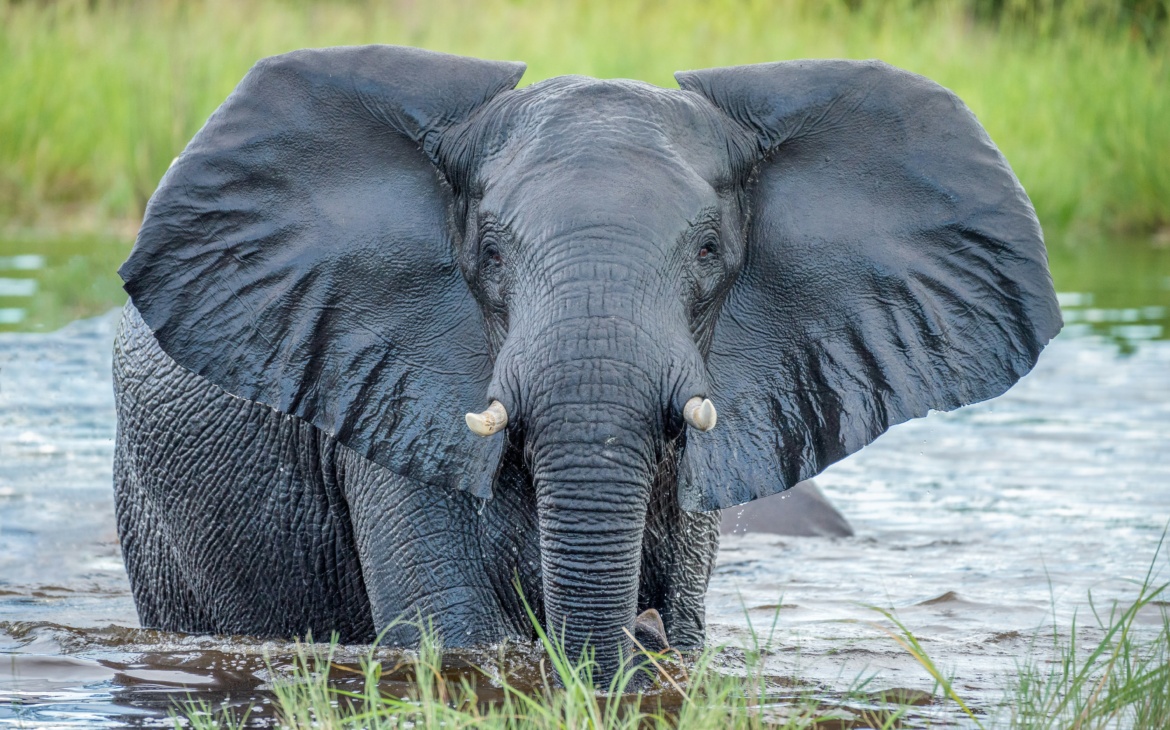
For more than a decade, Africa’s elephant conservation story was dominated by one urgent objective: stop the killing.
Poaching, ivory trafficking and illegal wildlife trade drove international attention, conservation funding and enforcement efforts across the continent. As monitoring systems accumulated a decade of evidence, the picture began to change.
The latest African Elephant Action Plan now places reducing human-elephant conflict as its priority objective, ahead of reducing illegal killing and illegal trade. The plan also recognises habitat connectivity, community engagement, knowledge and sustainable financing as central parts of elephant conservation.
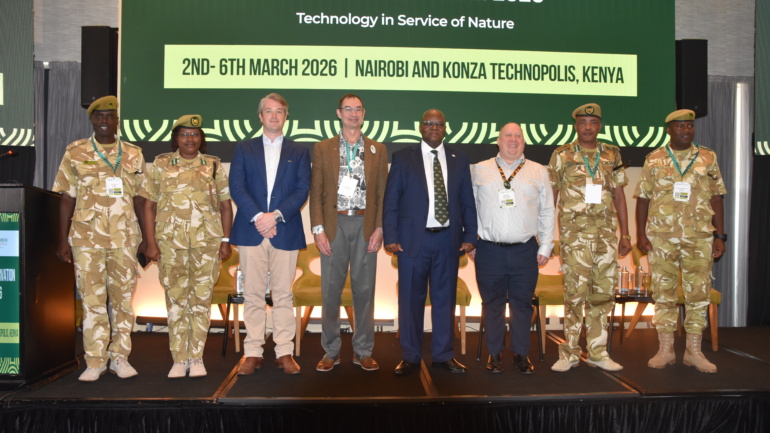
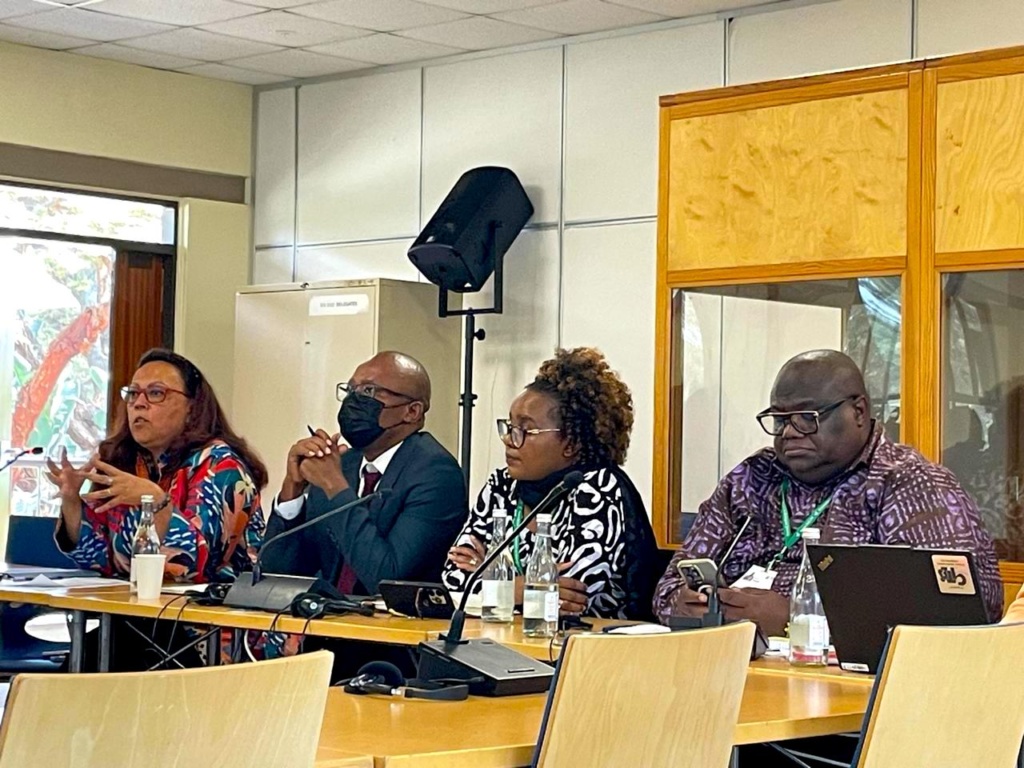
For Dr Patrick Omondi, CEO of the Kenya Wildlife Research and Training Institute, speaking during the Convention on Biological Diversity’s Subsidiary Body on Scientific, Technical and Technological Advice (SBSTTA 28) and the seventh meeting of the Subsidiary Body on Implementation (SBI 7), the shift was visible in the data.
“When we were setting up this program was to stop killing, and we were able to do that because we had data,” Omondi said during a recent discussion on elephant monitoring. “Then 10 years later we looked at our data, and we realised now human-elephant conflict is priority number one.”
The significance of the change lies not simply in the new priority. It is in what produced it: sustained monitoring that allowed conservation authorities to see that the nature of the problem was changing.
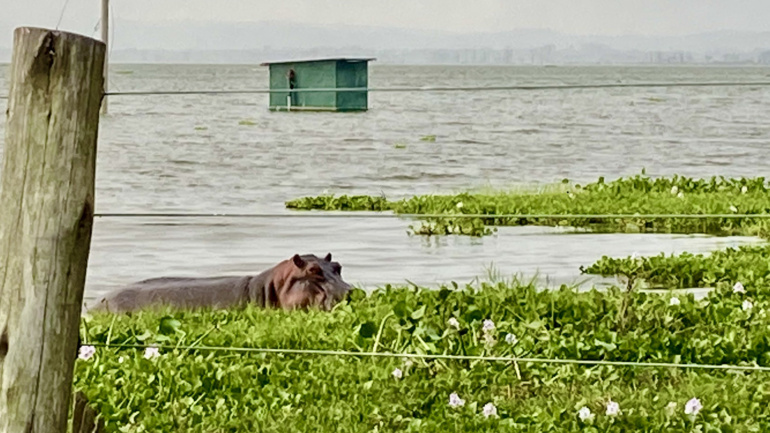
Kenya illustrates this complexity through its 2023–2032 National Elephant Action Plan, which records an estimated 36,280 elephants in 2021, up from about 16,000 in 1990. The population is spread across savannah and forest ecosystems and different forms of land management.
The same national plan identifies human population growth, infrastructure development, expanding agriculture, landscape fragmentation and increasing livestock grazing among the pressures shaping elephant conservation.
That means the question is no longer only whether elephants are being killed illegally.
Dr Sospeter Kiambi, Kenya’s CITES MIKE National Focal Point, encountered that complexity while conducting his PhD research on human-elephant coexistence in a post-urban landscape.
He began the study in 2020 with an expectation that global closures of domestic ivory markets would cause elephant poaching to fall “drastically and uniformly” across range states.
The evidence was less uniform.
“We realised that these global blanket policies are not benefiting range states uniformly,” Kiambi said. “Yes, we had a decline in poaching in some range states, but poaching was sustained in other states.”
His research drew on MIKE, Monitoring the Illegal Killing of Elephants, as well as the African Elephant Database and other standardised datasets.
That matters because MIKE was designed precisely to identify trends in illegal elephant killing across Africa and Asia. CITES describes it as a long-term system intended to measure changes in illegal killing and assess trends in elephant populations.
More than two decades of field monitoring have now created a substantial evidence base. CITES says MIKE’s African network had expanded to 69 sites by 2021, covering more than half of the African elephant population, with standardised methods for data collection and analysis.
The programme has also begun to demonstrate why such data has value beyond counting poached animals.
CITES reported in 2025 that MIKE data is increasingly being used to identify emerging threats, including human-elephant conflict and the effects of climate change on elephant populations.
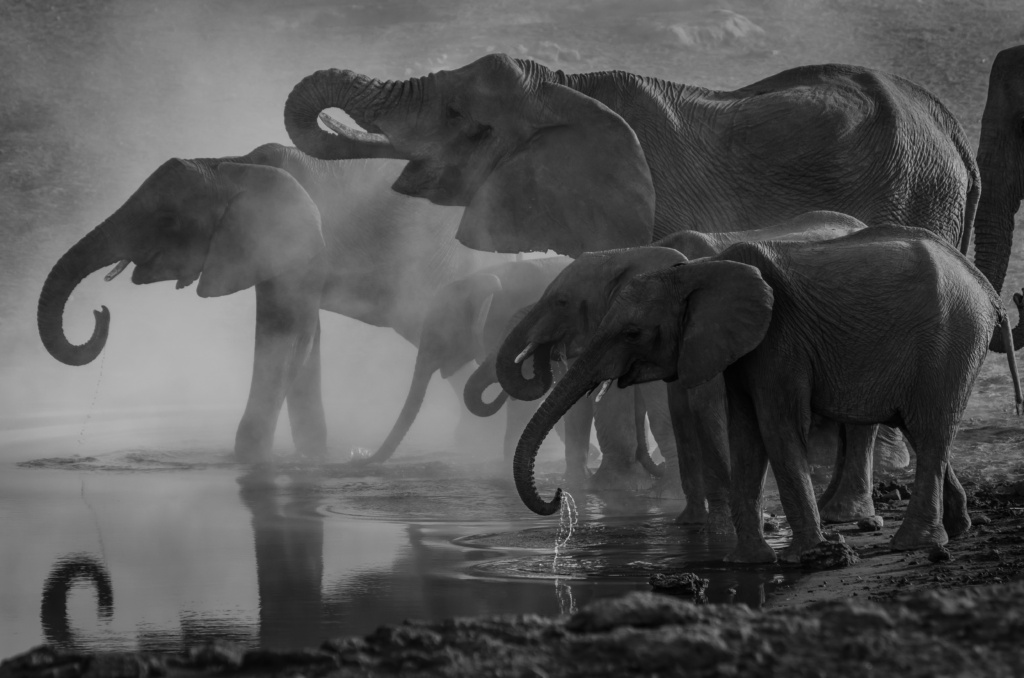
For Kiambi, however, the quality of the information depends on what happens before it reaches an international database.
Kenya’s elephants occupy national parks, government-managed areas, game reserves, community and private conservancies and people’s land. Four broad groups contribute to data collection: government, community and private conservancies, county governments and conservation partners.
“Maintaining a standardised high-quality data becomes an issue for the country,” Kiambi said, particularly given the volume of information entering the MIKE programme.
That process is important because a national conservation strategy is only as strong as the information behind it. It is also expensive.
Omondi cited the Tsavo Conservation Area as an example of the scale involved. The conservation landscape is larger than Rwanda and contains Kenya’s largest elephant population and largest protected area, making the collection and verification of reliable information a substantial investment.
“Sustainable monitoring goes with sustainable investment,” he said.
That financial question becomes more important as conservation priorities broaden.
The original fight against poaching required intelligence, patrols, law enforcement and monitoring of elephant mortality. The coexistence challenge requires a wider information base capable of understanding elephant movement, land-use change, community exposure and emerging conflict.
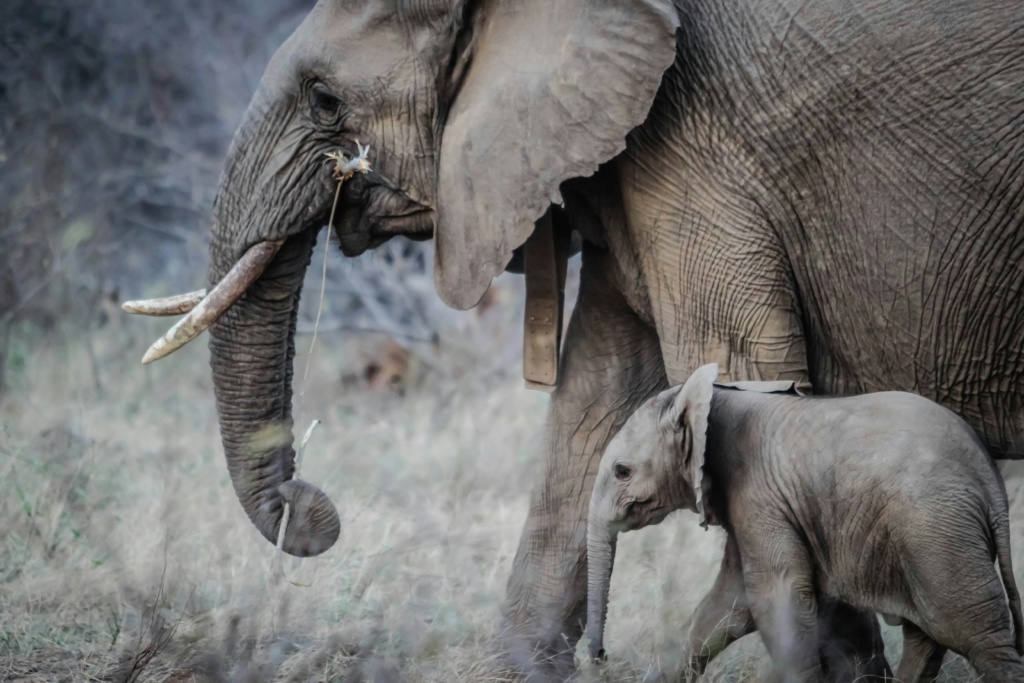
The African Elephant Action Plan reflects that broader agenda. Its priority is now reducing human-elephant conflict, while habitat connectivity, community participation, knowledge and financing are also explicit objectives.
The shift also aligns with the Kunming-Montreal Global Biodiversity Framework, whose Target 4 calls for effective management of human-wildlife interactions to minimise conflict for coexistence.
Yet the data itself offers a warning. Omondi pointed to the northern white rhino as an example of the consequences when conservation responses come too late, arguing that scientific monitoring must identify threats early enough for intervention to make a difference.
Africa’s elephant strategy is therefore not abandoning the fight against poaching.
It is recognising that saving elephants from illegal killing has created a different conservation problem: ensuring that surviving populations can move through increasingly crowded landscapes without turning their recovery into a new source of conflict.
The first question was how to stop the killing. The next is how to make survival possible alongside people. And, once again, the answer begins with data.
Author Profile

-
Seeker.
Inspire AFRIKA.
Latest entries
 Biodiversity26 October 2026Beyond Biodiversity Finance, A Justice Gap Governments Must Confront
 Biodiversity24 October 2026Faith Leaders and Civil Society Call for Stronger Partnerships to Restore Nature
 Biodiversity23 October 2026Inside Kobe’s Grassroots Effort to Train the Next Generation of Biodiversity Leaders
 Animals23 October 2026As COP17 Meets, World’s Rarest Great Ape Faces a Make-or-Break Test in Indonesia