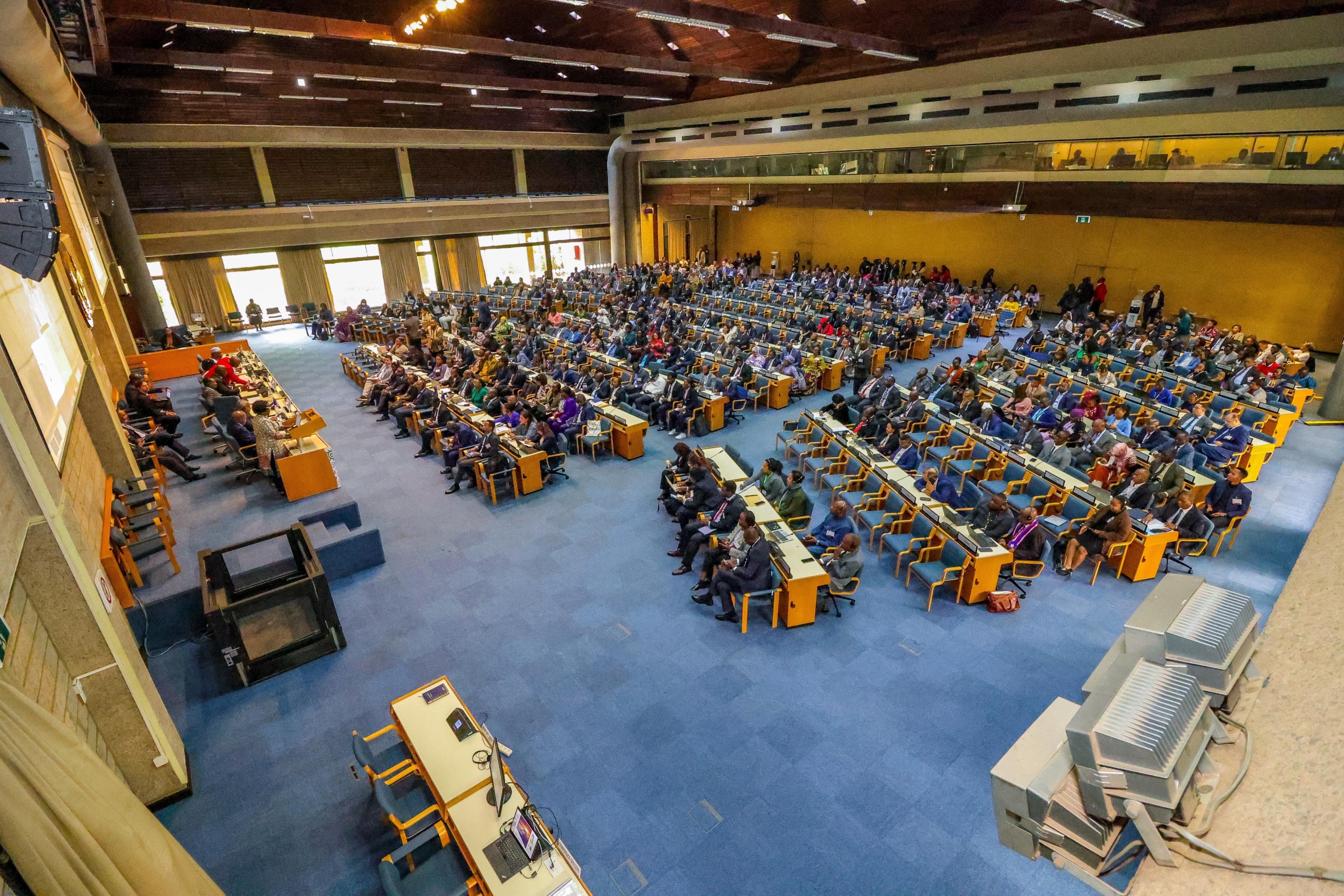
The recently concluded SB62 climate talks in Bonn missed a critical opportunity to raise the ambition of Nationally Determined Contributions (NDCs), largely due to the lack of political will by the G20.
NDCs are at the heart of the Paris Agreement, representing each country’s commitment to protect people, livelihoods, and ecosystems based on their capacities and responsibilities.
The G20 countries account for approximately 80% of global greenhouse gas emissions. While their historical responsibilities and current capacities vary, the concentration of emissions within these nations means they must lead the way with ambitious climate action.
Yet, despite a February deadline, only five G20 countries- Brazil, Canada, Japan, the UK, and the US (before the Biden administration’s rollback of some commitments) have submitted updated NDCs.
Transformative NDCs should serve as comprehensive action plans encompassing mitigation, adaptation, loss and damage, just transition, and alignment with sustainable development and human rights. In this context, the G20 must deliver particularly robust NDCs that demonstrate how the world can collectively stay on course for the 1.5°C target.
These plans should include economy-wide phase-out timelines for coal, oil, and gas, aligned with achieving net-zero emissions by 2040 for developed countries and by 2050 for developing ones. Developed nations also have a responsibility to provide grant-based climate finance that meets the needs of vulnerable countries and supports the rapid implementation of climate action.
Chiara Martinelli, Director at CAN Europe, called on the Global North to act with urgency, emphasizing the EU’s responsibility to set a bold example.
“CAN calls for the EU to reach climate neutrality by 2040, and to establish an ambitious 2035 NDC without relying on international carbon credits,” she said.

Yet, according to expert reviews, none of the submitted G20 NDCs include concrete, time-bound plans to phase out fossil fuels. Several countries, including the US, Canada, and Brazil, have instead proposed unclear pathways that continue to expand oil and gas production while relying heavily on carbon capture and storage (CCS) to decarbonize their energy systems. The UK, for example, has committed up to £22 billion to CCS initiatives.
This growing reliance on carbon markets is also raising concerns. These mechanisms remain largely untested, particularly given that this is the first round of NDCs submitted since the implementation of Article 6 of the Paris Agreement, which governs international carbon trading.
Tasneem Essop, Executive Director of Climate Action Network International, stressed that the current lack of ambition is not only disappointing but also a stark reminder of the urgent action needed in the face of escalating climate extremes.
“NDCs are not just technical documents; they are moral and political declarations that will shape the course of our shared future,” she said. “They reveal whether governments are ready to confront the climate crisis with courage or whether they will continue to hide behind greenwashing, delay, and distraction.”
Amidst these shortcomings, civil society continues to call for ambitious, justice-driven NDCs, anchored in real emissions reductions, equitable climate finance, and a just transition. These are essential to safeguarding frontline communities already paying the price with their lives and livelihoods.
Furthermore, there remains a glaring gap in clarity and ambition around climate finance to enable a just energy transition.
Under the Paris Agreement, developed countries are obligated to provide international climate finance to support mitigation and adaptation in developing nations. However, none of the five NDCs submitted so far reflect their fair-share contributions.
David Knecht, a climate expert at Fastenaktion Switzerland, emphasized that the limited number of NDC submissions signals a troubling slowdown in collective climate efforts.
“We expect political leaders to step up and present NDCs that truly respond to the climate emergency. If they are taking time, we hope it’s to meaningfully engage those most affected by the climate crisis. That’s essential to root climate action in real-life experiences,” he said.
Author Profile