
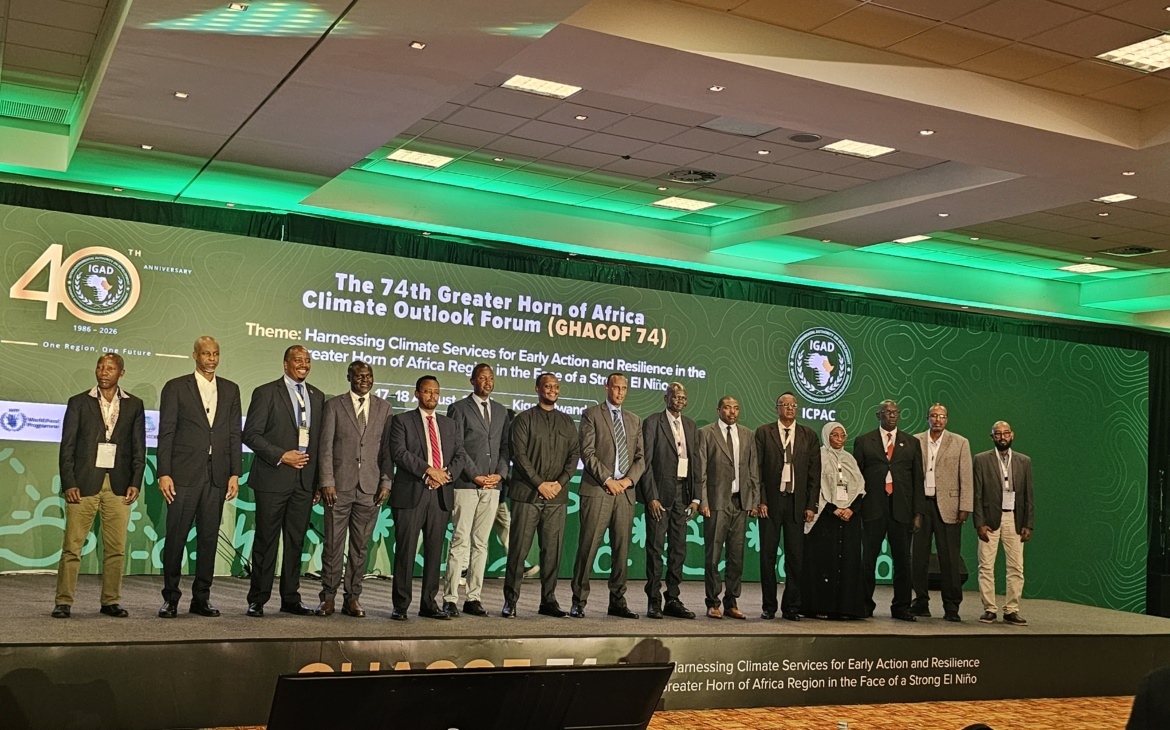
Regional climate experts and government officials have called for stronger cooperation and early action to protect communities across the Greater Horn of Africa from growing climate risks, as the 74th Greater Horn of Africa Climate Outlook Forum (GHACOF 74) gets underway in Rwanda.
Opening remarks at the forum highlighted the increasing impacts of climate change on livelihoods, agriculture and economies, alongside concerns over the anticipated El Niño conditions and their potential implications for countries across the region.
Fidele Bingwa, Permanent Secretary in Rwanda’s Ministry of Environment, said the Greater Horn of Africa remains particularly vulnerable to the consequences of climate change, making collective action essential for strengthening resilience.
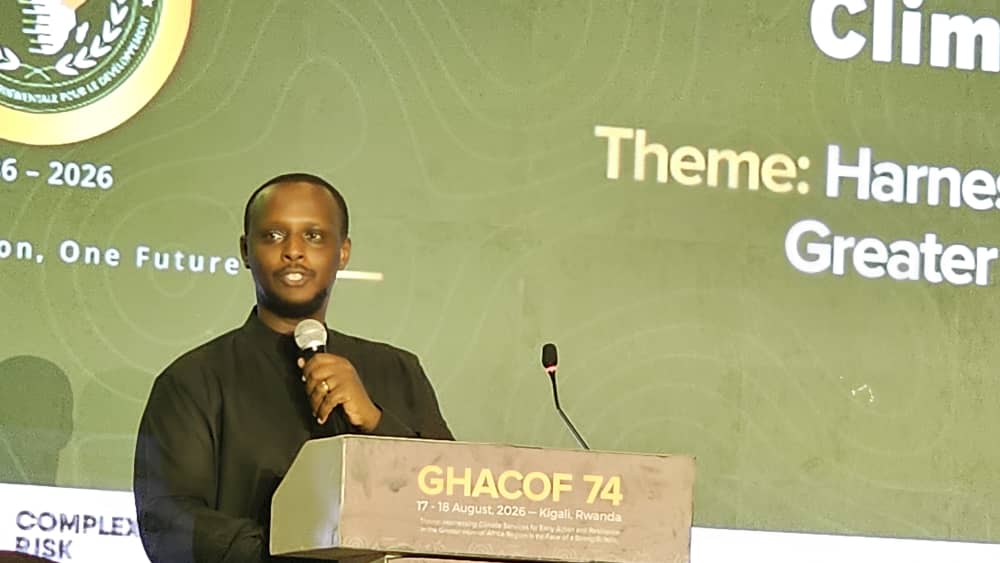
“We are in a region of the planet that suffers a lot from the consequences of climate change, so as we are all here, we have to keep asking ourselves: what is our role? What are we supposed to do to make sure that we are giving everybody a chance to build a resilient livelihood?” Bingwa said.
Dr Abdi Fidar, Director of the IGAD Climate Prediction and Applications Centre (ICPAC), stressed that climate-related threats extend beyond national boundaries and require coordinated regional responses.
He said countries in the region are interconnected through shared water resources, ecosystems, markets, transport corridors and livelihoods, meaning climate shocks experienced in one country can have wider consequences.
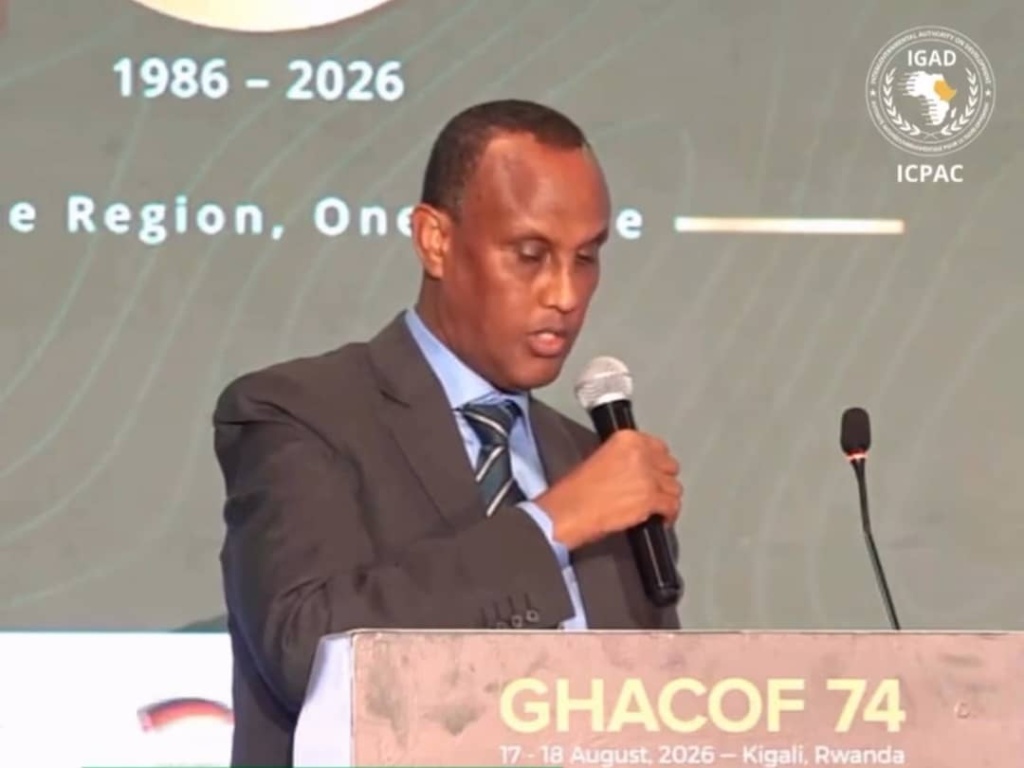
“The anticipated El Niño forecast also reminds us that climate risks do not respect national borders,” Fidar said. “A climate crisis in one country can therefore have significant consequences for its neighbours and for the wider region. This makes regional collaboration not simply desirable, but necessary.”
The forum also emphasised that climate forecasts must be accompanied by practical resources that enable communities to take early action.
Denise Ayebare, Secretary for External Affairs at Uganda’s National Youth Council, said providing climate information alone is insufficient if farmers, young people and other vulnerable groups lack the resources needed to respond.
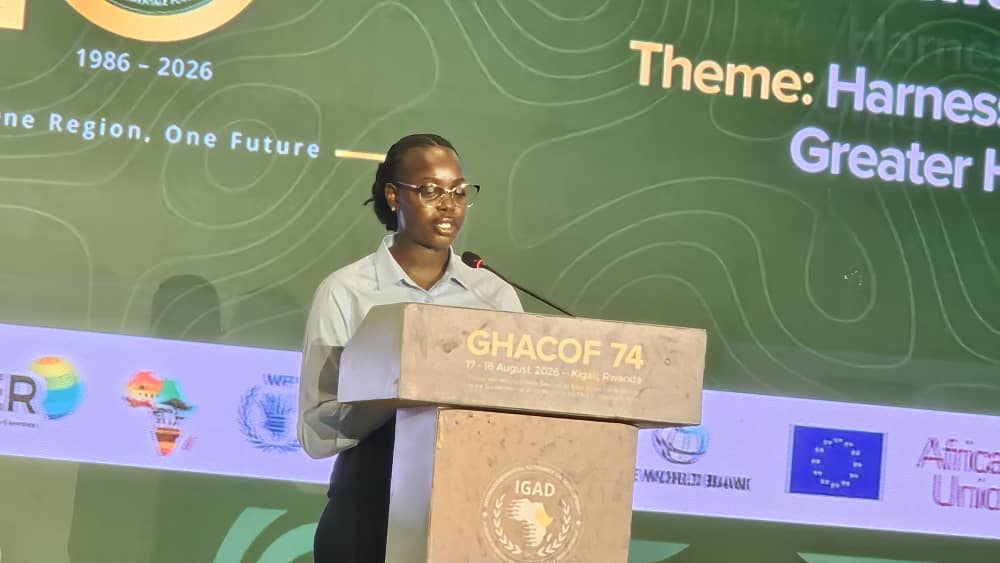
“The forecast cannot move alone. If information moves early, the things that allow people to act on that information must move with it. Agricultural advice must move. Appropriate seed must move. Finance and insurance must respond to risk,” Ayebare said.
She further called for greater investment in young people to ensure their involvement in climate-resilient food systems translates into meaningful economic opportunities.
“If we really want youth participation in climate-resilient food systems, then participation must eventually become jobs, businesses, contracts, capital and ownership.”
GHACOF 74 brings together climate scientists, government representatives, humanitarian and development organisations, policymakers, media and other stakeholders to examine the seasonal climate outlook and its implications for key sectors across the Greater Horn of Africa.
The discussions are expected to help translate seasonal climate information into practical measures that governments, humanitarian agencies and communities can use to prepare for potential climate-related hazards and strengthen resilience across the region.

