
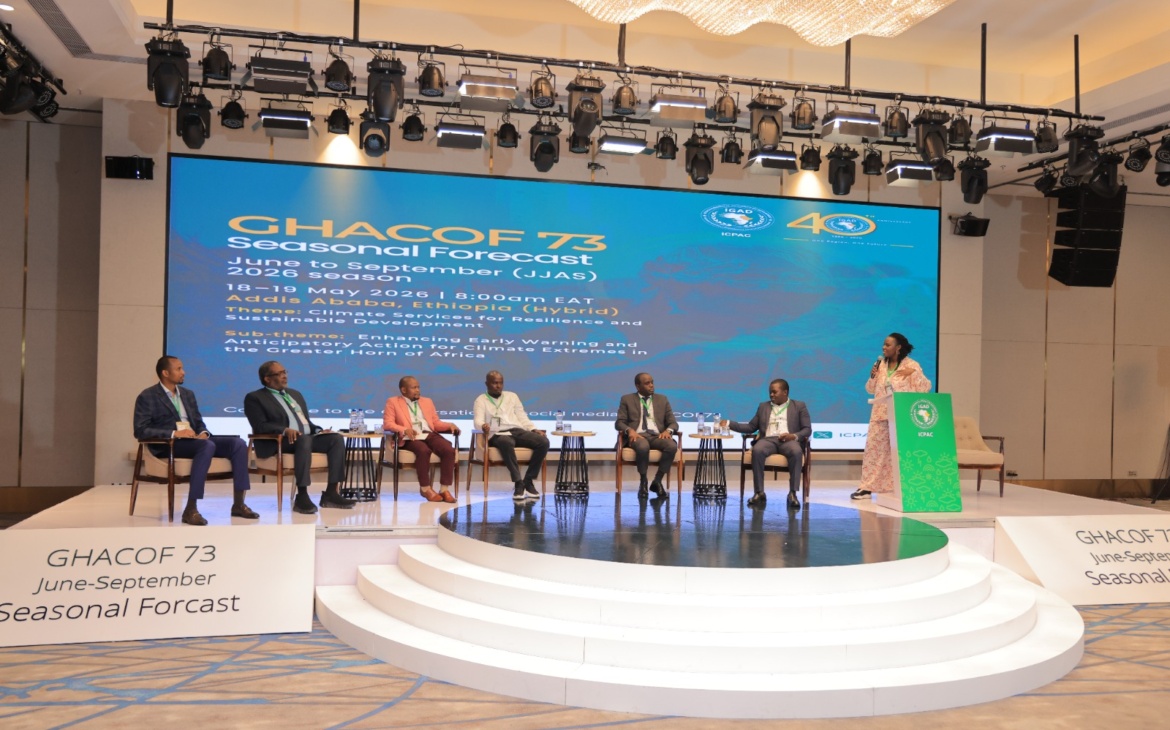
IGAD member states convened in Addis Ababa, Ethiopia, for the 73rd Greater Horn of Africa Climate Outlook Forum (GHACOF 73), where regional leaders, climate experts, and policymakers called for stronger early warning systems and faster anticipatory action to reduce the growing impacts of climate-related disasters across the region.
Convened by the IGAD Climate Prediction and Applications Centre (ICPAC), among regional and international partners, the forum focused on advancing climate services for resilient communities and sustainable development.
A particular emphasis was placed on enhancing early warning systems and translating forecasts into actionable decisions at the community level. Coming just months after the 72nd Greater Horn of Africa Climate Outlook Forum (GHACOF 72), the forum emboldens the significance of climate information in enhancing preparedness and building resilience.
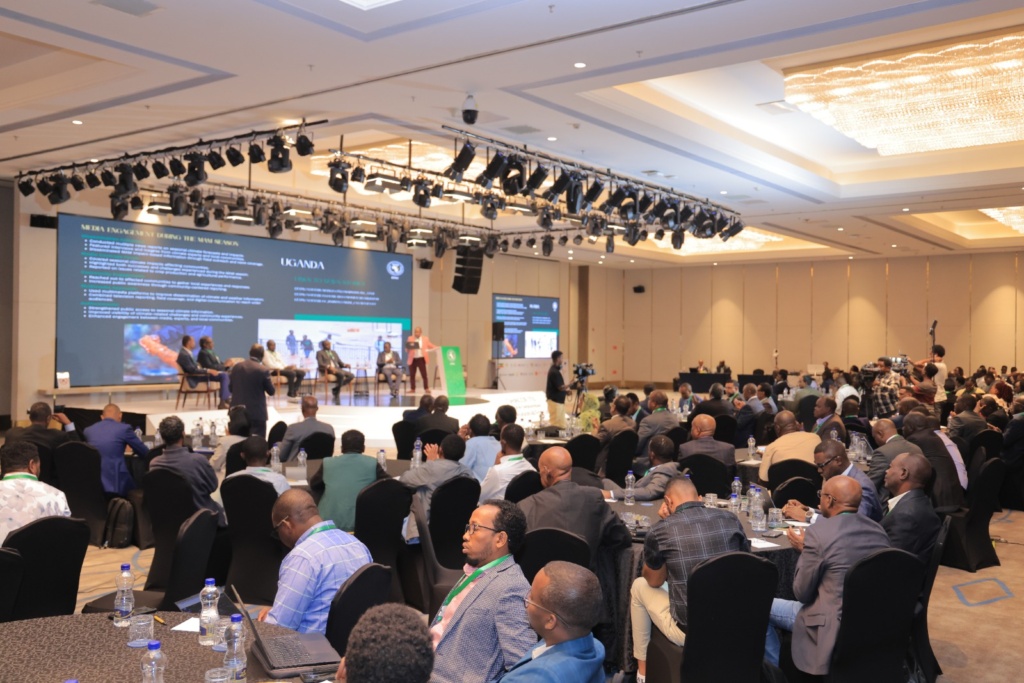
The discussions reflected growing concern over the increasing frequency of floods, droughts, landslides, and other extreme weather events across the Greater Horn of Africa, outlining the urgent need for timely, accessible, and coordinated climate information.
Deputy Executive Secretary of Intergovernmental Authority on Development Mohamed Abdi Ware said the region must move beyond early warning toward effective decision-making and anticipatory action.
“Climate resilience is no longer only an environmental issue. It is now a development, humanitarian, and economic priority for our region,” said Ware.
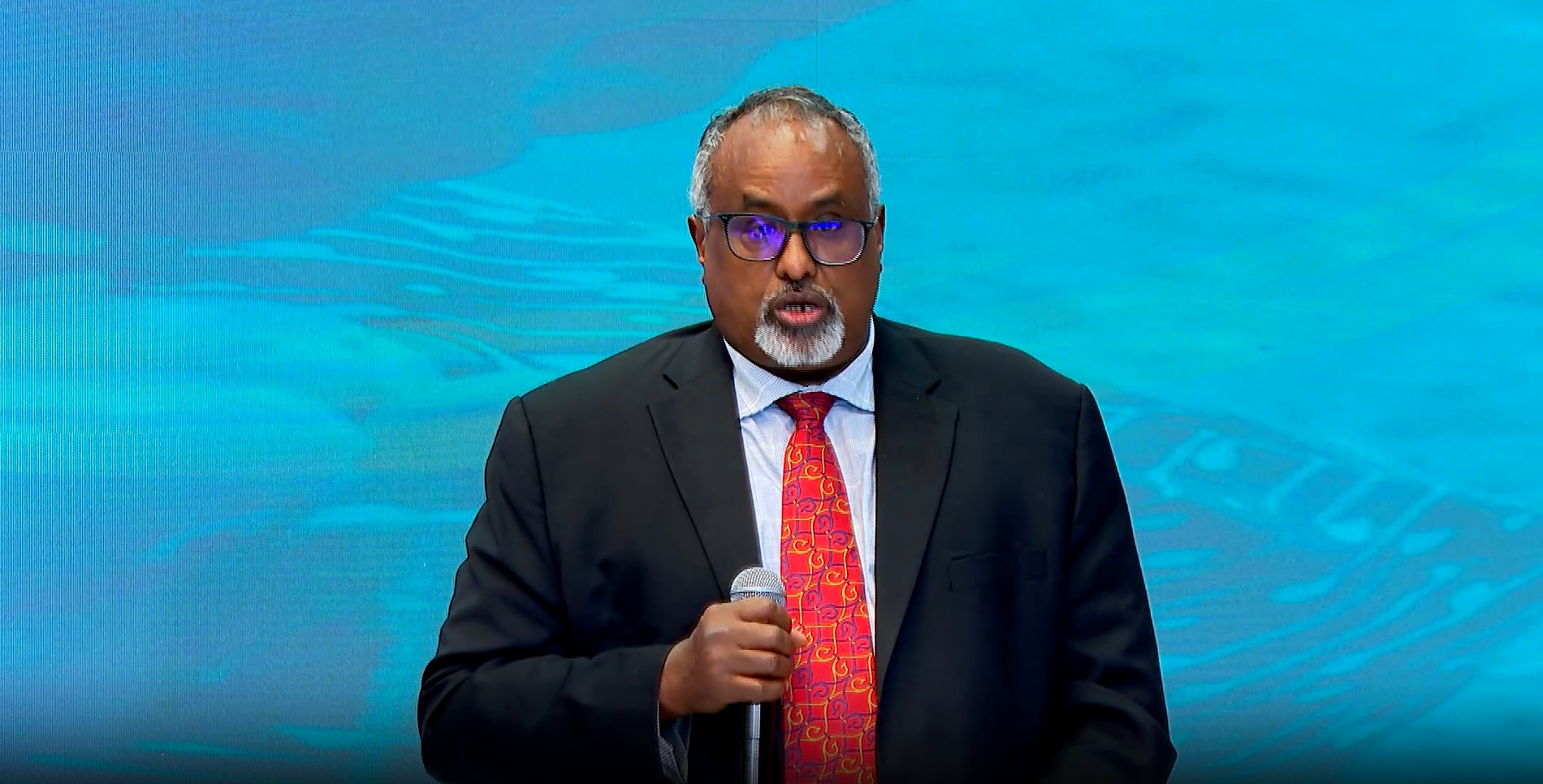
“We must ensure that climate information supports planning and decision-making across sectors, including agriculture, water management, infrastructure development, disaster risk management, public health, livestock, energy, and humanitarian preparedness.”
ICPAC’s regional forecasting systems, including quarterly, monthly, and weekly outlooks, continue to demonstrate the importance of investing in knowledge-based climate information systems at both national and regional levels.
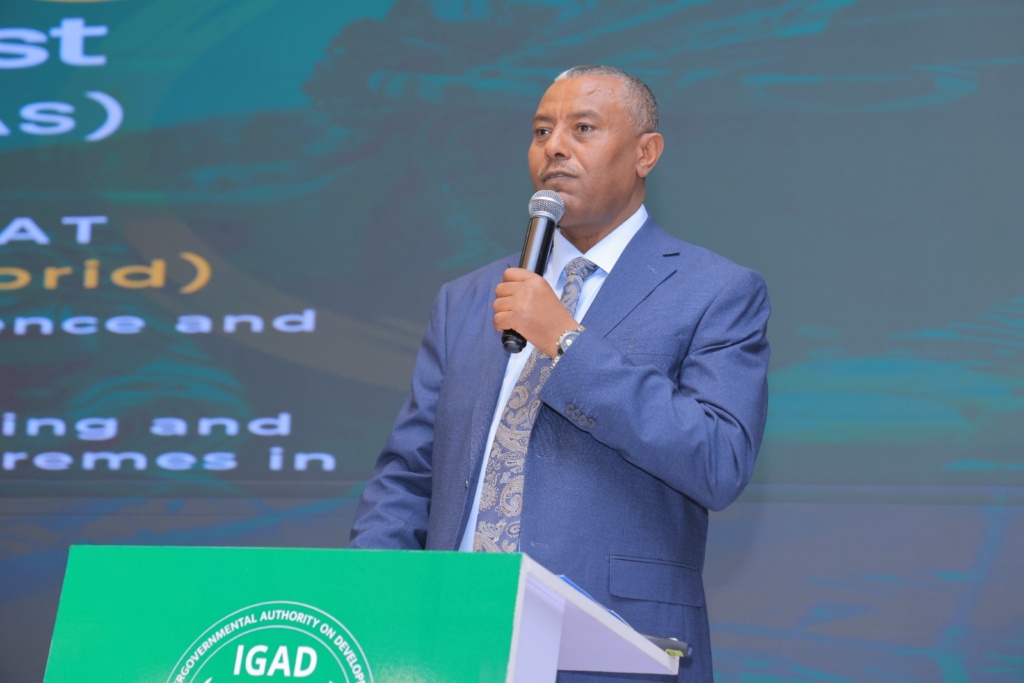
Director General of the Ethiopian Meteorological Institute (EMI), Fetene Teshome, in his message, was urging stakeholders to prioritize the delivery of actionable climate information backed by robust cross-border collaboration. Lauding the consistency embodied by ICPAC and sharing how collaborations with international organizations like the World Meteorological Organization, among others, are vital.
Teshome added that the need to provide actionable climate information through a strong collaboration with national meteorological and hydrological services alongside the sectors in developing effective early warning systems. Hence, a huge call for investing in a system that generates knowledge-based climate information at both national and regional levels.
ICPAC’s regional forecasting systems, including quarterly, monthly, and weekly outlooks, continue to demonstrate the importance of investing in knowledge-based climate information systems at both national and regional levels.
GHACOF 73 came out with media and communication as the heartbeat of the forum, with an emphasis on their vitality echoed by discussions that pointed out how they aren’t just covering the event; they are key contributors to the process and essential for translating complex climate outcomes into meaningful impact for all.
Dr. Abdi Fidar – Acting Director (ICPAC) in his speech would emphasize that anticipatory action must become central to regional preparedness efforts as climate shocks intensify across the region.
“We cannot negotiate with disasters, but when risks are predictable, and thresholds are met, anticipatory action must be the default, because delay costs lives and imperils livelihoods,” he said.
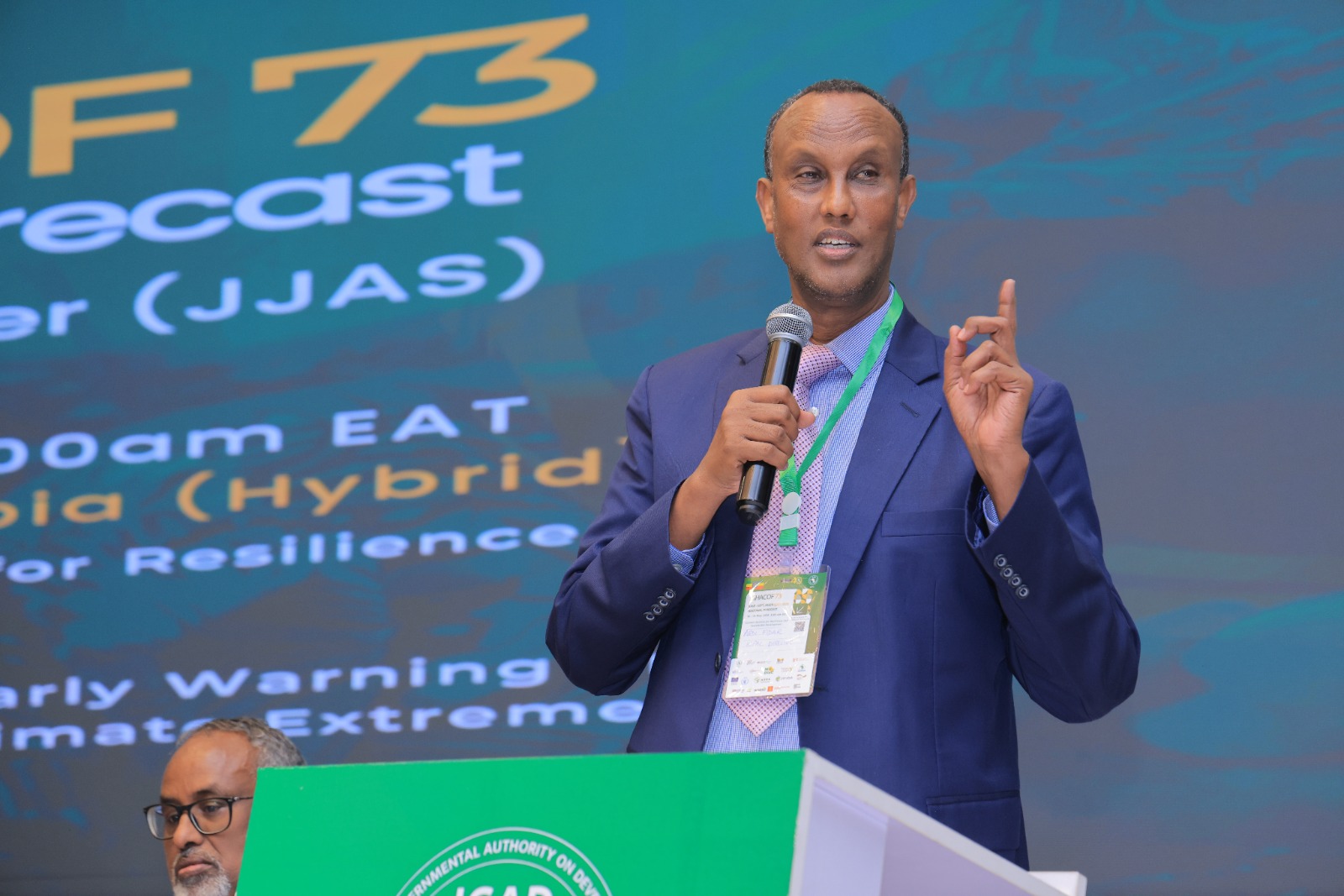
“Our systems must shift to anticipation.”
The Greater Horn of Africa continues to experience increasingly contrasting weather patterns, with some areas facing severe flooding while others endure prolonged dry spells, exposing millions of people, livestock, and ecosystems to heightened vulnerability.
Participants at the forum would emphasize that effective responses to these challenges will depend on seamless cross-border collaboration, stronger scientific partnerships, and improved delivery of actionable climate information to communities at risk.
Addressing the forum, Director of the Regional Coordination Office of the World Meteorological Organization Ishaam Abader commended the growing regional coordination between climate institutions, national meteorological services, and development partners.
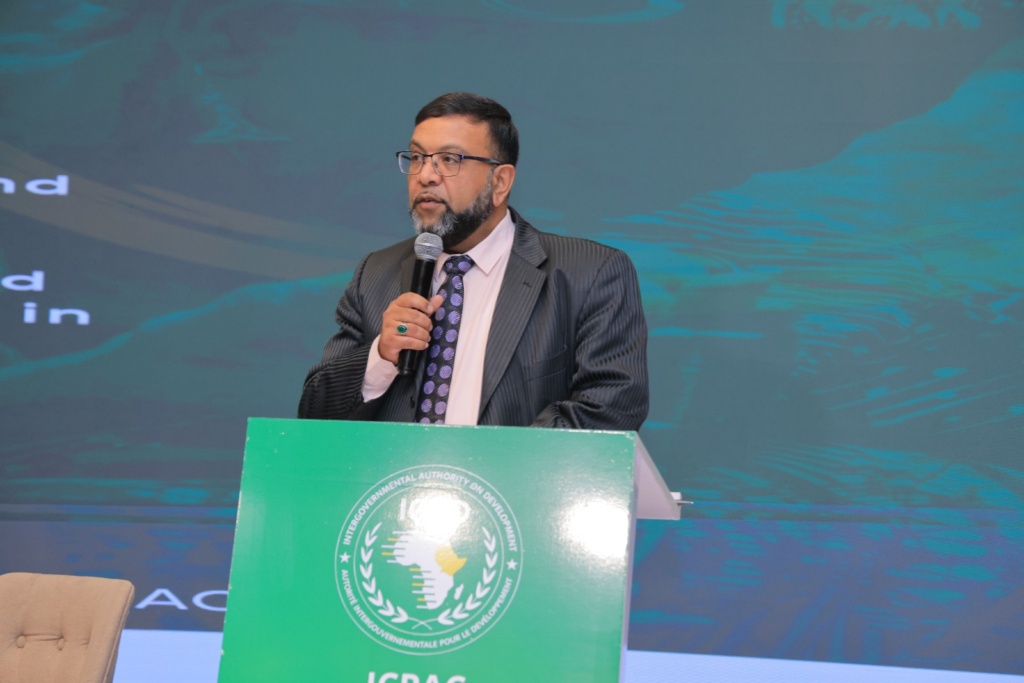
Abader noted that advancing early warning systems remains a priority, particularly in strengthening the connection between climate data, forecasting, and communication to support timely and life-saving decisions on the ground.
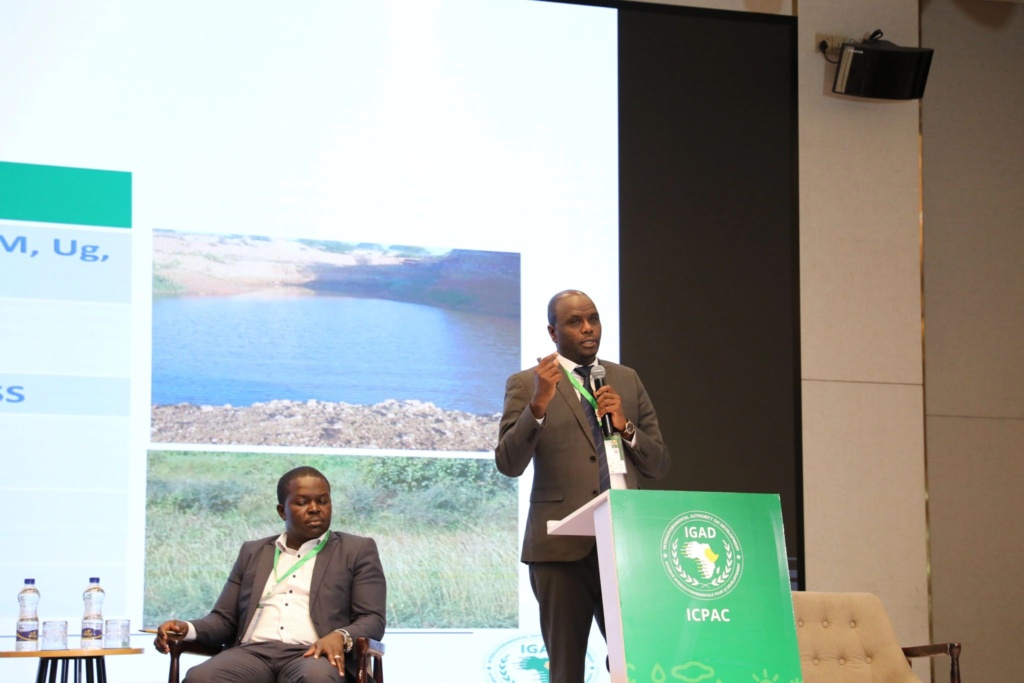
GHACOF 73 forum also highlighted ongoing climate service interventions in the livestock sector. Dr. Guyo Roba, Head of the Dryland Development Unit at ICPALD, presented analysis from the March-May rainy season, outlining both the positive and negative impacts of climate variability on pastoral livelihoods.
He further highlighted the implementation of climate advisories and synchronized cross-border animal vaccination campaigns along the Kenya-Namanga and Ethiopia-Kenya border areas as part of broader resilience-building efforts.
GHACOF 73 is expected to conclude with the release of the regional seasonal climate outlook for the June to September 2026 season, providing critical guidance for governments, humanitarian agencies, and communities across the Greater Horn of Africa as they prepare for the months ahead.
Author Profile

-
Seeker.
Inspire AFRIKA.
Latest entries
 Biodiversity22 October 2026One in Five Tropical Biodiversity Sites Overlapped by Mining Concessions, COP17 Report Finds
 Biodiversity21 October 2026COP17 Opens in Armenia with Global Biodiversity Progress Under Scrutiny
 Biodiversity19 October 2026Yerevan Declaration Sets Tone for COP17 as World Leaders Demand Real Action on Biodiversity
 Changemakers19 October 2026How Earth Wise Storage Plans to Expand Smallholder Poultry Farming in Rwanda


