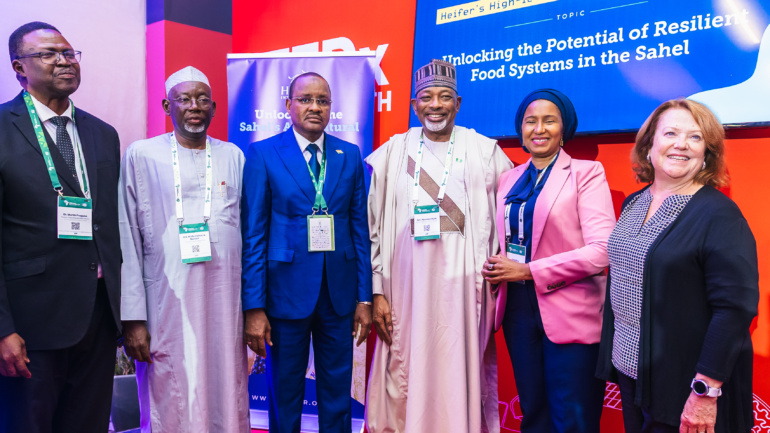
A new global initiative, the Future of Development Cooperation Coalition, has been launched at the World Economic Forum (WEF) in Davos, as governments confront shrinking foreign aid budgets, mounting climate pressures, and a multilateral system under strain. The Future of Development Cooperation Coalition initiative is aimed at reimagining development cooperation.
Former Spanish Foreign Minister Arancha González Laya announced her appointment as co-chair of the Future of Development Cooperation Coalition, alongside Yemi Osinbajo, former Vice President of Nigeria.
The initiative is an independent platform tasked with developing a new vision for how development cooperation should function in a rapidly changing global landscape.
The Coalition brings together leaders from government, the private sector, and civil society. It will work over the next 12 months to reassess the purpose, structure, and effectiveness of development cooperation, moving beyond incremental reforms to address systemic gaps.
“2026 must be about building a credible vision for development cooperation that places countries and their priorities at the centre,” González said, noting that current models are no longer delivering transformation at scale.

The initiative comes at a time when traditional aid models are under increasing pressure. While Official Development Assistance exceeds USD 200 billion annually, it represents a small share of total financial flows to developing countries, as nations increasingly act as aid recipients, investors, and development partners simultaneously.
According to Yemi Osinbajo, former Vice President of Nigeria, development cooperation must now better integrate public policy, private capital, civil society action, and global public goods, particularly as climate shocks, debt distress, and fragility intensify across vulnerable regions.
For many countries, the stakes are immediate, Osinbajo said, arguing that development cooperation directly affects job creation, access to education, and recovery from climate-related disasters.

He emphasised the need to move beyond a narrow assistance mindset toward broader partnerships that support long-term economic transformation.
Over the coming year, the Coalition plans to engage governments, international institutions, private sector actors, civil society, and youth to assess current development cooperation practices and propose actionable reforms. Initial regional and sectoral consultations are expected to begin in early 2026.
The Future of Development Cooperation Coalition emerged from high-level discussions at the 2025 Financing for Development Conference in Sevilla, Spain, and aims to shape a cooperation framework that is more efficient, inclusive, and fit for 21st-century development challenges.
Author Profile

-
Seeker.
Inspire AFRIKA.
Latest entries
 Corporate15 October 2026Water, Sanitation and Digital Learning at the Centre of Garissa School Upgrade
 Agriculture14 October 2026Africa’s Food Systems Future Depends on Listening to Farmers
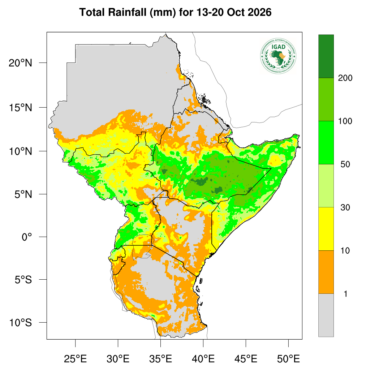 Weather Forecasts13 October 2026Rain and Rising Temperatures Forecast Across the Greater Horn of Africa
 Climate9 October 2026Beyond Negotiations: Africa Expects Concrete Outcomes from Antalya