

The UN has recognized three new World Restoration Flagships in Australia, Canada, and South Africa, each built on the leadership of Indigenous Peoples and local knowledge. Announced ahead of the seventh UN Environment Assembly (UNEA-7), the recognitions strengthen global commitments to biodiversity, climate resilience, and agrifood systems.
Jointly led by the UN Environment Programme (UNEP) and the Food and Agriculture Organization (FAO), the World Restoration Flagships represent some of the most ambitious and inclusive initiatives under the UN Decade on Ecosystem Restoration (2021–2030).
This recognition reiterates the growing global appreciation of Indigenous knowledge in reversing land degradation and restoring ecosystems.
UNEP Executive Director Inger Andersen emphasized that combining Indigenous wisdom with scientific approaches remains essential to repairing the planet’s most damaged ecosystems.
“One hectare at a time, governments, communities, and partners are restoring forests, grasslands, shrublands, coastlines, and marine environments,” she said.
It’s apparent that restoring ecosystems it’s a great stride into restoring resilience for the most vulnerable to changing conditions.
Notably, the addition of these three initiatives, 30 World Restoration Flagships now lead restoration efforts globally, collectively rehabilitating more than 18 million hectares. The UN plans to scale up to over 68 million hectares during the Decade on Ecosystem Restoration.
As UNEA-7 progresses, the message is crystal clear that ecosystem restoration doesn’t just entail landscapes; rather, it is about resilience, livelihoods, and rebuilding the relationship between people and nature.
Moreover, there’s an emphasis on comprehending that with Indigenous Peoples and local communities at the center, global restoration efforts continue to deepen their impact.
FAO Director-General QU Dongyu added that true restoration succeeds from the ground up.
“With Indigenous Peoples and local communities at the center, these new Flagships demonstrate the power of partnerships that bridge ancient wisdom with modern innovation.”
Shellfish Reef Building Program – Australia
Australia’s shellfish reefs, once abundant ecosystems of oysters and mussels, have become critically endangered due to overharvesting, sedimentation, and pollution.
Through the Reef Builder programme, The Nature Conservancy and the Australian Government have led large-scale restoration at 13 southern-coast locations between 2021 and 2023.
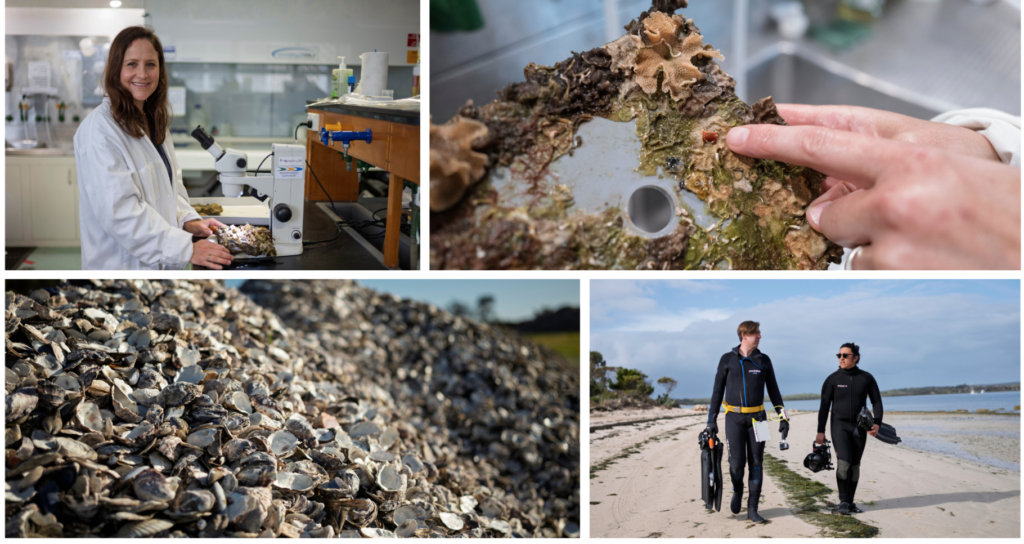
The effort aims to restore shellfish reefs across 30 percent of their original locations by 2030. Indigenous peoples who include traditional Owners, fishers, local businesses, and scientists are key partners.
“Reef Builder has shown that restoring shellfish reefs at a national scale is not only possible, but transformative,” said Australia’s Minister for the Environment and Water, Senator Murray Watt.
The initiative is delivering measurable benefits: water purification, fish stock recovery, biodiversity gains, and nearly 425 jobs. More than 50 small and medium businesses have been supported, reconnecting coastal communities with nature and coastal stewardship.
Respectful Returns: Restoring Salmon Ecosystems – Canada
Salmon populations across Canada face a severe decline, with significant ecological, cultural, and economic impacts, especially for Indigenous communities with deep spiritual ties to the species.
Since 2010, Parks Canada has worked with Indigenous nations and local communities to restore rivers and streams in seven national parks across the Pacific and Atlantic coasts.
“Guided by Indigenous knowledge and science, Respectful Returns demonstrates the power of collaboration to restore ecosystems and renew relationships with Indigenous communities whose cultures and livelihoods are tied to salmon,” said Julie Dabrusin, Minister for Environment, Climate Change, and Nature.
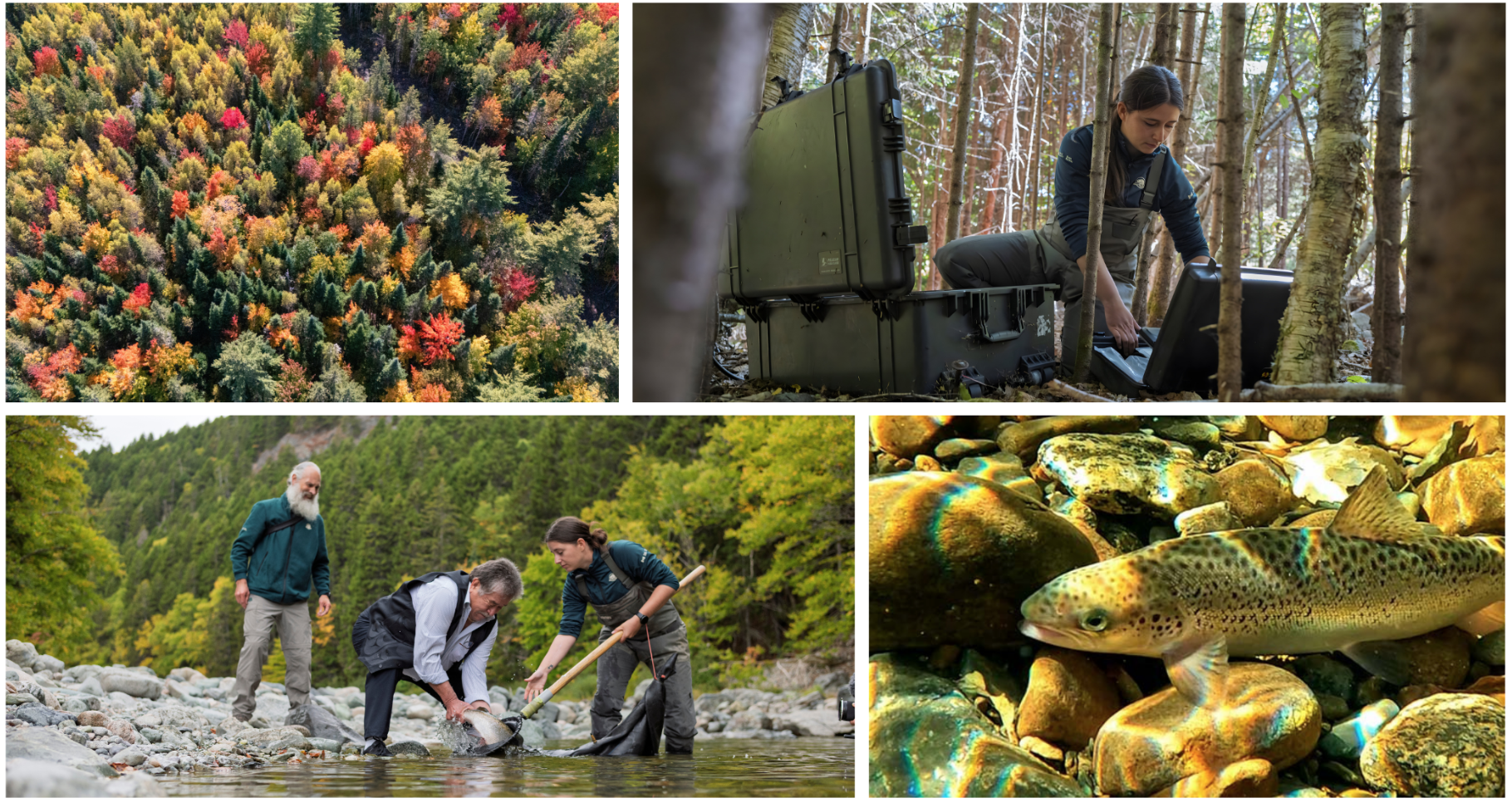
The initiative has restored over 65,000 hectares of land and 228 kilometers of waterways, created more than 100 jobs, and established strong partnerships with 32 organizations. Six of the seven sites have already recorded increases in salmon numbers.
Thicket Restoration Movement – South Africa
South Africa’s subtropical thicket, one of the country’s most biodiverse but overlooked ecosystems, is the focus of a restoration movement linking more than 60 initiatives across the Eastern and Western Cape. The initiative is grounded on a goal to restore 800,000 hectares by 2030.
The thicket restoration strengthens soil resilience, supports livestock during drought, and provides habitat for native species, including black rhinos and African elephants.
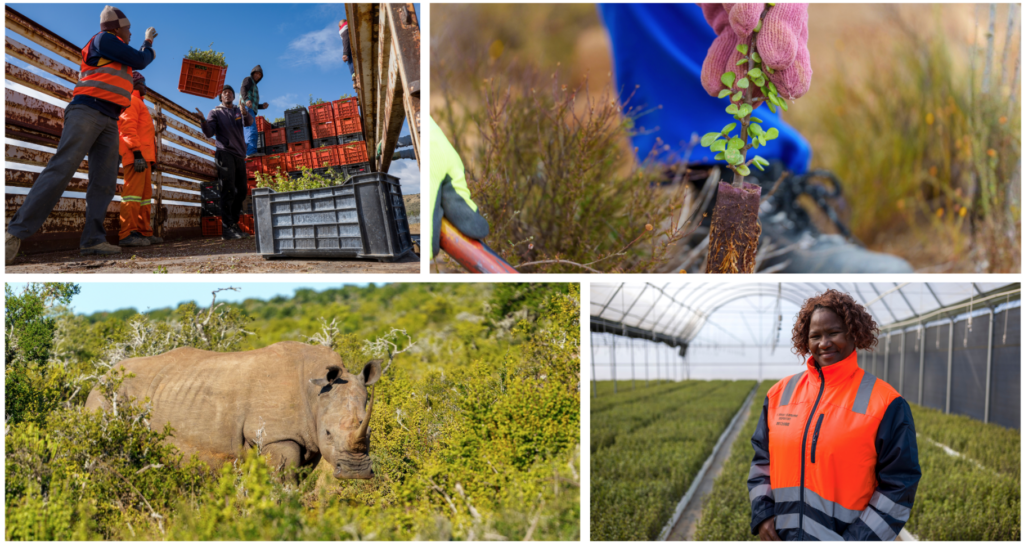
It also plays a major climate role, with the potential to sequester up to eight million tonnes of CO₂ annually, equivalent to about 20 gas-fired power plants.
Community training and local stewardship are central to the initiative, with more than 1,000 rural jobs expected to be created and livelihoods improved for around two million people.
“The efforts that have been put into spekboom restoration will benefit future generations. We are banking for the long term,” said Luyanda Luthuli of Living Lands.
Author Profile

-
Seeker.
Inspire AFRIKA.
Latest entries
 Corporate15 October 2026Water, Sanitation and Digital Learning at the Centre of Garissa School Upgrade
 Agriculture14 October 2026Africa’s Food Systems Future Depends on Listening to Farmers
 Weather Forecasts13 October 2026Rain and Rising Temperatures Forecast Across the Greater Horn of Africa
 Climate9 October 2026Beyond Negotiations: Africa Expects Concrete Outcomes from Antalya


