
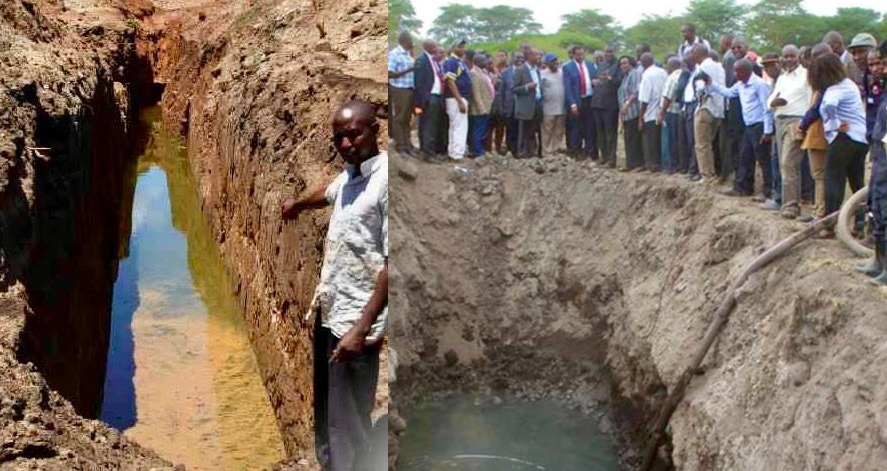
A Kenyan court has issued a groundbreaking ruling holding fossil fuel actors accountable for environmental pollution, ordering them to pay over KSh 3 billion in oil spill damages and restoration costs to residents of Thange in Makueni County.
The Environment and Land Court in Makueni found the Kenya Pipeline Company Ltd. (KPC) and the National Environment Management Authority (NEMA) jointly liable for a 2015 oil spill that severely contaminated land and water in the Thange River Basin. KPC was assigned 80% liability, while NEMA bore 20%, based on a judgment delivered on July 11, 2025.
According to the petitioners, the oil spill, caused by a pipeline leak on May 12, 2015, released petroleum products that poisoned rivers, farmlands, and water sources, devastating local livelihoods and ecosystems, affecting over 3,000 lives.
“This is a turning point,” said Patrick Kiash, Director of We Don’t Have Time Kenya. “It sets a precedent that should inspire more citizens to seek justice. It’s a warning to companies, local or international, that the era of polluting with impunity is over.”
The ruling marks the first time a Kenyan court has imposed such a significant financial penalty on a fossil fuel operator, signaling a shift toward enforcing environmental justice and corporate accountability. The judgment also affirms the constitutional rights of citizens to life, dignity, and a clean environment.
In addition to financial compensation, the court issued an environmental restoration order. Kenya Pipeline has been directed to rehabilitate the contaminated land, soil, surface and underground water, and the broader Thange River ecosystem, all within 120 days of the ruling.
Failure to comply will result in KPC paying KSh 900 million (approximately $7 million) to NEMA, which will then oversee the restoration efforts and report back to the court. The total compensation awarded stands at KSh 3,018,831,676 (approximately $23.3 million).
Legal analysts have hailed the ruling as a bold statement from the judiciary, affirming that environmental laws are not merely symbolic; they carry weight and polluters will be held accountable for every oil spill and repercussion of their activities on people and ecosystems.
“This is not just a win for Thange,” Kiash added. “It is a beacon for communities across Africa to rise up and demand that those who harm people and the planet must pay.”


