
Africa’s green transition is increasingly shifting from ambition to implementation, with a new generation of youth-led enterprises stepping into a catalytic role. The announcement of the inaugural GreenWorks 4 Africa Forum by Jacob’s Ladder Africa (JLA) signals a deliberate move to bridge the gap between green potential and real economic outcomes across the continent.
Scheduled for 11–13 August 2026 in Nairobi, the forum is positioned as more than a convening, reflecting the organisers’ ambition to drive tangible outcomes. It reflects a growing recognition that Africa’s green economy will not be built through declarations alone, but through practical, scalable solutions that respond to local realities.
Instead of high-level panel discussions, GreenWorks 4 Africa will adopt a case-study-driven format, bringing together policymakers, private sector actors, and civil society to co-create actionable pathways for green enterprise development. This approach aligns with a broader shift across climate spaces, where emphasis is increasingly placed on implementation frameworks and measurable impact.
According to projections by the International Labour Organization, Africa’s green economy could generate more than 60 million jobs by 2030, particularly in the energy, waste management, and natural resources sectors. Yet this promise remains uncertain given current systems and structures.
Sellah Bogonko, Co-Founder and CEO of Jacob’s Ladder Africa, emphasizes the importance of addressing this gap between potential and preparedness.
She notes that while the opportunity for growth is clear, it will only materialise if Africa invests in the infrastructure and ecosystems that allow green enterprises to thrive, underscoring the need to convene ‘strategic actors’ to turn projections into tangible outcomes.
GreenWorks 4 Africa also sits within a broader arc of African climate leadership, with momentum building toward COP32 in Addis Ababa. As such, initiatives like this forum are helping to sustain a narrative that positions the continent not just as vulnerable to climate impacts but as a hub for innovation and solutions. This framing is critical in reshaping global perceptions and attracting investment into African-led climate initiatives.
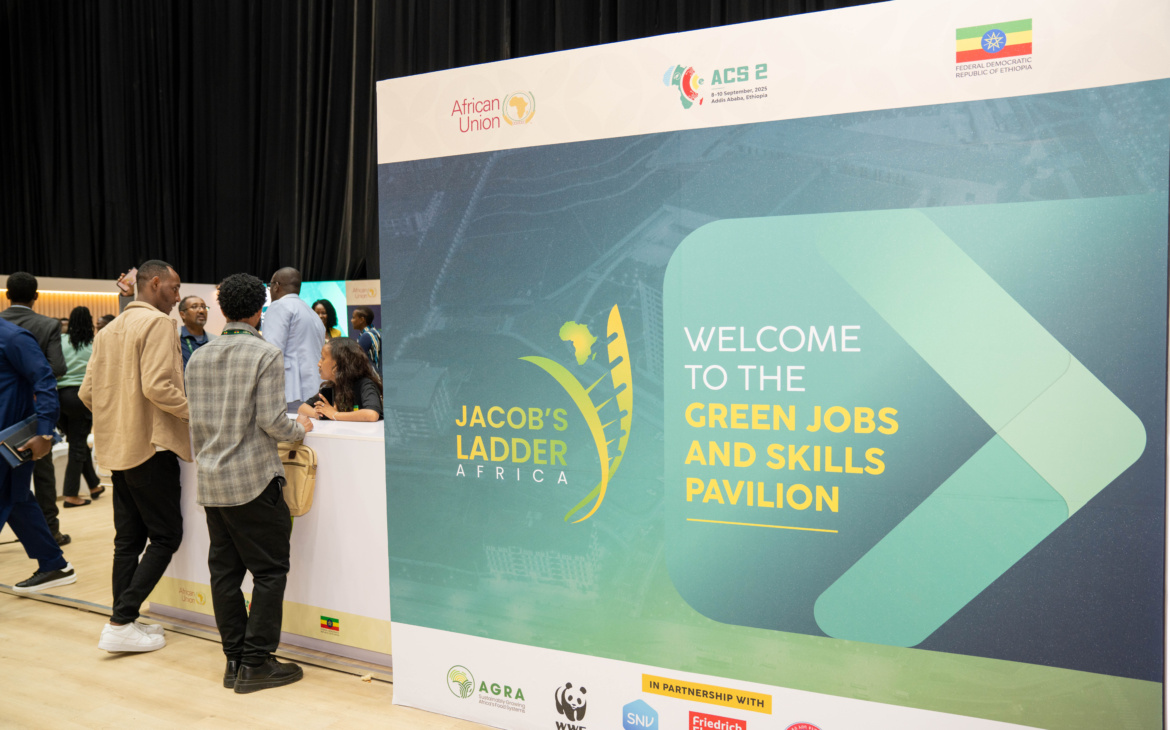
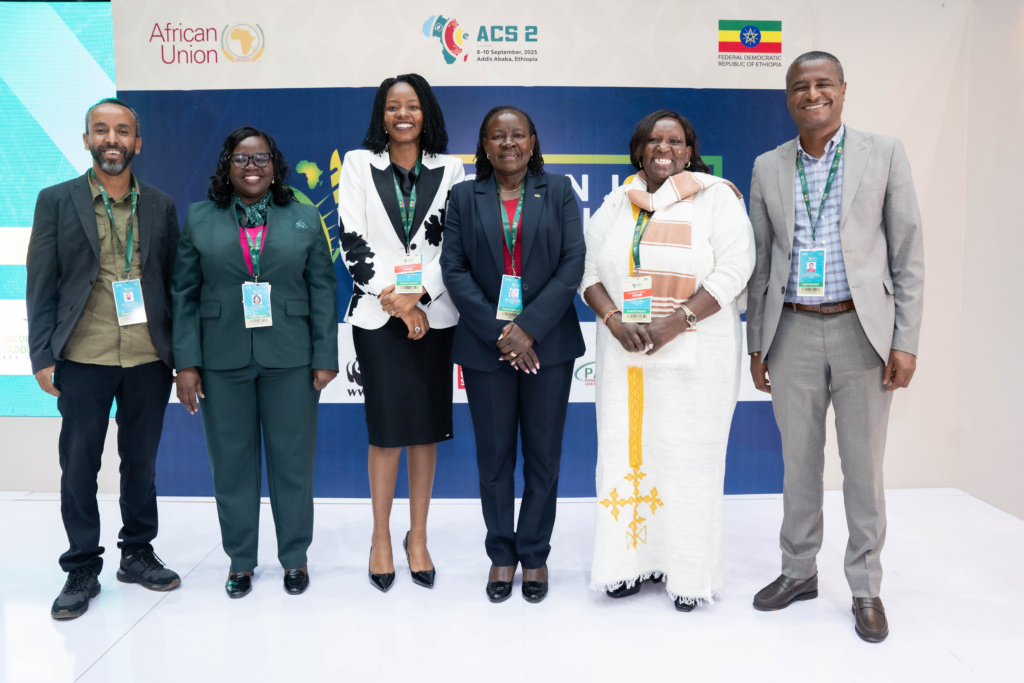
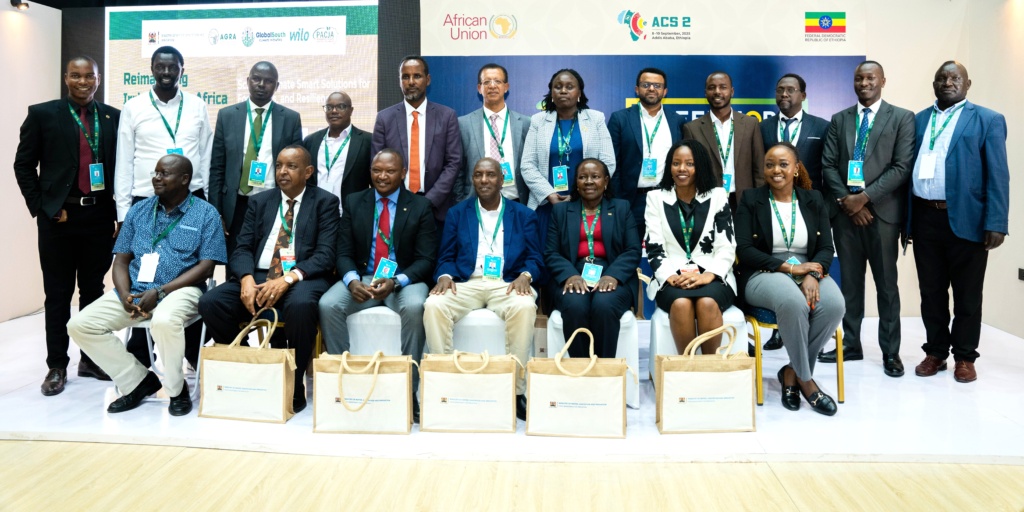
The forum builds on the outcomes of the Second Africa Climate Summit (ACS2), where Jacob’s Ladder Africa hosted a dedicated pavilion on green jobs and skills development. That convening brought together governments, businesses, and civil society to explore pathways for strengthening Africa’s green workforce. GreenWorks 4 Africa now seeks to deepen that engagement by translating dialogue into implementable strategies.
Over three days, participants will engage in thematic working rooms designed for sector-specific deep dives. These sessions will focus on key pillars of Africa’s green economy, including renewable energy, e-mobility, sustainable urbanisation, climate-resilient agriculture, circular industry, and industrial decarbonisation. The inclusion of natural capital and nature-based enterprises also reflects a growing emphasis on aligning economic development with ecosystem restoration.
What distinguishes the forum is its emphasis on outputs. Among its expected deliverables are an African Toolkit for Green Jobs Development, grounded in case studies and investment-ready models, and a proposed Green Jobs Taxonomy for Africa. These tools could play a critical role in standardising approaches, guiding investments, and supporting policy alignment across countries.
For a continent grappling with high youth unemployment and climate vulnerability, the stakes are high. The green economy presents a dual opportunity: to drive sustainable development while addressing the urgent need for jobs. However, realising this opportunity requires coordinated action across sectors and scales.
GreenWorks 4 Africa, therefore, emerges as both a platform and a test case. Its success will depend not only on the quality of dialogue it facilitates, but on the extent to which it catalyses sustained collaboration and implementation beyond the forum itself.
In a landscape where climate commitments are often criticised for lacking follow-through, initiatives that prioritise execution could define the next phase of Africa’s climate journey.
If effectively realised, the forum may offer a blueprint for how the continent can translate its green ambitions into inclusive and lasting economic transformation.


