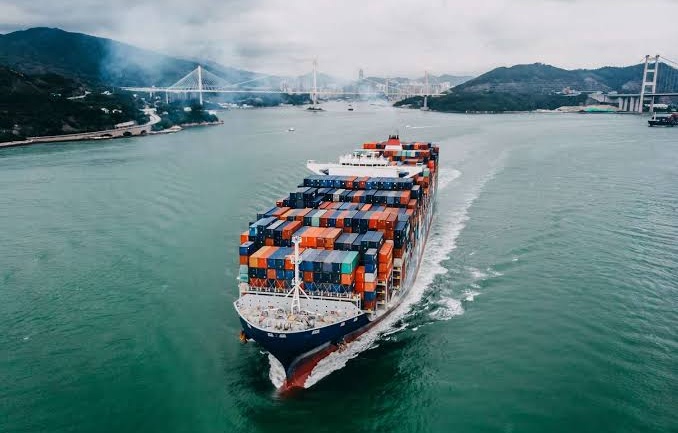
As climate change intensifies coastal flooding, erosion and extreme weather events across Africa, a growing consensus is emerging among policymakers, port authorities and city leaders: ports cannot become climate-resilient in isolation.
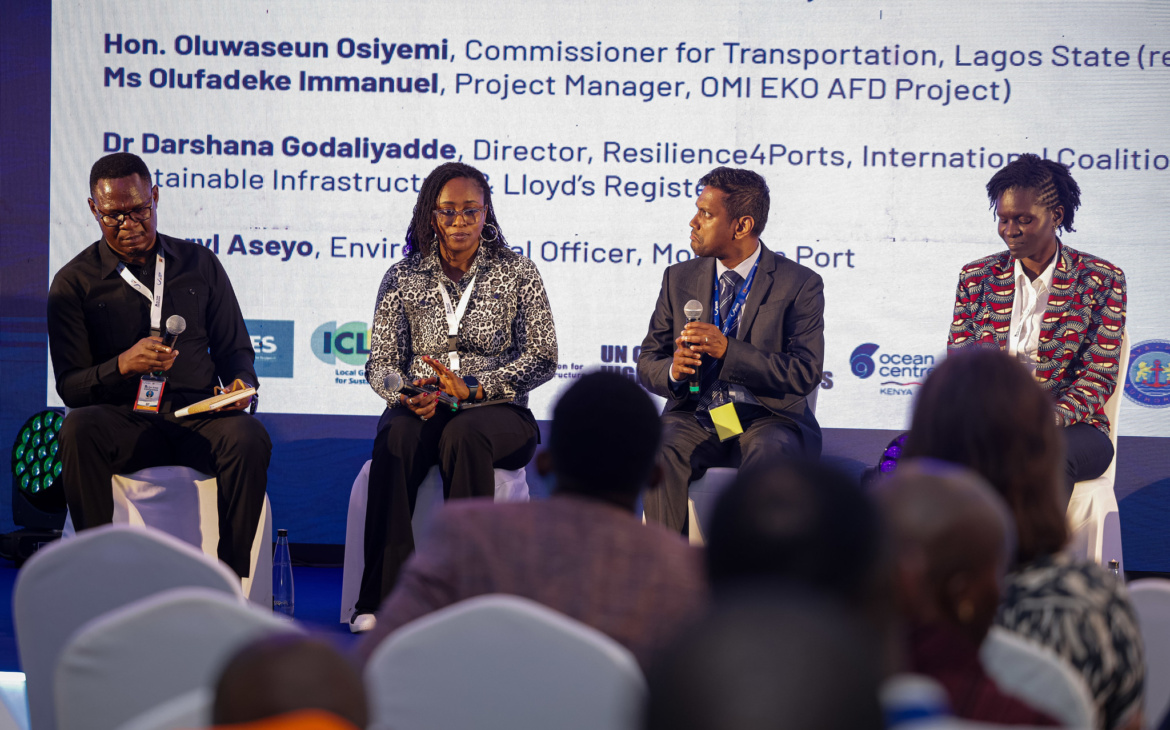
That message resonated throughout the “Blue African Ports and Cities” side event held during the 11th Our Ocean Conference in Mombasa, where representatives from Mombasa, Dar es Salaam and Lagos shared experiences on how collaboration between cities and ports is becoming critical to protecting trade, communities and coastal ecosystems.
The discussion highlighted a reality confronting many of Africa’s major maritime gateways. While ports drive economic growth and facilitate regional trade, they are increasingly vulnerable to climate-related risks that often originate beyond their boundaries, from urban flooding and waste management challenges to transport congestion and rising emissions.
For the Port of Mombasa, East Africa’s largest seaport, these interconnected challenges are already evident.
“Most of these stormwater drains have their outflow into the port, and the activities originate from the city,” said Ms. Beryl Aseyo, Environmental Officer at the Port of Mombasa.
“Without the city doing the same, then we realize that we will still be revolving around the same problem.“
Her remarks underscored one of the central themes of the discussion: climate resilience for ports depends heavily on the resilience of the cities that surround them.
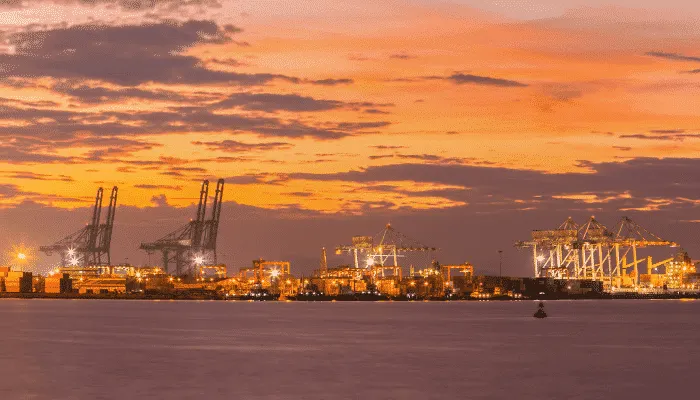
According to Aseyo, a climate risk assessment conducted for the Port of Mombasa revealed that the facility faces a range of threats, including sea-level rise, flooding, storm surges and ocean acidification.
The findings have informed implementation of the port’s Green Port Policy, which seeks to reduce environmental impacts while strengthening long-term resilience.
Among the measures being undertaken are integrated stormwater management systems, hillside stabilization projects to combat erosion, and mangrove restoration initiatives carried out in partnership with local authorities.
The need for collaboration was echoed by Mombasa Governor Abdulswamad Shariff Nassir, who noted that while ports are often national assets, cities bear many of the environmental and social consequences associated with port operations.
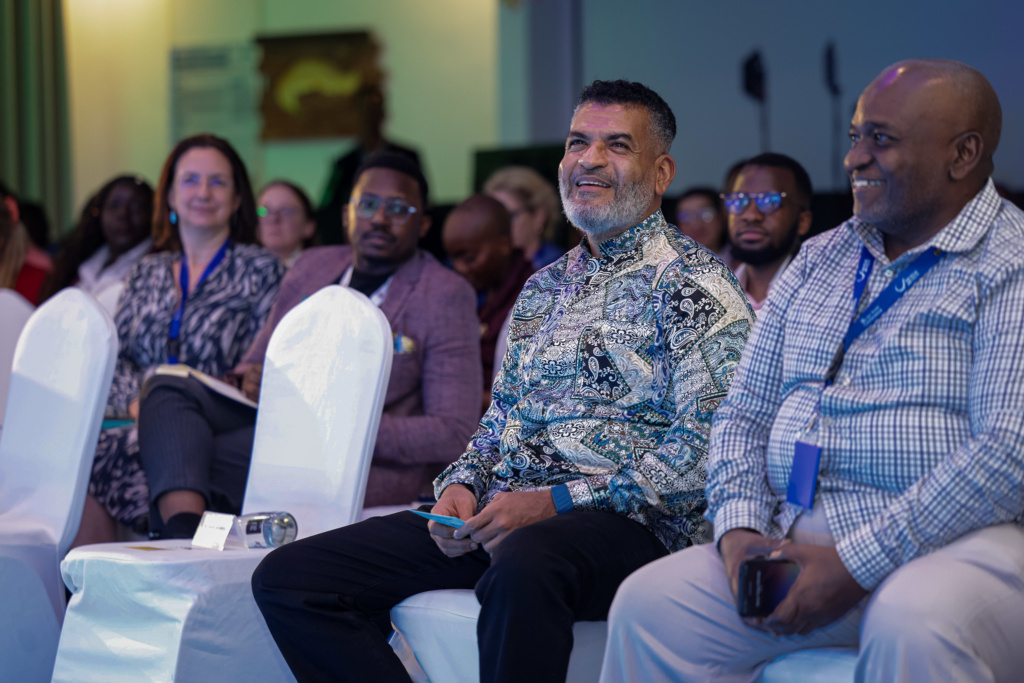
“The county government receives the emissions and they receive the money,” Nassir observed, referring to the relationship between local governments and nationally managed ports.
Yet rather than viewing the situation as a point of conflict, the governor highlighted how sustained dialogue has helped build stronger cooperation between Mombasa County and port stakeholders.
One notable achievement has been the county government’s assumption of responsibility for handling waste generated by ships calling at the port.
According to Nassir, Mombasa has also developed regulations to address hazardous waste management while exploring investments in recycling, waste collection and environmental protection.
“We changed issues that took generations through conversations and planning,” he said.
Beyond Kenya, similar efforts are underway across Africa’s major port cities.
In Lagos, Nigeria’s commercial hub and one of Africa’s largest urban economies, authorities are working to address congestion, emissions and environmental degradation linked to port activities.
“The collaboration is continuous between the Lagos State Government, the federal government and all stakeholders,” said Ms. Olufadeke Immanuel, Project Manager of the OMI EKO AFD Project, representing the Lagos State Commissioner for Transportation.
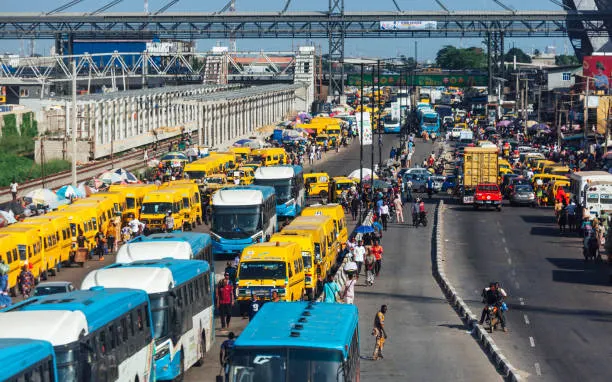
For years, truck congestion around Lagos ports contributed to severe traffic bottlenecks, increased fuel consumption and higher emissions.
In response, authorities introduced an electronic truck call-up system that schedules access to port facilities, significantly reducing queues and improving efficiency.
“When trucks move easily, then you are bringing down carbon emissions,” Immanuel explained.
The city has also expanded the use of inland waterways for cargo transport, strengthened vehicle emissions inspections and invested in rail infrastructure to reduce dependence on road freight.
Lagos’ experience also demonstrates how climate resilience can attract investment when supported by strong planning frameworks.
“Financing follows preparation,” Immanuel told participants. “When you have a bankable project, a solid institution and a policy framework, naturally you will be able to sell whatever it is that you have.”
Across the continent in Tanzania, Dar es Salaam is pursuing its own strategy to reduce emissions and improve resilience through investments in transport infrastructure and climate planning.
“We have to take care of our port together,” said Deputy Mayor John Ryoba of the Dar es Salaam City Council, describing the close working relationship between the city and the Tanzania Ports Authority.
Ryoba emphasized that Dar es Salaam’s port serves multiple countries across the region, making its resilience essential not only for Tanzania but for broader East and Central African trade networks.
To reduce congestion and emissions, Tanzania is expanding its Standard Gauge Railway network and developing dry port facilities that will allow cargo to move more efficiently from the port to inland destinations.
“We want to make this SGR from Dar es Salaam to neighbouring countries so that we can send these containers directly from the port to neighbouring countries to reduce this carbon emission in our city,” he said.
The discussions in Mombasa also highlighted a growing international effort to strengthen port resilience worldwide.
According to Dr. Darshana Godaliyadde, Director of Resilience4Ports at the International Coalition for Sustainable Infrastructure and Lloyd’s Register Foundation, climate adaptation is becoming an increasingly urgent priority for the maritime sector.
“At COP29 we launched a call to action championing four key actions for ports to build a resilient port network,” he said.
The initiative has already attracted support from ports and organizations around the world, including the Kenya Ports Authority.
Godaliyadde noted that climate risk assessments are helping ports identify vulnerabilities and attract investment for adaptation projects. He cited the Port of Banjul in The Gambia, where climate assessments helped unlock financing from the African Development Bank and public-private partnerships.
“They systematically assessed the risks and identified adaptation options,” He said. “For those adaptation options, they secured funding from the African Development Bank and through public-private partnerships.”
While many ports now have climate strategies and risk assessments in place, speakers agreed that financing remains one of the biggest barriers to implementation.
“For us to move from planning to action, it needs funding,” Aseyo acknowledged.
That challenge is likely to remain central as African countries seek to protect critical trade infrastructure from growing climate threats.
Yet the conversations at the 11th Our Ocean Conference also demonstrated that solutions are emerging.
From integrated transport systems and waste management reforms to nature-based solutions and climate-informed planning, African port cities are increasingly recognizing that resilience must be built collectively.
Read Also: Mombasa Declaration Targets Illegal Fishing Through Global Transparency Push
Author Profile

- How can we learn if we don't question?
Latest entries
 COP3115 October 2026Pacific Leaders Call for Urgent Climate Action Ahead of COP31
 Agriculture13 October 2026Can the buffalo fix Kenya’s milk problem? Farmers say start with the feed bill
 Events12 October 2026Cybersecurity in the Floriculture Industry
 Opinion & Analysis8 October 2026Why Africa Must Look to What Already Exists in Its Blue Economy