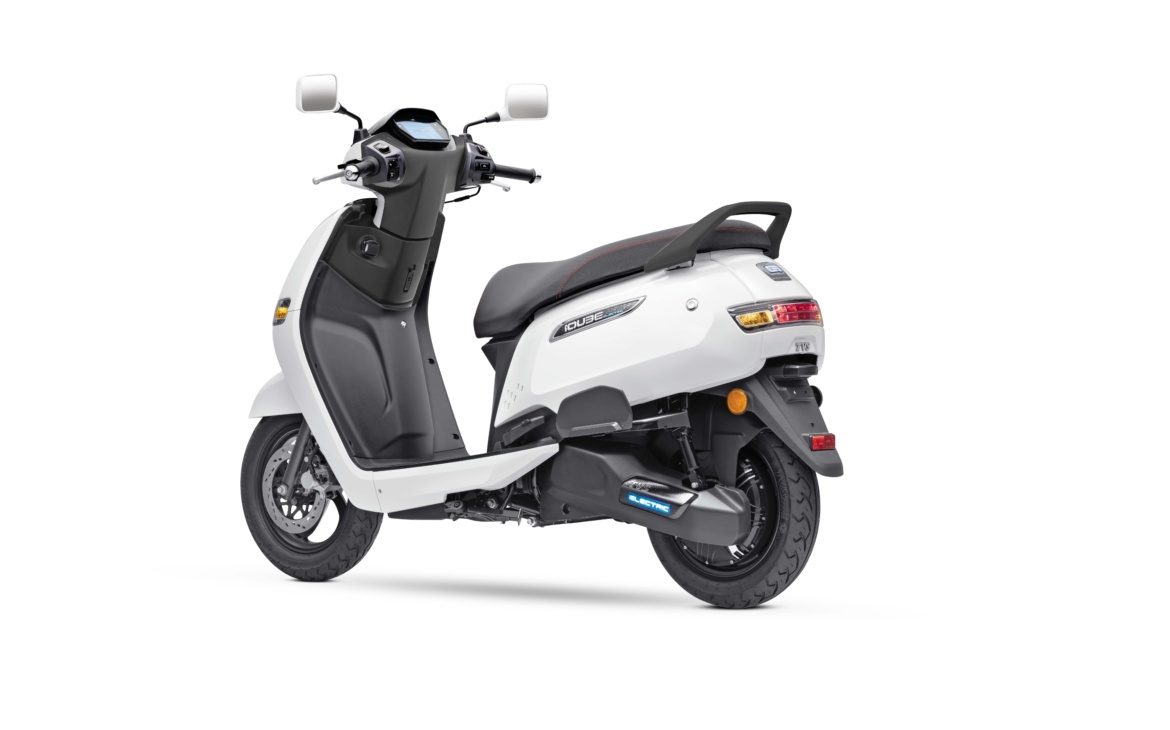
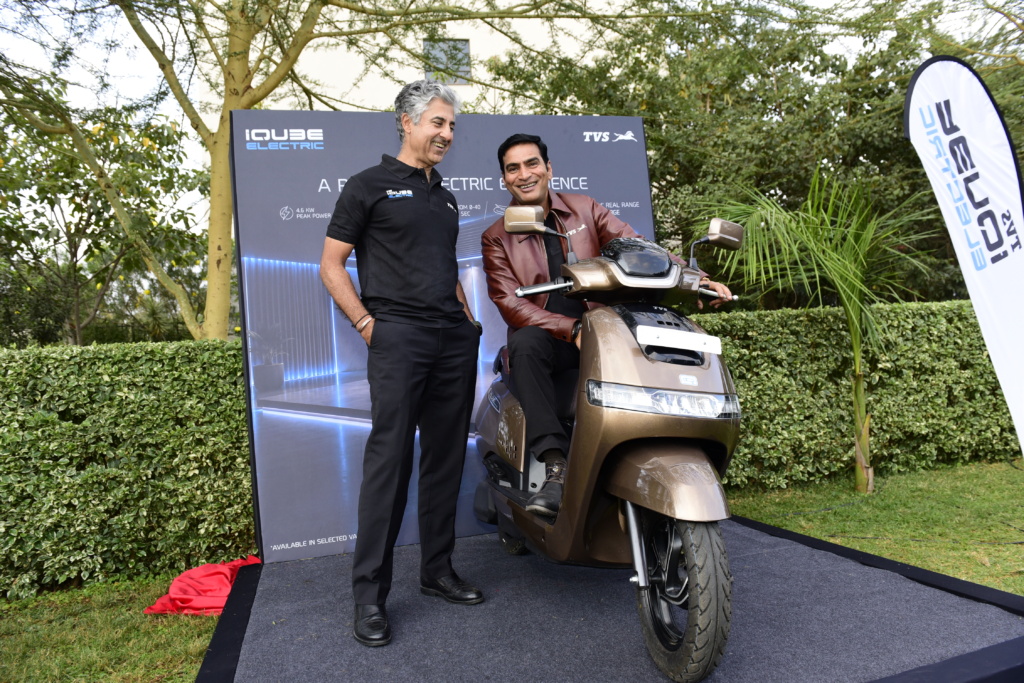
Indian two- and three-wheeler manufacturer TVS Motor Company has entered Kenya’s electric mobility market with the launch of its TVS iQube electric scooter, targeting urban commuters seeking alternatives to petrol-powered transport.
The launch marks TVS Motor Company’s first entry into the African market with its electric scooter portfolio and comes as Kenya’s transport sector increasingly shifts towards electric mobility, driven by the need to reduce transport emissions and lower the cost of running two-wheelers.
The iQube will be distributed in Kenya through Car & General, which will provide sales and after-sales support through its established network across the country.
The scooter is being introduced in two variants, the TVS iQube 3.5 and iQube 2.2, with battery capacities of 3.5 kWh and 2.2 kWh respectively.
According to the company, the iQube 3.5 has a real-world range of up to 115 kilometres per charge, while the iQube 2.2 can cover up to 75 kilometres. Both models use a 4.6 kW motor, with the larger variant reaching a top speed of 82 kilometres per hour.
The iQube 3.5 accelerates from zero to 40 kilometres per hour in 4.2 seconds, while both models feature reverse and forward parking assist, a five-inch digital instrument cluster and battery management protection systems.
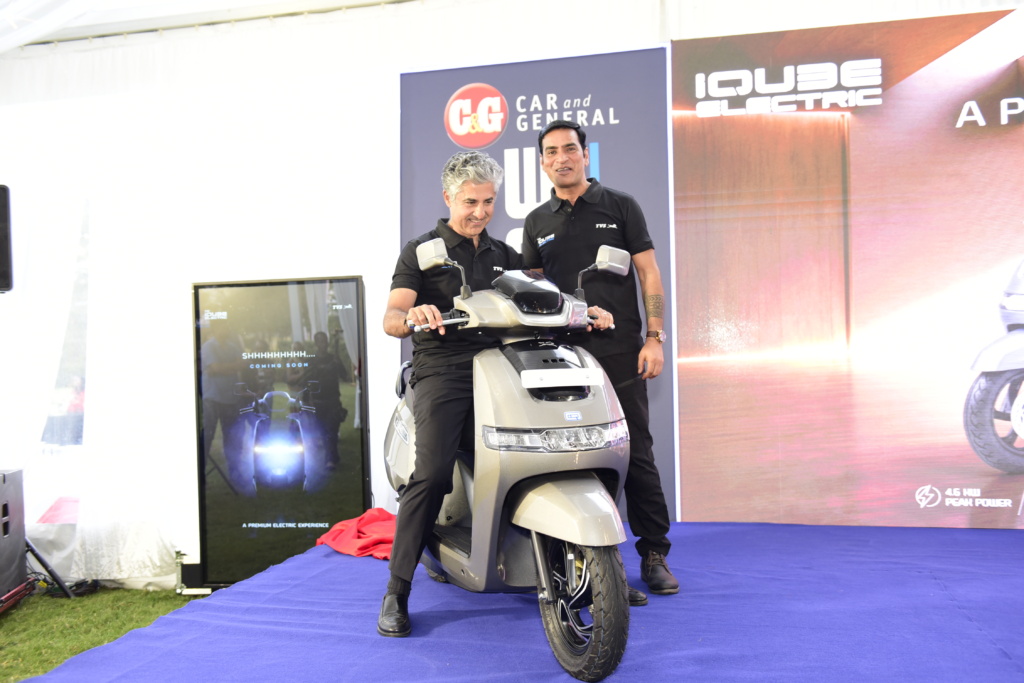
Charging can be done using a portable charger connected to a standard household power outlet. TVS says the iQube 3.5 takes about two hours and 55 minutes to charge from zero to 80 per cent, while the iQube 2.2 takes approximately two hours under the specified charging conditions.
Beyond its electric drivetrain, the scooter incorporates connected technology through TVS Motor’s SmartXonnect platform. The system provides features including navigation, telematics, charging information, ride insights, geofencing, anti-theft functions and crash or fall alerts.
The company is positioning the scooter as an option for everyday urban travel, with under-seat storage of up to 32 litres and a design intended to combine electric performance with the practicality required for city commuting.
Electric mobility and running costs
The Kenyan launch comes as electric motorcycles and scooters gain greater attention as a potential way of reducing both emissions and operating costs in the transport sector.
Car & General Chief Executive Officer Vijay Gidoomal said Africa’s two-wheeler market is expected to continue expanding through the end of the decade, while the electric two-wheeler segment is growing at a faster rate from a relatively low base.
“EV penetration is still low relative to the size of the industry, but the conditions are rife for its growth,” Gidoomal said.
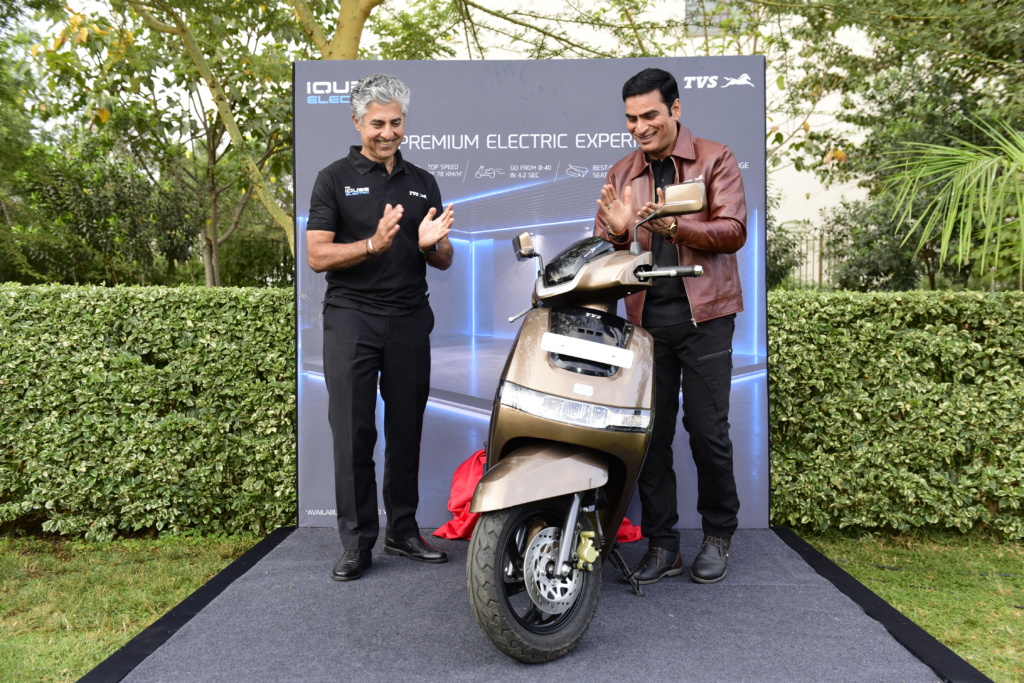
TVS estimates that an iQube rider could save about KES 47,000 annually compared with a conventional 125cc petrol-powered scooter through lower energy and maintenance costs. Actual savings, however, would depend on electricity and fuel prices, distance travelled, charging patterns and maintenance requirements.
Peyman Kargar, President of International Business at TVS Motor Company, said the Kenya launch forms part of the company’s wider expansion of electric mobility solutions into international markets.
The company says more than one million people globally have used the iQube, covering more than 17.8 billion kilometres. TVS estimates that this has helped avoid more than 623,000 tonnes of carbon dioxide emissions.
The figures illustrate the potential climate benefits of shifting large numbers of urban journeys from internal combustion engines to electric vehicles, particularly where electricity generation becomes progressively cleaner.
For Kenya, where electricity generation has a relatively high share of renewable sources, the environmental benefits of electrification can extend beyond the vehicle itself, although the overall climate impact also depends on how electricity is generated and how batteries are produced and managed at the end of their useful life.
The iQube will be sold through Car & General dealerships in Kenya and comes with a two-year or 30,000-kilometre warranty, whichever comes first.
With its entry into Kenya, TVS joins a growing group of manufacturers seeking to establish a presence in the country’s emerging electric two-wheeler market, as businesses and consumers explore alternatives to conventional petrol-powered motorcycles and scooters.
Author Profile

-
Seeker.
Inspire AFRIKA.
Latest entries
 Corporate15 October 2026Water, Sanitation and Digital Learning at the Centre of Garissa School Upgrade
 Agriculture14 October 2026Africa’s Food Systems Future Depends on Listening to Farmers
 Weather Forecasts13 October 2026Rain and Rising Temperatures Forecast Across the Greater Horn of Africa
 Climate9 October 2026Beyond Negotiations: Africa Expects Concrete Outcomes from Antalya