

As the planet edges closer to dangerous environmental tipping points, the seventh session of the United Nations Environment Assembly (UNEA-7) closed on Friday, signaling renewed global commitment to tackle climate change, biodiversity loss, and pollution crises.
The Assembly adopted a suite of resolutions and decisions aimed at accelerating action and translating promises into measurable environmental outcomes.
High-level dialogues highlighted the critical role of circularity and sustainability in shaping the future of global industry, while also underlining the link between environmental degradation and financial system stability.
Beyond these discussions, UNEA-7 hosted solution-focused events on climate resilience innovation, transformative ocean economies, global ocean conservation, and forest bioeconomy development in Africa, highlighting the continent’s potential for climate-smart livelihoods.
Eleven resolutions were adopted, targeting Sargassum seaweed blooms, coral reefs, wildfires, glaciers, and the broader cryosphere, artificial intelligence, youth participation, minerals and metals, antimicrobial resistance, chemicals and waste management, and strengthening coherence across environmental efforts.
Three decisions on UNEP functioning addressed trust fund management, the Medium-Term Strategy and Programme of Work (2026–2029), and the agenda and timing for UNEA-8.
UNEA-7 President Abdullah bin Ali Al-Amri of Oman reminded delegates that the success of the Assembly would not be measured by paper commitments alone, but by tangible actions on the ground.
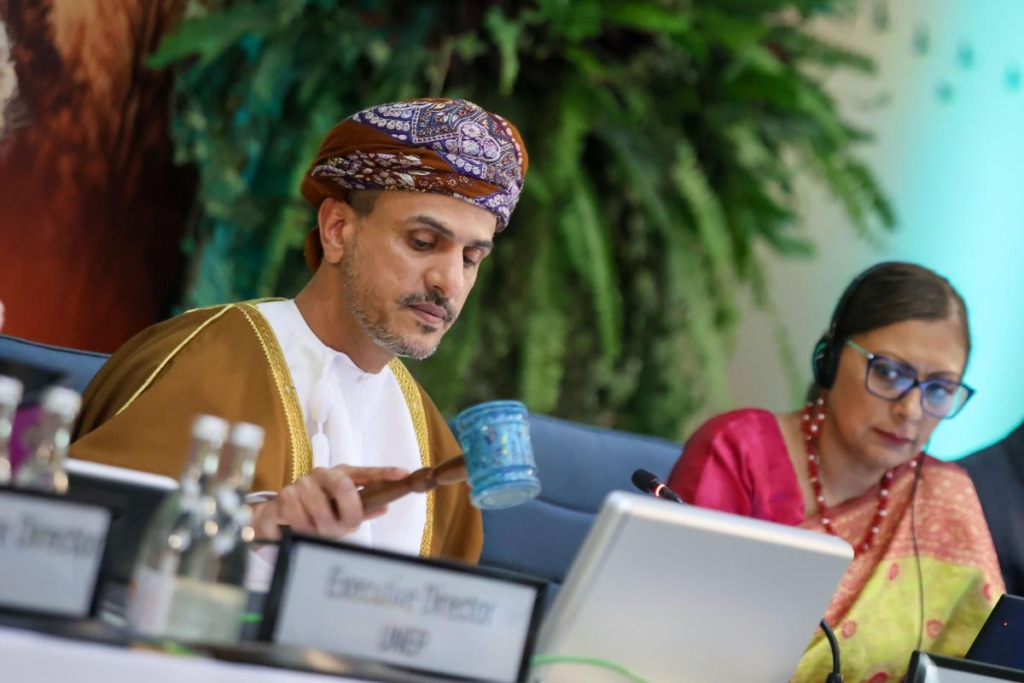
“The resolutions we adopt are living commitments,” he said, urging countries to safeguard the planet as a legacy for future generations.
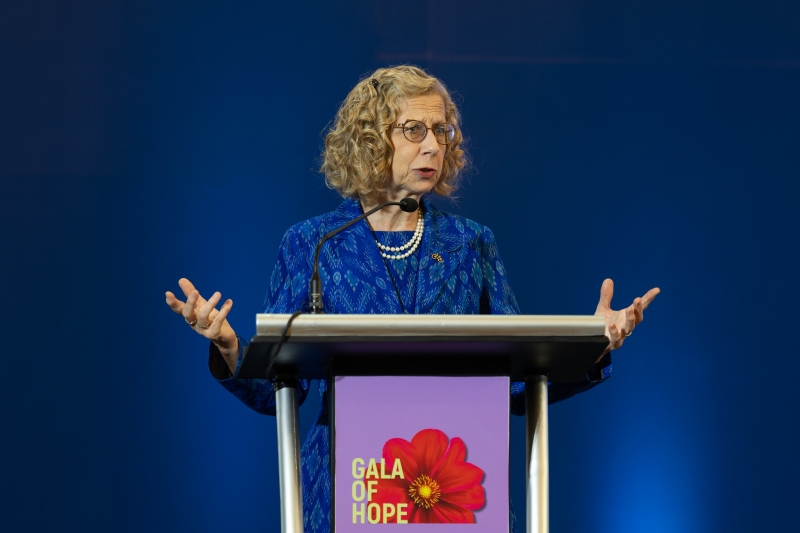
UNEP Executive Director Inger Andersen reinforced this urgency, cautioning that outside the negotiation halls, environmental impacts are already devastating communities.
“People are dying, homes and livelihoods are being destroyed, economies are being damaged, and inequity is growing because action on environmental challenges has not been fast or strong enough,” she said.
Youth voices were prominent at UNEA-7, as witnessed by the fact that the Assembly was preceded by the Youth Environment Assembly, which convened over 1,000 young delegates advocating for inclusion, empowerment, and meaningful participation in environmental governance.
Their engagement, ranging from side events to innovative climate solutions, demonstrated the growing influence of youth as drivers of transformative environmental action.
The Ministerial Declaration adopted at UNEA-7 calls for bold, equitable, and inclusive action, with countries committing to implement multilateral environmental agreements and frameworks while advancing sustainable solutions.
UNEA-7 ends with a clear message: the window for decisive action is closing, and climate resilience, youth engagement, and innovative solutions will define whether the world can stay within safe planetary boundaries.
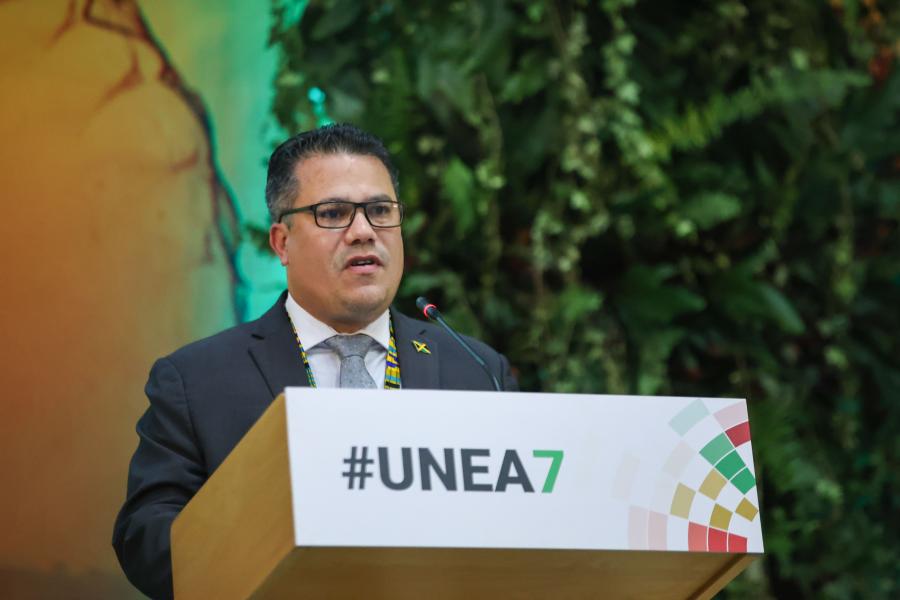
The incoming President set to preside over UNEA-8: H.E. Matthew Samuda, Minister of Water, Environment and Climate Change, jibed that the voices within carry the weight of communities on the frontlines of climate impacts. Emphasizing the need to note that these communities cannot afford delay and do not have the luxury of indifference.
He pledged to foster an Assembly marked by inclusivity, transparency, and practical action. Urging his fellow delegates on the need for working to strengthen the science-policy interface, scaling up financing for adaptation and resilience, and accelerating the transition to sustainable production and consumption systems.
“We must do so while ensuring that no state, large or small, feels excluded from the solutions we craft,” said Samuda.


