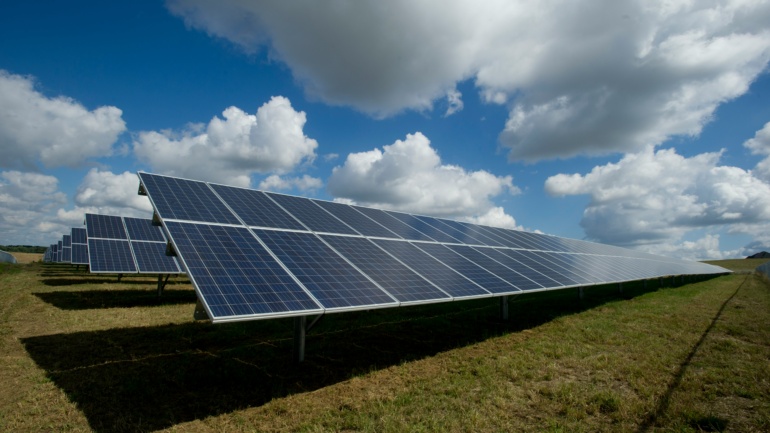
Climate change, biodiversity loss, and ecosystem degradation are no longer just environmental challenges; they have become central to how investors assess long-term resilience and returns.
Nature forms the foundation of much of the global economy, supporting essential services like water security, food production, infrastructure stability, and climate regulation.
However, the world faces a massive shortfall in funding for nature protection and restoration. According to recent analyses, including from BloombergNEF, the global biodiversity finance gap has widened to approximately USD 942 billion annually by 2030 to meet restoration and maintenance needs.
Current annual flows to nature hover around USD 200 billion, with private capital contributing only about USD 35 billion in earlier estimates, though private involvement is accelerating rapidly.
Private finance for nature has grown more than tenfold in recent years, increasing from USD 9.4 billion to over USD 100 billion. If the current momentum continues, this could reach USD 1.45 trillion by 2030.
Yet, according to the United Nations Environment Programme (UNEP), the global biodiversity finance gap is projected to reach USD 942 billion per year by 2030.
Presently, total finance flows into nature amount to around USD 200 billion annually, with only USD 35 billion coming from private capital.
Africa is at the heart of this transition. In South Africa alone, healthy ecosystems contribute over USD 14 billion each year, about 7% of GDP.
Across the continent, natural capital accounts for an estimated 30%–50% of total wealth in many countries, often exceeding the value of factories or infrastructure.
This underscores how economic growth, stability, and development prospects are closely tied to climate and nature outcomes. Environmental damage in African economies can quickly translate into pressure on public finances and long-term economic stability.
Recent climate-related events, including flooding in Kruger National Park and ongoing water stress in the Western Cape, have highlighted the direct economic and infrastructure risks posed by ecosystem degradation.
Investors are increasingly linking carbon markets, nature-based solutions, and climate adaptation infrastructure, creating new asset classes that integrate climate, biodiversity, and resilience considerations.
To accelerate investment in this emerging market, Africa’s Green Economy Summit (AGES) 2026 will open with the Climate, Carbon & Nature Financing Academy on February 24, ahead of the main summit from February 25–27.
The Academy will focus on translating climate, carbon, and nature into bankable projects and investable assets through instruments such as carbon markets, green, blue, and wildlife bonds, debt-for-nature swaps, and performance-linked finance.
Harsen Nyambe, Director of Sustainable Environment and Blue Economy at the African Union Commission, emphasized: “Investing in Africa’s adaptation and mitigation projects is not an act of generosity; it is an investment in our common future.”
By foregrounding climate, carbon, and nature finance at the start of 2026, AGES 2026 reflects a broader market reality: these are no longer side conversations in sustainable finance; they are becoming central pillars of Africa’s investment future.
Author Profile

- How can we learn if we don't question?
Latest entries
 COP3115 October 2026Pacific Leaders Call for Urgent Climate Action Ahead of COP31
 Agriculture13 October 2026Can the buffalo fix Kenya’s milk problem? Farmers say start with the feed bill
 Events12 October 2026Cybersecurity in the Floriculture Industry
 Opinion & Analysis8 October 2026Why Africa Must Look to What Already Exists in Its Blue Economy