As wars, trade tensions, and geopolitical rivalries continue to rattle global energy markets, a growing chorus of African climate and economic experts is warning that the continent’s long-standing dependence on fossil fuels is not delivering the prosperity it was promised.
A new report by Oil Change International and Power Shift Africa argues that decades of fossil fuel extraction across Africa have failed to reduce poverty, industrialize economies, or guarantee energy access. Instead, the report says, the model has entrenched inequality, deepened dependence on volatile global markets, and left millions of Africans exposed to rising living costs and economic shocks.
The report, Pipe Dreams: How Oil and Gas Fail to Deliver Economic Development in Africa, examined 13 oil and gas-producing countries and found a recurring pattern: nations rich in fossil fuels remain energy poor, heavily indebted, and structurally dependent on exports controlled largely by multinational corporations.
Despite exporting billions of dollars worth of oil and gas annually, many African countries still import refined fuels at high costs. At the same time, hundreds of millions of people continue living without electricity or access to clean cooking technologies.
The findings come at a pivotal moment for the continent, with Western powers aligning their energy interests with resource extraction on the continent.
Yet the report challenges that narrative directly as it reveals how the dependence on fossil fuels has done little to no impactful shift for the communities or regions of presence.
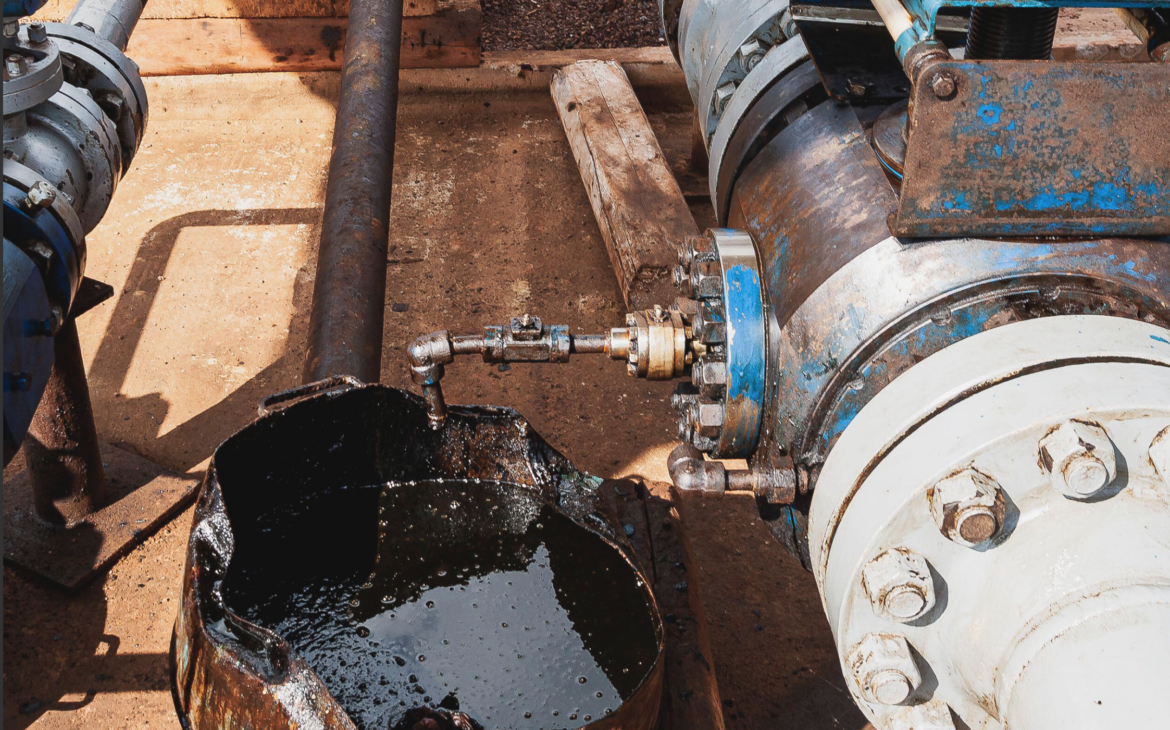
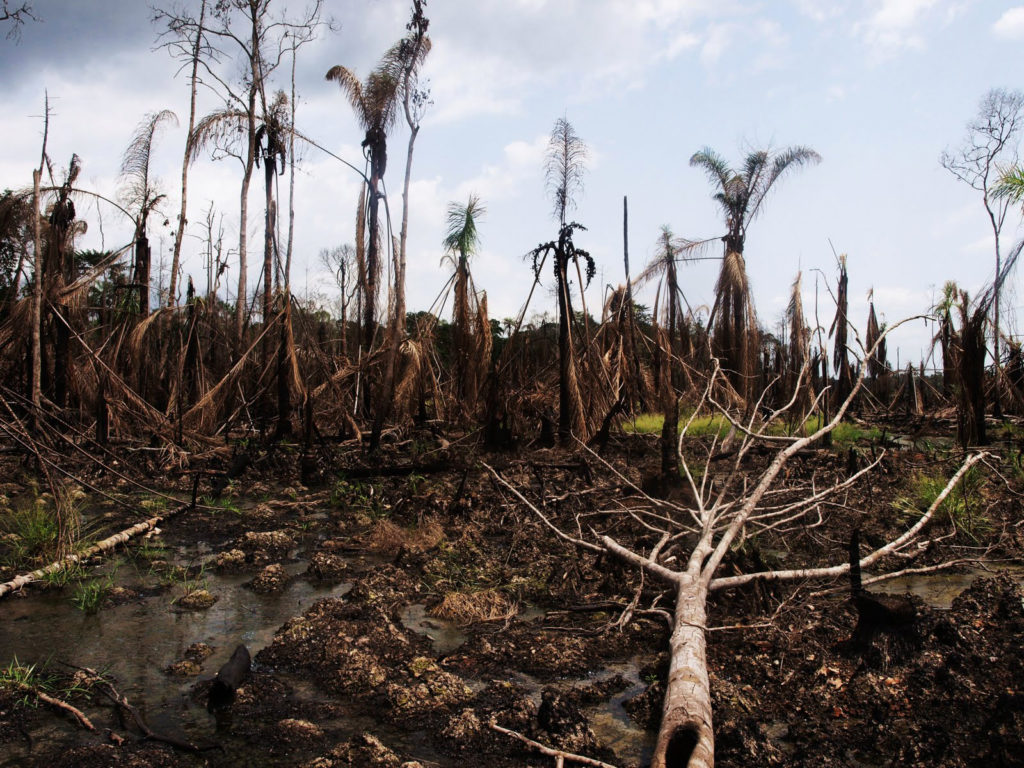
According to the researchers, fossil fuel wealth has historically flowed outward rather than inward, enriching groups of elites and multinational firms. All this is while leaving producing communities grappling with pollution, displacement, unemployment, and fragile economies, vulnerable to every swing in global energy prices.
The Resource Curse Revisited
The report paints a familiar but worsening picture of what economists often call the “resource curse.” Whereby countries abundant in fossil fuels like oil and natural gas are seen to experience slower economic diversification, weaker local industries, and greater exposure to inflation and debt crises.
In Africa, the report argues, this dynamic has become especially dangerous as the global energy transition accelerates and demand for fossil fuels faces long-term decline. An occurrence that creates the risk of stranded assets, expensive oil and gas projects that may never generate the expected returns, as the world gradually shifts toward cleaner energy systems.
For African economies already burdened by debt and fiscal instability, the implications could be severe, as Thuli Makama, Africa Director for Oil Change International, points out that the current global instability has exposed the deep fragility of fossil fuel dependence.
“Oil and gas have not and will not deliver development for Africa,” she said. “Instead, this model concentrates wealth in the hands of multinational corporations and political elites, while communities are harmed by pollution, lost livelihoods, and rising costs of living.”
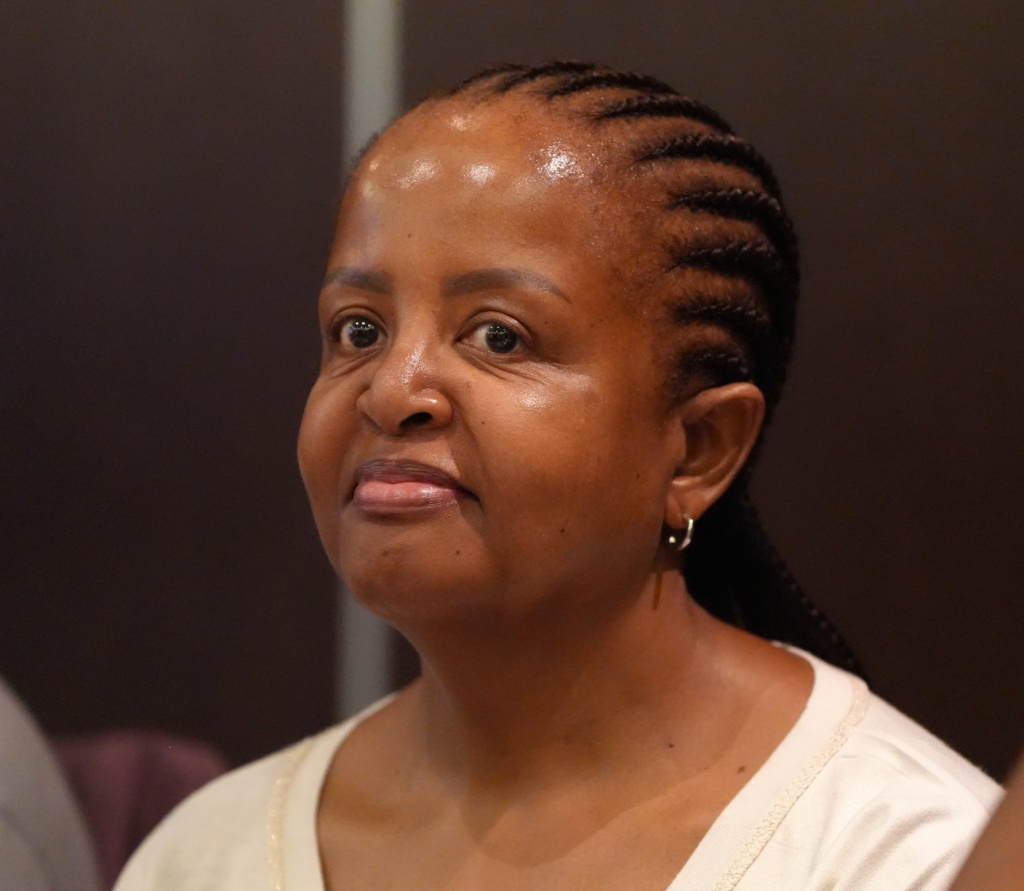
Makama added that recent geopolitical conflicts have intensified food and energy inflation, pushing vulnerable households closer to crisis. “The only way forward is a shift to renewable energy that puts people first and delivers real, lasting development,” she said.
Her remarks echo mounting concerns across the climate movement that Africa risks becoming locked into infrastructure that may soon lose global economic relevance, even as climate impacts intensify across the continent.
A Continent Rich in Resources, Poor in Access
Perhaps the report’s sharpest contradiction lies in Africa’s energy reality itself, with vast resources bestowed in it yet faced with massive energy poverty.
The continent contributes only a small fraction of historical global emissions, yet it remains home to some of the world’s highest levels of energy poverty. More than 600 million Africans still lack access to electricity, while nearly a billion rely on polluting cooking fuels.
For campaigners, this exposes what they describe as the fundamental failure of extractive energy systems that prioritize exports over domestic access.
Mohamed Adow, Founding Director, Power Shift Africa, warned that Africa is once again being sold what he called a “fossil fuel fairytale.”
“Decades of oil and gas extraction have left producing countries more exposed to global shocks, not less, with wealth flowing out, not down,” he said.
“At a time when the world is moving on from fossil fuels, doubling down on this broken model risks locking African economies into stranded assets and rising debt.”
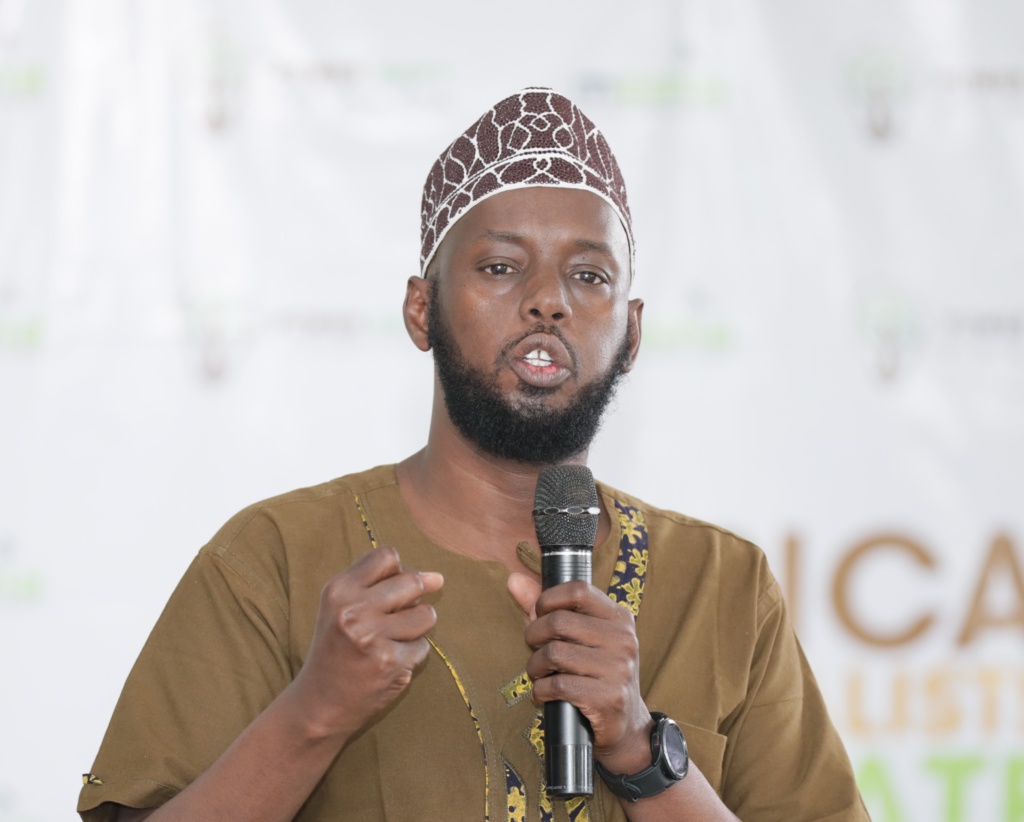
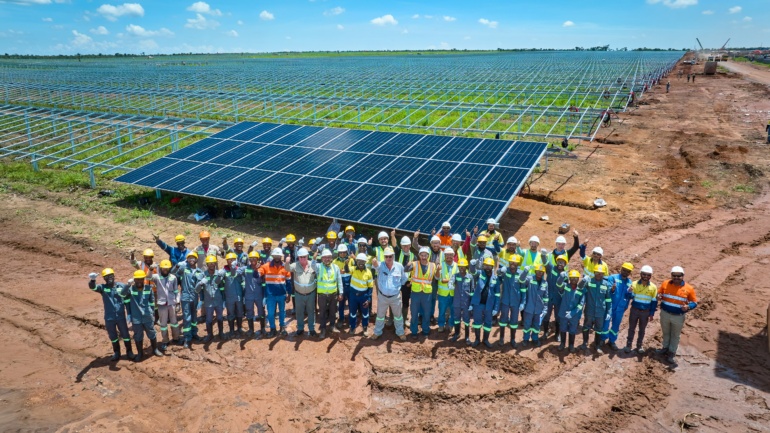
Adow argued that Africa’s real opportunity lies in scaling renewable energy systems capable of creating local jobs, expanding electricity access, and retaining value within domestic economies. That argument is increasingly gaining traction as renewable energy costs continue to decline globally.
The Battle Over Africa’s Energy Future
The debate, however, remains deeply contested as African governments have repeatedly argued that wealthy nations, whose industrial growth was powered by fossil fuels, cannot now deny developing countries the same pathway.
Leaders have also pointed to ongoing financing inequalities, noting that Africa receives only a fraction of global clean energy investment despite possessing vast renewable energy potential. Although climate advocates increasingly counter that the issue is no longer simply about emissions, it is about economic survival in a rapidly changing global market.
Kudakwashe (Kuda) Manjonjo, Just Transition Advisor and Lead on Critical Minerals and Green Industrialization at Power Shift Africa, said the problem is not African countries themselves, but the extractive model imposed around fossil fuel development.
“Across Africa, we’ve seen the same pattern repeated: countries rich in oil and gas remain energy poor, and communities are left behind,” he said.

“This is not a failure of African countries, it is a failure of an extractive model that was never designed to deliver development.”
Majonjo argued that Africa’s long-term prosperity lies not beneath the ground, but above it, in the continent’s vast renewable energy potential.
From the geothermal fields of Kenya’s Rift Valley to the solar corridors of the Sahel and the wind resources along Africa’s coastlines, analysts increasingly see the continent as one of the world’s future clean energy frontiers.
The question now is whether governments, financiers, and global institutions are willing to invest in that transition quickly enough, before another generation becomes trapped in what critics describe as the false promise of fossil fuel prosperity.
Author Profile

-
Seeker.
Inspire AFRIKA.
Latest entries
 Corporate15 October 2026Water, Sanitation and Digital Learning at the Centre of Garissa School Upgrade
 Agriculture14 October 2026Africa’s Food Systems Future Depends on Listening to Farmers
 Weather Forecasts13 October 2026Rain and Rising Temperatures Forecast Across the Greater Horn of Africa
 Climate9 October 2026Beyond Negotiations: Africa Expects Concrete Outcomes from Antalya