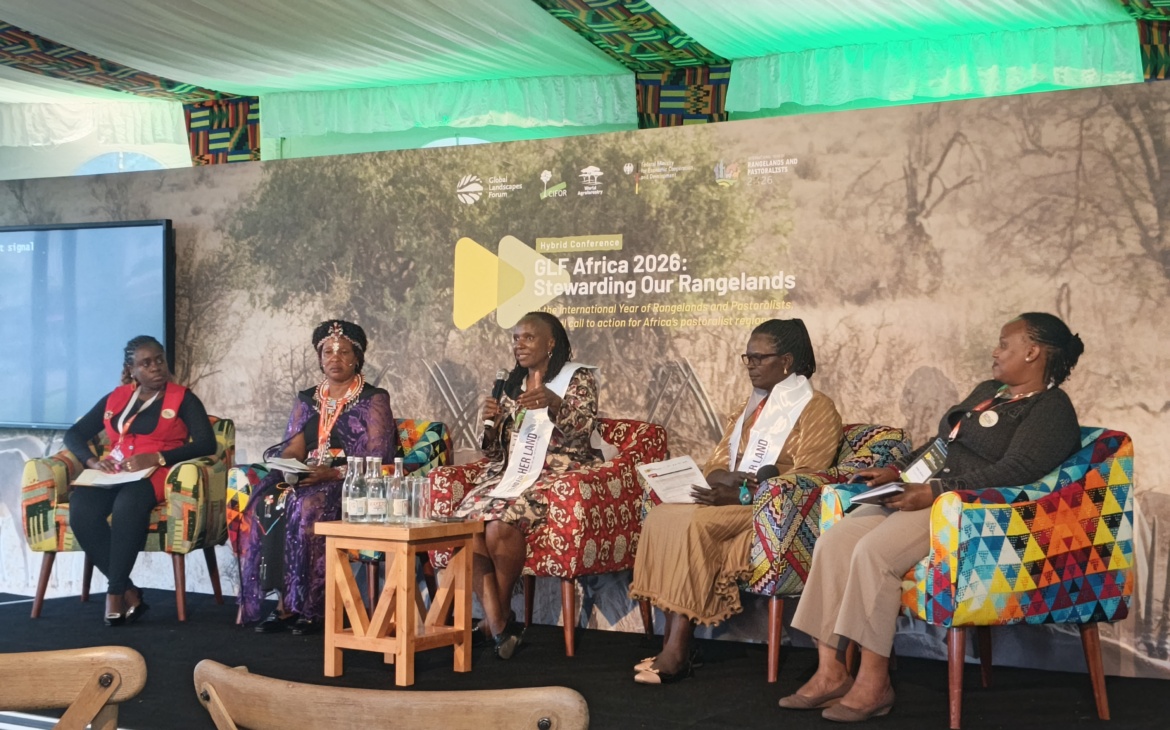
As the Global Landscapes Forum (GLF) came to a close in Nairobi yesterday, it was clear that women’s leadership in land governance is already reshaping food systems, climate resilience, and local governance, but investment, implementation, and recognition still lag.
“When a woman has land, she does not just grow food. She builds everyone’s future,” said Janet, a grassroots women leader from Uganda and representative of the Stand 4 Her Land (S4HL) initiative, during a panel discussion on women’s leadership for just and sustainable food systems.
Grassroots, pastoralist, and indigenous women are not merely beneficiaries of land reform and climate policies but central actors shaping sustainable food systems, community resilience, and governance across Africa.
“Land rights are not just about property ownership. They are about power, security, and equality,” Janet added.
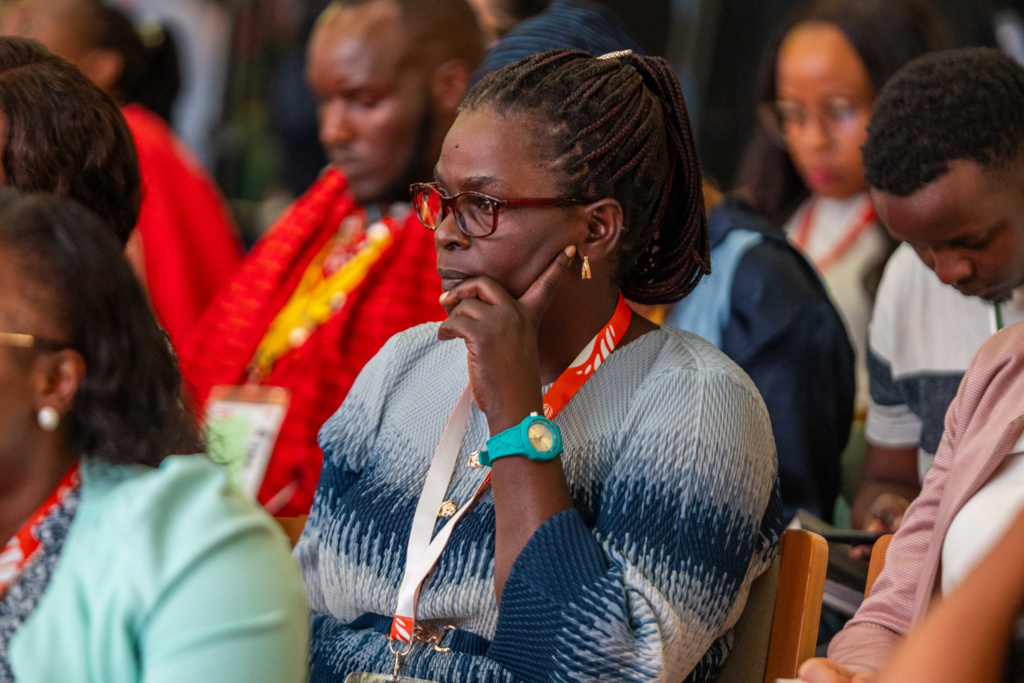
Across African agricultural systems, women form the majority of food producers but remain marginalized in land ownership. According to UN Women, 70 to 90 percent of all wealth in Africa is generated through land, yet women own less than 10 percent.
Grassroots Women Are Already Leading Change
However, grassroots communities are no longer waiting for change; they are organizing collectively.
“Grassroots women become stronger when they organize locally and connect to national and global movements,” said Lois Kemuli of GROOTS Kenya, a grassroots women’s organization in Laikipia County, Kenya.
Women in her community are organizing self-help groups and embracing table banking to secure financial independence. These collectives have also enabled greater participation in county planning and strengthened women’s influence in land governance committees.
As a result, one Mary Masai became the chairperson of a rangelands committee despite her lack of formal education.
“She had never gone to school, but she stood firm and became the first woman to chair a rangelands committee,” Kemuli said. “Nowadays, women participate. They stand for their rights.”
Pastoralist communities experience land governance differently because communal land systems dominate. According to Anne Dicko of PINGO’s Forum, individual ownership matters, but collective land governance also matters deeply.
Consequently, digital inclusion and representation remain key to overcoming barriers associated with land rights.
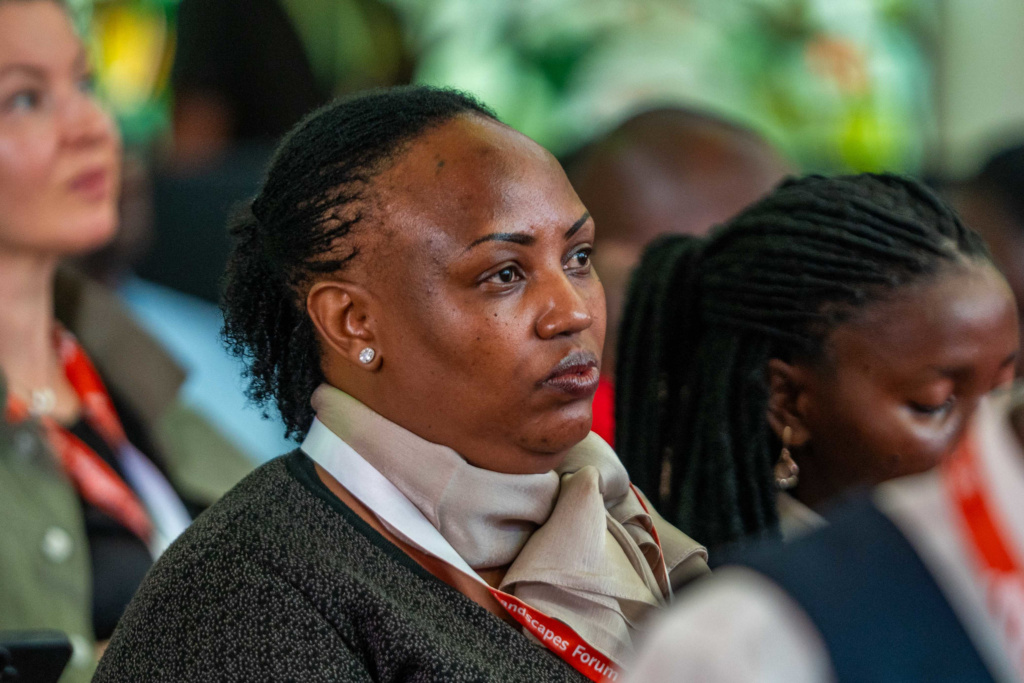
“A gathering is not a movement. A space is not governance,” Anne said, adding that voices amplified at the continental level must draw their strength from the ground.
She emphasized that participation cannot be meaningful if women cannot afford transport, airtime, or digital access, making economic empowerment and inclusion critical.
According to Mary Maneno, Regional Advocacy and Campaigns Manager for International Land Coalition Africa, partnerships are critical, but so is local power.
“We are moving from being passive participants to active decision-makers,” she said. “The ball is in our court to pull together the various stakeholders.”
She highlighted that bridging global policy and village realities is essential for implementation, emphasizing the role of chiefs and religious leaders in strengthening community organizations.
Climate and Food Systems
Across Africa’s rural and pastoralist communities, women remain among the primary food producers and natural resource managers, yet many continue to face barriers to land ownership, participation in governance, and access to financing.
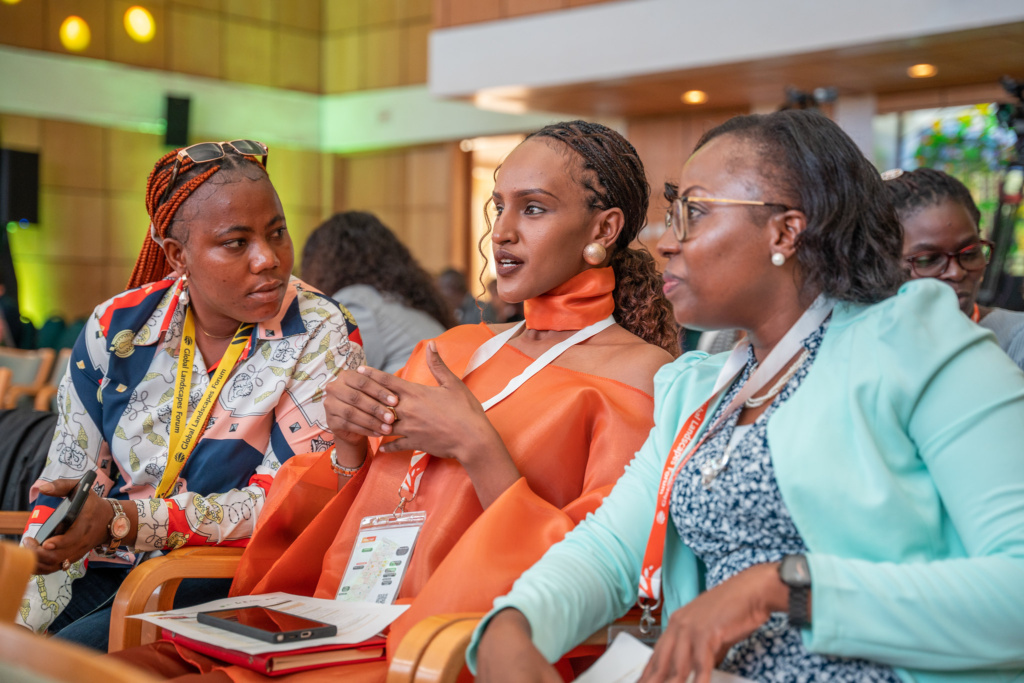
Speakers at the session emphasized that these inequalities directly affect how communities respond to climate change, land degradation, and biodiversity loss.
Mary Maneno of the International Land Coalition noted that the conversation can no longer isolate land rights from broader environmental debates.
“How best can we continue making the connections between land rights and the global debates around climate change, biodiversity, and restoration?” she asked, calling for a more integrated approach that places women at the center of climate and land governance strategies.
“The discussion comes at a significant global moment, coinciding with the International Year of Rangelands and Pastoralists and the International Year of the Woman Farmer, both of which are critical opportunities to elevate women’s voices in environmental governance,” said Esther Mwamure, Global Advocacy Director for the Stand for Her Land Campaign.
From Talk to Action
Despite growing recognition of women’s role in food production, climate adaptation, and land stewardship, speakers warned that progress will remain fragile without stronger implementation, financing, and accountability. Momentum exists, they noted, but implementation and financing remain weak.
“The rollback on women’s rights reflects the fact that we are succeeding,” said Macy Vigoda, Director of the International Land Coalition.
She added that while policies protecting women’s land rights exist in many countries, enforcement at the community level remains inconsistent, particularly in rural and pastoralist areas where patriarchal norms continue to shape access to land and decision-making spaces.
“Therefore, we must move beyond conferences and declarations toward tangible support for grassroots women already driving change in their communities,” she said.
Looking ahead, the panel identified major global opportunities to push women’s land rights higher on the international agenda, including the International Year of Rangelands and Pastoralists, the International Year of the Woman Farmer, and upcoming climate COP processes.
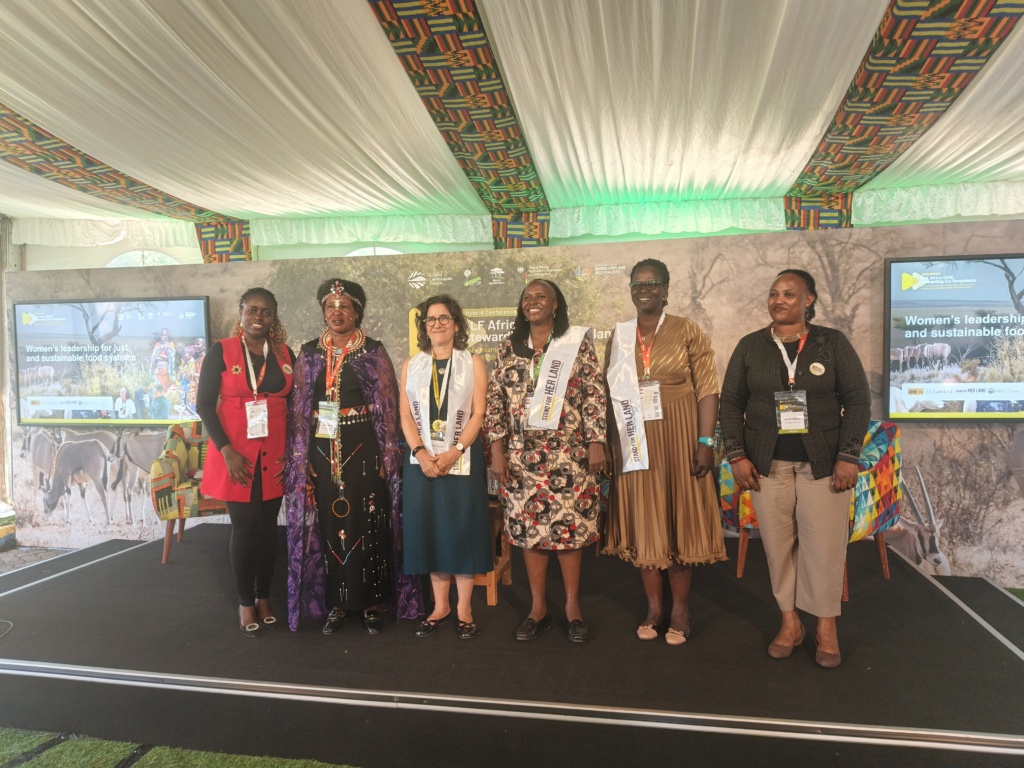
For meaningful progress, future development frameworks beyond the Sustainable Development Goals must continue recognizing land rights as central to food systems, climate resilience, and social justice.
Across the discussions in Nairobi, one message remained clear: women are no longer asking to be included in land governance conversations; they are already leading them. The question now is whether policies, financing, and institutions will finally catch up.
Also Read: The Myth of Rangelands Costing Africa Its Future
Author Profile

- How can we learn if we don't question?
Latest entries
 Events21 October 2026New Guide Links Animal Welfare to Biodiversity and Human Health
 COP1717 October 2026The World Has a Plan to Save Nature. Can It Deliver by 2030?
 Agriculture16 October 2026“There Is No Shortcut”: A Kiambu Grower’s Decade in Mushrooms
 COP3115 October 2026Pacific Leaders Call for Urgent Climate Action Ahead of COP31