
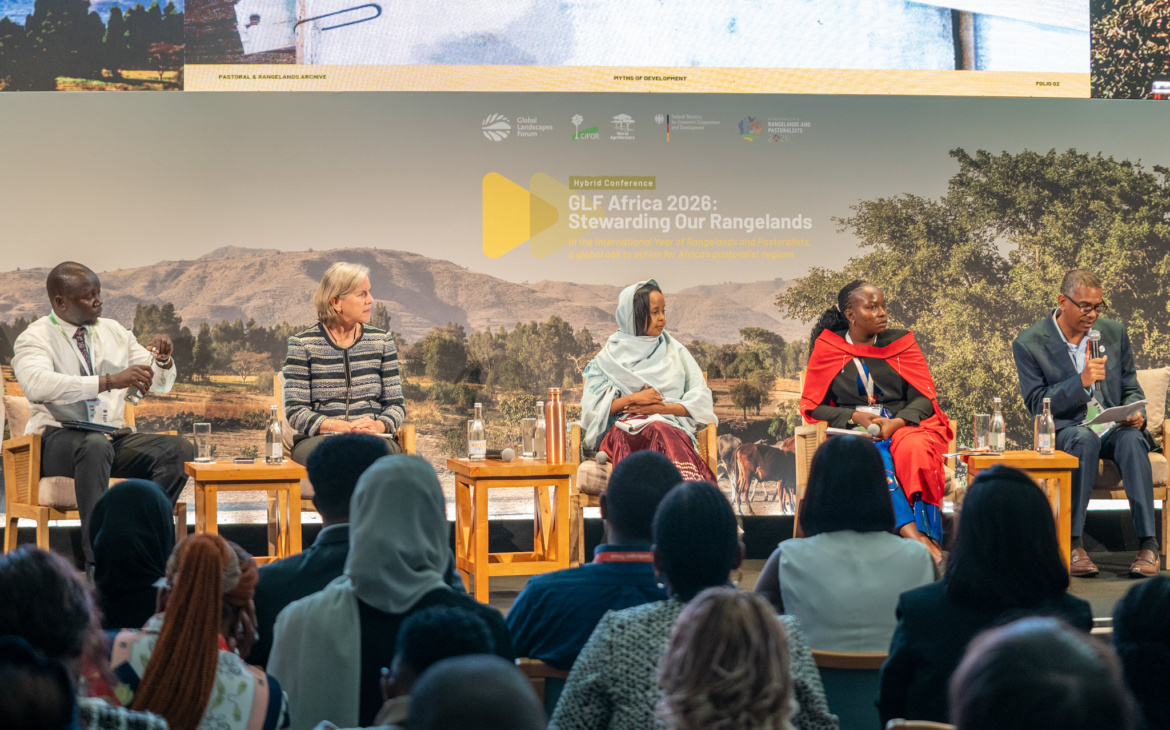
“Rangelands.” What comes to mind at the mention? Empty, unproductive, perhaps landscapes that contribute little to climate action.
What if everything you think you know… is wrong?
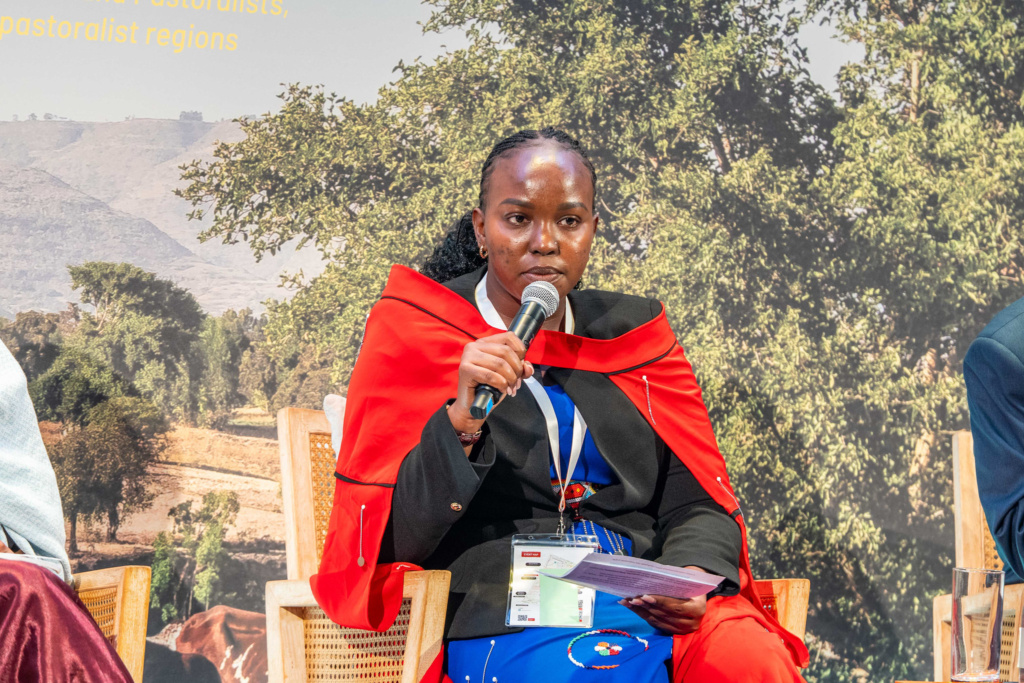
“Both rangelands and pastoralism are dynamic, knowledge-rich systems of land stewardship that sustain livelihoods, biodiversity, and resilience in some of the world’s most variable environments,” said Vivian Silole Malih of Impact Kenya, during the Global Landscapes Forum held in Nairobi from May 6–7.
Themed “Stewarding Our Rangelands,” and held in the International Year of Rangelands and Pastoralists, the forum set out to challenge long-held assumptions, placing pastoralist communities not at the margins, but at the centre of global conversations on climate resilience, conservation, and sustainable land use.
During the opening plenary session, one message was clear: the problem is not rangelands themselves, but how they have been misunderstood, misrepresented, and mismanaged over time.
For decades, rangelands have been framed as degraded, underutilized, or even wasted spaces, narratives that have shaped policies, justified land dispossession, and sidelined the very communities that have sustained these ecosystems for generations.
But as speakers emphasized, these perceptions are not only inaccurate, they are structurally misleading.
The myth of degradation
“Rangelands are not degraded by default; they are highly dynamic ecosystems shaped by variability and pastoral stewardship,” said Igshaan Samuels, a rangeland scientist whose work focuses on ecosystem dynamics and pastoral systems.
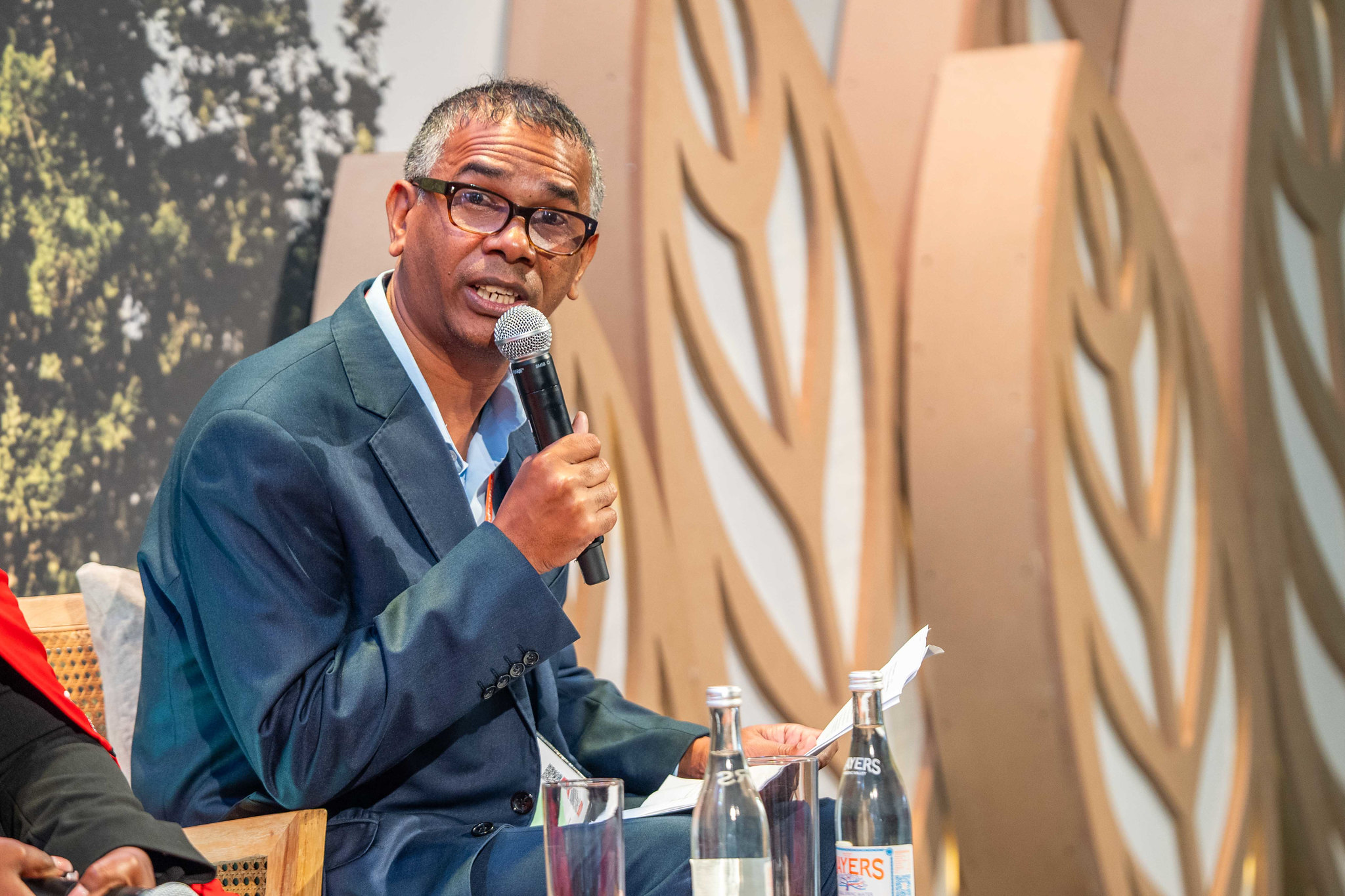
One of the most persistent misconceptions, he explained, is the idea that healthy land must always appear green, stable, and visibly productive.
“In these systems, change is not a sign of failure; it is a sign of ecological function,” he said.
Seasonal browning, often misread as degradation, is in fact part of the natural rhythm of survival in arid and semi-arid ecosystems. Yet these landscapes are frequently judged using agricultural or urban benchmarks that do not apply to them.
“Seasonal browning is not degradation. It is survival,” he added.
This misunderstanding, he noted, is not just ecological; it is also political. When land is labelled as degraded, it becomes easier to justify interventions such as conversion, enclosure, or alternative land use projects that exclude pastoral communities.
Invisible systems beneath “empty land.”
If rangelands are misunderstood ecologically, they are also deeply misread socially.
“What looks like disorder from the outside is actually highly coordinated systems of collective stewardship,” said Vivian Silole.
She challenged the widely held assumption that rangelands are open-access spaces prone to misuse.
“This assumes there are no systems, no rules, no coordination, and no accountability,” she said. “But this is not the case.”
Instead, pastoral landscapes are governed by customary institutions, indigenous knowledge systems, and collective decision-making structures that regulate access, movement, and resource use.
“The problem is not pastoralism, the problem is how pastoralism is recognized,” she said.
Silole also pointed to how historical narratives have shaped present-day perceptions. Colonial land policies, she argued, played a key role in redefining mobile landscapes as “empty” or “idle” if they were not permanently settled or cultivated.
“Calling rangelands wastelands erases the systems that have sustained them for generations,” she said.
Mobility is not chaos
For pastoralist leaders like Fozia Noor, the mischaracterisation of mobility remains one of the most damaging myths.
“Mobility is not chaos. It is how pastoralists follow the rhythm of nature,” she said.
Contrary to common assumptions, movement is not random; it is strategic, seasonal, and ecological.
“Pastoralism is not backward; it is a system built on abundance,” she added.
She emphasized that livestock systems, such as camel pastoralism, demonstrate self-sufficiency rooted in ecological adaptation rather than external inputs.
“These communities had functioning systems long before colonial frameworks tried to redefine them,” she said.
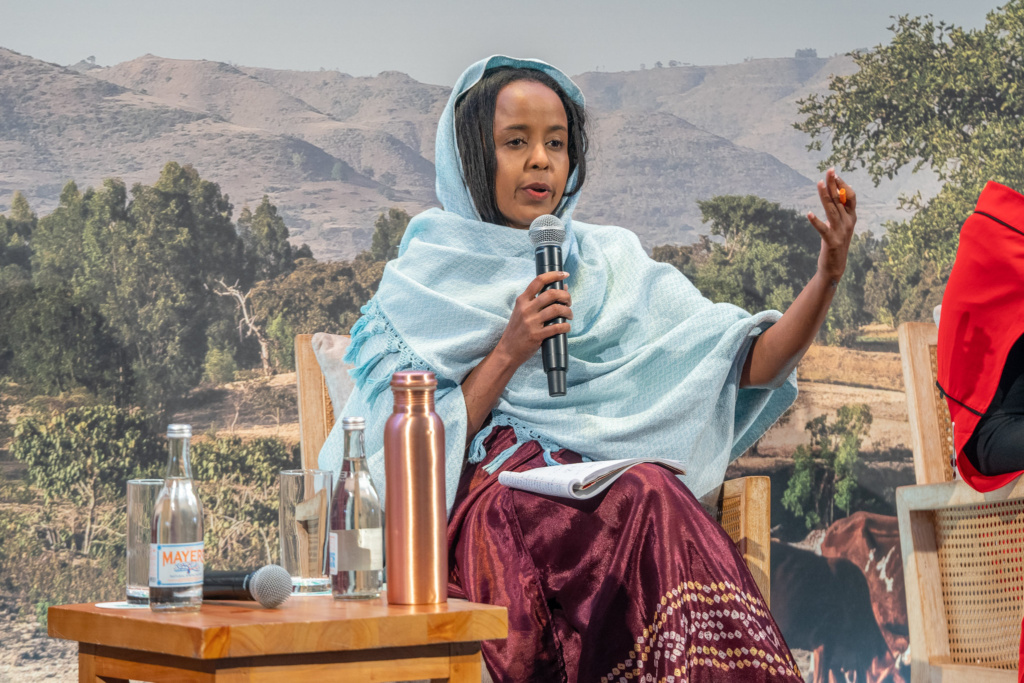
Mobility, she emphasized, is not a problem to be solved, it is a solution embedded in environmental variability.
Pastoralism as a climate strategy
Beyond correcting misconceptions, speakers repeatedly returned to a more urgent framing: pastoralism as a climate asset.
“Well-governed mobile pastoralism is itself a conservation strategy,” said Dr. Susan Gardner of UNEP.
She challenged the long-standing assumption that conservation and pastoralism conflict.
“The myth that conservation and pastoral use are based on a trade-off has shaped policy for decades,” she said. “But that trade-off is not inevitable.”
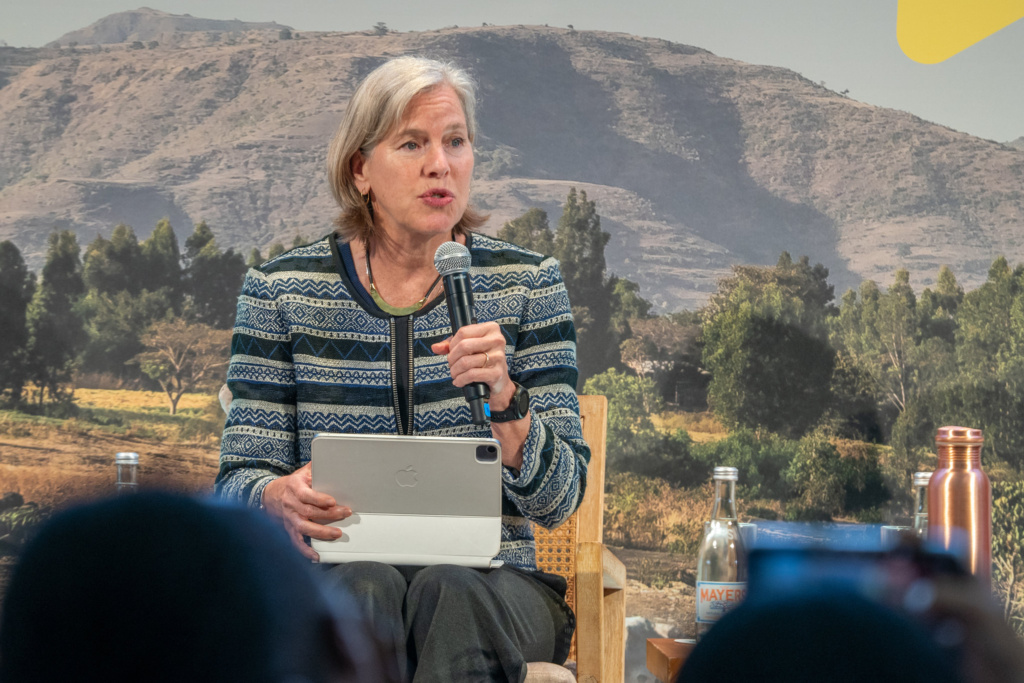
Historically, conservation approaches often sought to exclude pastoralists from protected areas, assuming that human presence undermines ecological outcomes. However, this approach overlooked the ecological role of grazing, movement, and landscape connectivity.
“We have seen policy favor sedentary approaches because they are easier to measure and enforce,” she said. “But what is easier is not always what is better.”
Modern evidence, she added, increasingly shows that well-managed pastoral systems contribute to biodiversity, soil health, and ecosystem resilience.
The policy gap: from evidence to action
Despite growing scientific consensus, a major challenge remains: translating knowledge into policy.
“We need to move away from evidence just for information and towards evidence for influence,” said Igshaan Samuels.
She noted that while research on rangelands is abundant, it often fails to shape real-world decision-making.
“The challenge is not lack of evidence; we already have it,” she said. “The challenge is translating it into decisions.”
This requires reframing scientific outputs in ways that speak to policymakers, financiers, and development planners, highlighting economic value, avoided losses, and resilience returns.
“If we express the evidence in terms of what we stand to lose, it becomes harder to ignore,” she added.
Reclaiming knowledge and narrative power
A recurring theme throughout the discussion was the need to reposition pastoral communities not as subjects of research, but as producers of knowledge.
“When communities own data and knowledge, they can shift narratives themselves,” said Vivian Silole.
She highlighted emerging tools such as biocultural mapping, which allow communities to document land use, cultural systems, and ecological relationships in ways that strengthen advocacy and land rights.
“This is power,” she said. “It allows communities to evidence their existence and their systems on their own terms.”
Fozia Noor echoed this sentiment, emphasizing the importance of aligning development systems with indigenous knowledge.
“If we design systems for pastoralists, they must work with nature, not against it,” she said.
Rethinking conservation and the future of rangelands
One of the most significant shifts emerging from the discussion is the redefinition of conservation itself.
“Conservation and pastoralism are not opposing forces,” said Dr. Susan Gardner. “They are complementary.”
She cited examples where co-management approaches have transformed degraded landscapes into productive ecological systems through collaboration with local herders.
“What we get is increased productivity, higher incomes, and restored ecosystems,” she said.
These examples challenge the long-standing idea that protection requires exclusion.
Instead, they suggest that the future of conservation may depend on inclusion.
Beyond the myth
As the session closed, it was clear that rangelands are not broken systems in need of fixing; they are misunderstood systems in need of recognition.
The real question, as one speaker put it, is not what rangelands are worth.
It is what is lost when they are misunderstood.
In a world increasingly shaped by climate uncertainty, ecological fragmentation, and competing land uses, pastoral systems may hold lessons not for the past, but for the future.
Or as one reflection from the session suggested:
Somewhere between what we label as right or wrong, degraded or productive, lies a landscape we are only beginning to understand.
And perhaps, a future we are still learning to see.
Author Profile

- How can we learn if we don't question?
Latest entries
 Events21 October 2026New Guide Links Animal Welfare to Biodiversity and Human Health
 COP1717 October 2026The World Has a Plan to Save Nature. Can It Deliver by 2030?
 Agriculture16 October 2026“There Is No Shortcut”: A Kiambu Grower’s Decade in Mushrooms
 COP3115 October 2026Pacific Leaders Call for Urgent Climate Action Ahead of COP31


