As cities worldwide grapple with intensifying climate impacts, widening inequality, rapid urbanisation, and growing housing deficits, the C40 Cities and UN-Habitat Urban Planning Accelerator have emerged as one of the defining urban climate initiatives unveiled during the World Urban Forum (WUF) in Baku.
Positioned as a blueprint for rethinking how cities grow and function, the initiative seeks to shift urban development away from sprawling, car-dependent models toward more inclusive, resilient, and low-emissions cities. So far, 33 cities across the globe have endorsed the Accelerator, committing to adopt climate-responsive urban planning approaches by 2035.
The initiative was presented during the session “Urban Planning is Climate Action: The C40–UN-Habitat Accelerator,” where city leaders, planners, and development partners emphasized the central role urban planning plays in confronting the climate crisis.
Rather than treating climate action as a standalone sector, the Accelerator integrates mitigation and adaptation directly into land-use strategies, housing policies, master plans, and urban development frameworks. Through technical assistance, peer learning, policy guidance, and access to global expertise, participating cities are expected to embed climate resilience into the foundations of future urban growth.
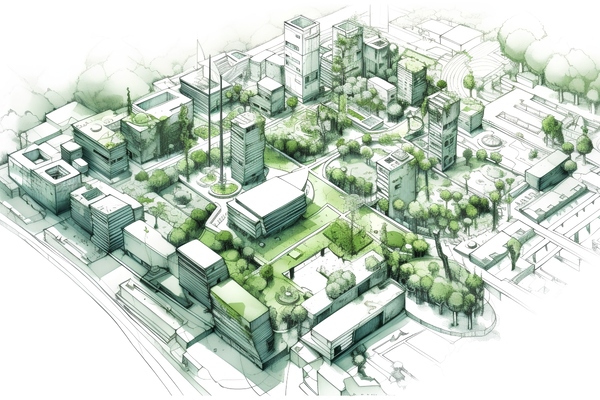
At its core, the initiative calls on cities to rethink how urban spaces are designed and managed amid rising climate risks and accelerating urban expansion. Signatory cities have committed to reducing greenhouse gas emissions through compact, connected, and polycentric urban development while prioritising regeneration and densification over unchecked urban sprawl.
The framework also encourages transit-oriented development, mixed-use neighbourhoods, protection of natural ecosystems, restriction of development in high climate-risk zones, and expansion of affordable and adequate housing for vulnerable communities.
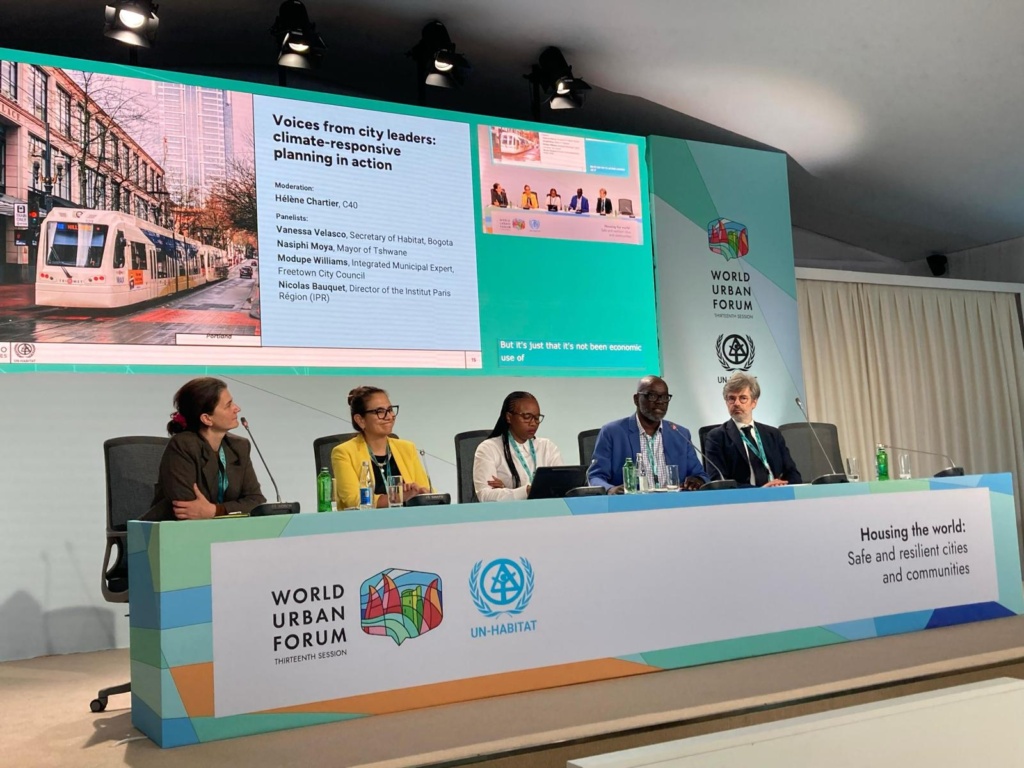
Dr. Nasiphi Moya, Mayor of Tshwane, South Africa, said the city views climate-responsive urban planning as both a climate and social priority.
“For us, this is not only about meeting climate targets, but about building a city that is more resilient, more inclusive, and better connected for all residents, ” she said.
Moya noted that Tshwane is already implementing transit-oriented development, protecting environmentally sensitive areas and promoting integrated urban growth aligned with the Accelerator’s principles.
Meanwhile, Fortaleza Mayor Evandro Leitão said the Brazilian city has already begun replicating the initiative’s framework through its newly launched Master Plan.
“Fortaleza is already replicating the principles of the Urban Planning Accelerator through our recently launched Master Plan, which expands environmental protection areas and guides the city’s sustainable and planned growth,” he said.
According to Leitão, Fortaleza has expanded its Cultural Heritage Preservation Zones from four to eight areas while increasing protected environmental areas by 20 percent as part of efforts to safeguard both ecological and historical assets.
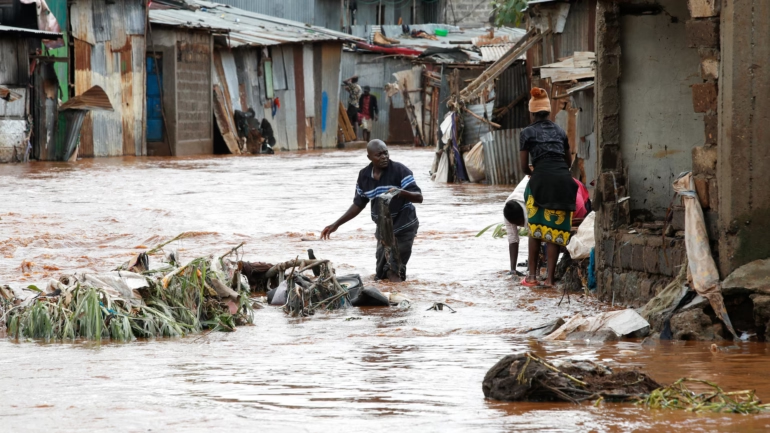
The initiative comes against the backdrop of mounting pressure on urban systems globally. Urban land area is expanding up to 50 percent faster than population growth, while urban areas could triple in size by 2050 if current trends persist. At the same time, green spaces around cities declined by nearly 29 percent between 1990 and 2020, even as more than one billion people continue living in slums and informal settlements worldwide.
Shubhagato Dasgupta, Chief of Planning and Finance at UN-Habitat, said the Accelerator places housing and equity at the centre of local climate responses.
“The C40 and UN-Habitat Urban Planning Accelerator empowers cities to plan for people, planet, and equity, creating communities that are not only sustainable, but truly livable for all,” he said.
Mark Watts, Executive Director of C40 Cities, said mayors are increasingly translating climate ambition into practical action within communities.
“Across the world, mayors are showing that good urban planning is climate action, from creating more connected and inclusive communities to reducing emissions and protecting people from growing climate risks,” he said.
Discussions during the World Urban Forum highlighted examples from cities including Tshwane, Fortaleza, and Bogotá, demonstrating how local governments are already integrating climate mitigation and adaptation into planning decisions. Delegates also stressed the importance of multilateral cooperation and city-level leadership in accelerating implementation.
Current signatories to the Urban Planning Accelerator include cities from Africa, Latin America, Europe, Asia, and North America, among them Accra, Cape Town, Dar es Salaam, Johannesburg, Rio de Janeiro, Bogotá, Barcelona, Paris, Tokyo, and Vancouver.
Financing Urban Resilience Remains a Major Challenge
Beyond planning reforms, discussions at WUF also focused heavily on the financing gap facing urban climate action.
City leaders and development finance actors noted that while cities are already implementing climate solutions on the ground, scaling up resilient infrastructure, affordable housing, sustainable mobility, and nature-based development will require significantly increased domestic and international climate finance.
The dialogue was built on recent C40 Cities research on adaptation finance and outcomes from the fourth high-level roundtable between multilateral development banks and mayors.
Participants emphasised that stronger collaboration between cities, financial institutions, and international partners will be critical in closing the urban climate finance gap and advancing adaptation goals agreed at COP30.
Author Profile

-
Seeker.
Inspire AFRIKA.
Latest entries
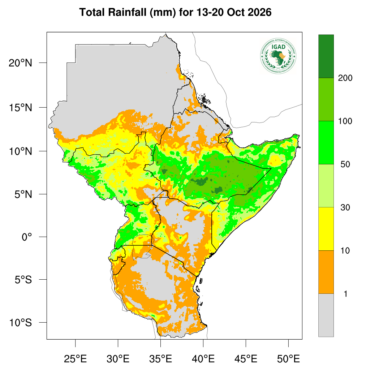 Weather Forecasts13 October 2026Rain and Rising Temperatures Forecast Across the Greater Horn of Africa
 Climate9 October 2026Beyond Negotiations: Africa Expects Concrete Outcomes from Antalya
 Animals7 October 2026In Kajiado’s Drylands, Collective Selling of Small Herds Is Changing the Livestock Trade
 Oceans6 October 202640 Years of Ocean Cooperation: The Western Indian Ocean’s Next Test Is Implementation