
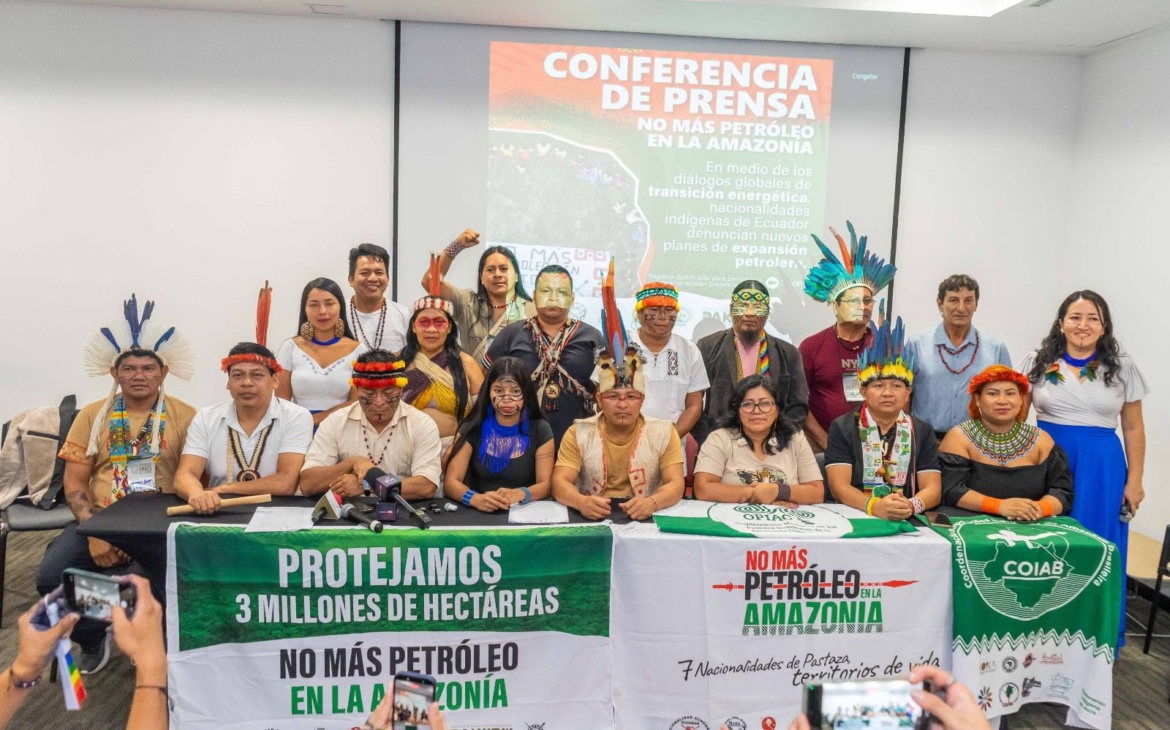
When Indigenous leaders gathered in Belém last November for COP30, they came with centuries of resistance and a simple, urgent demand: include us, or the transition fails. In Santa Marta, Colombia, five months later, they said it again, louder, with even less patience for delay.
On Sunday, April 26, 2026, the Pre-Assembly of the Peoples (Preasamblea de los Pueblos) brought together hundreds of community representatives as part of the lead-up to the First International Conference on Transitioning Away from Fossil Fuels, co-hosted by Colombia and the Netherlands.
For the Indigenous delegations present, including OPIAC, the Achuar Nationality of Ecuador, Murui communities, and Amazonian and Andean organizations, this was not another dialogue. It was a continuation of a decades-long fight, one that COP30 had brought into sharper global focus.
The core of their message in Santa Marta echoed what they had carried to Belém, and to countless climate forums before: no extraction in Indigenous territories.
“The Indigenous peoples of the world have made historic demands, such as the non-extraction of natural resources from our territories, so that the resources within them remain intact,” said Óscar Daza, Secretary General of OPIAC, addressing delegates at the Pre-Assembly.
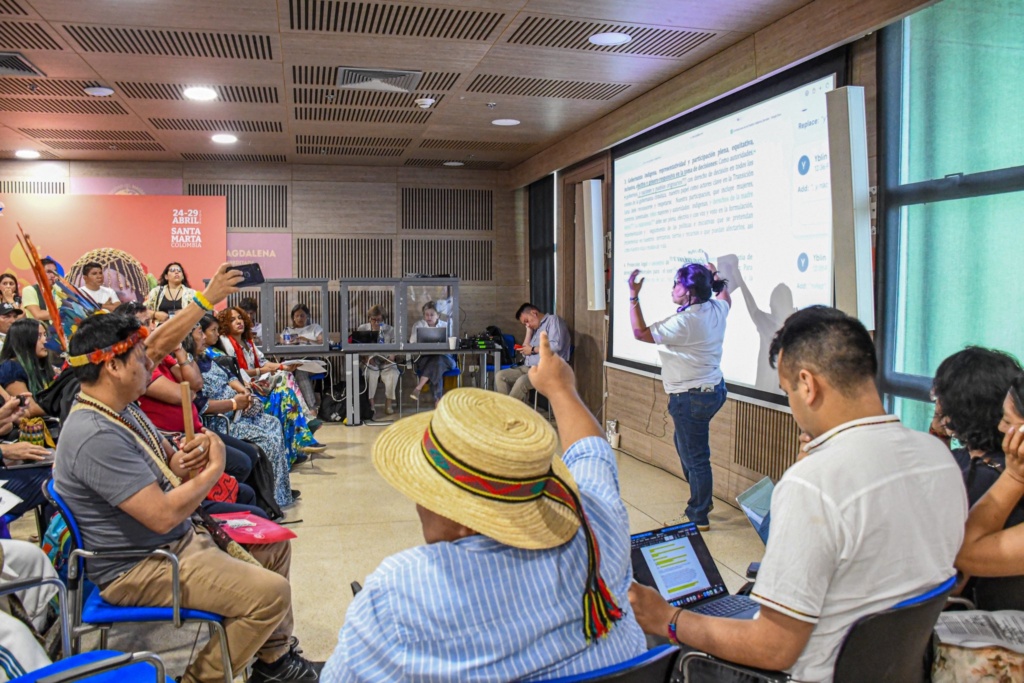
He called on States to ensure those long-standing struggles are finally reflected in the design of just transition processes.
At COP30, the fight was for access; only 14% of Indigenous representatives were expected to reach the Blue Zone, where negotiations took place, a statistic that triggered protests, sit-ins, and flotillas along Guajará Bay.
In Santa Marta, the concern shifted: not just whether they could enter the room, but whether the room was willing to hear them.
Edison Canelos, Vice President of the Achuar Nationality of Ecuador, brought that contradiction into stark relief. His government, he said, had approved new oil exploration blocks in Pastaza, without prior consent, consultation, or any decision by the communities who are the rightful stewards of that land.
His demand was straightforward: leave the oil in the ground and support alternatives, community tourism, bio-enterprises, and Indigenous economies that sustain forests and rivers rather than extract from them.
Patricia Suárez, a Murui Indigenous leader and OPIAC advisor, gave the contradiction its sharpest framing. “The Amazon does not need to be saved,” she said. “It is saving the world.”
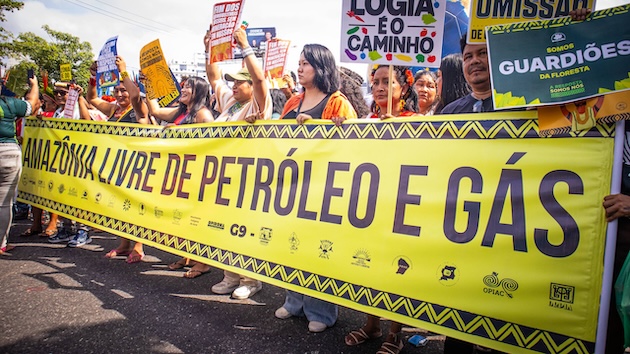
She pointed to what she described as a fundamental contradiction at the heart of global transition discourse: that the same governments and institutions convening conferences on ending fossil fuels are simultaneously expanding oil, gas, and mineral extraction in the territories of the very people they ask to validate the process. Without Free, Prior, and Informed Consent, without territories genuinely free of extractivism, there is, in her words, no just transition.
That phrase, “sin los Pueblos Indígenas no hay transición justa posible” (without Indigenous peoples, there is no just transition possible), became a rallying point across the pre-assembly and carried into the People’s Assembly the following day, where consolidated demands were delivered directly to government delegates.
Indigenous People From Belem to Santa Marta
They echo what Chief Raoni Metuktire carried into Belém: demarcate territories, protect forests, stop the invasions, and recognize the role that indigenous people play as essential.
These are the same priorities Katty Gualinga from the Kichwa community of Kali Kali, belonging to the indigenous Kichwa people of Sarayacu in Ecuador, has long advanced.
the 23 years old youth leader of the organization Samaruta, called in the Kichwa language as “Sarayaku Maltarunakuna Tandanakuy,” which is a youth indigenous organization from this region
The same demands have been raised across climate summits over the years.
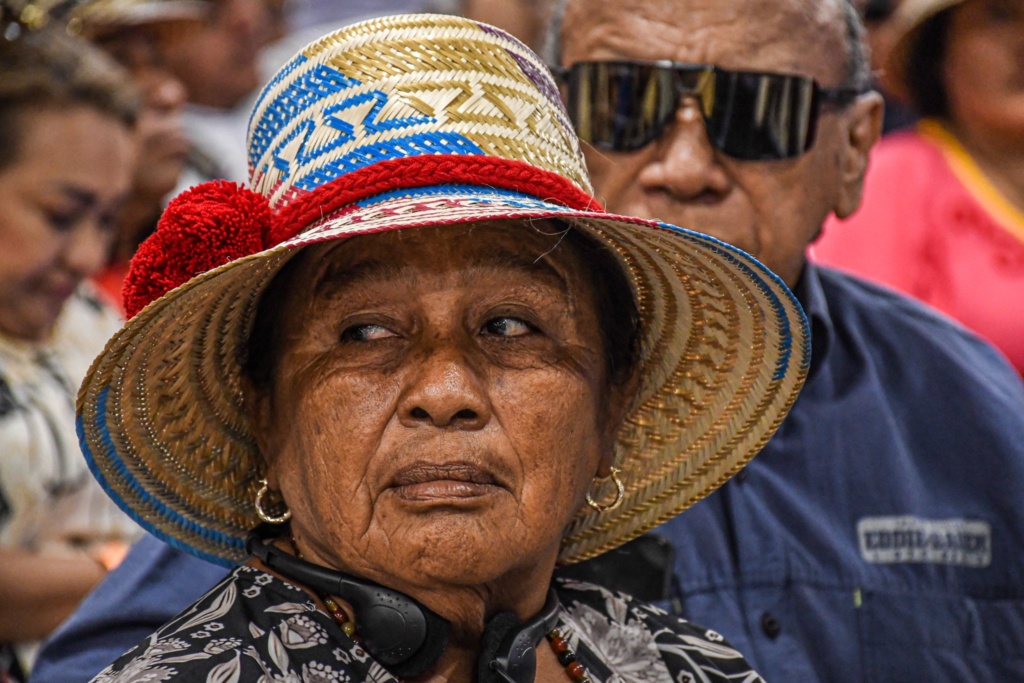
What is shifting, however, is the framing and the urgency as witnessed during the 1st ever Just Transition Santa Marta conference.
Indigenous leaders also pushed back explicitly against what they called “green extractivism”: the replacement of fossil fuel sacrifice zones with new ones, this time in service of the energy transition, through mining lithium, copper, and others.
Their call is for the transition minerals to be gleaned from Indigenous lands with the local communities’ consent. If the world is to move away from oil and coal, they argued, it cannot do so by simply relocating harm.
They also threw their weight behind the push for a Fossil Fuel Non-Proliferation Treaty, while insisting it must be accompanied by strong territorial safeguards, debt justice for affected communities, and the genuine embedding of Indigenous knowledge and governance systems in transition planning, not as add-ons, but as foundations.
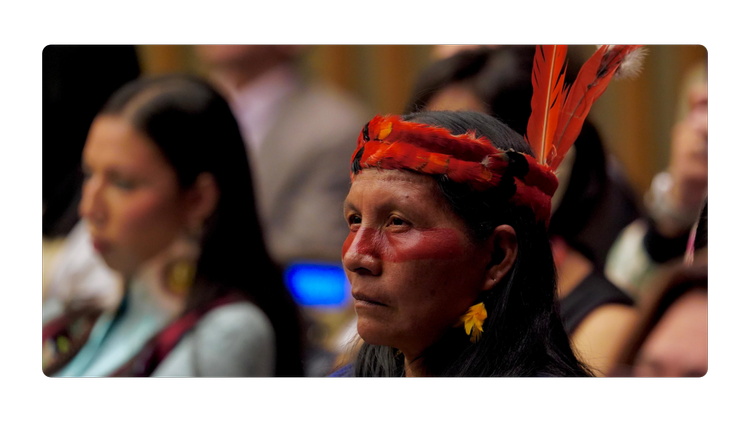
In Santa Marta, that same demand played out in a smaller room, without flotillas or global cameras, but with no less force.
Whether the Santa Marta conference and the road toward COP30’s Belém outcome will produce binding commitments that reflect these demands remains an open question. What the Pre-Assembly made clear is that Indigenous peoples are not waiting for that answer in silence.
They are showing up, organized, articulate, and carrying positions shaped by generations of living with the consequences of decisions made without them.
As Daza put it before the Pre-Assembly closed, the States gathered in Santa Marta have an opportunity to ensure those historic struggles are reflected in what comes next. Whether they take it is a question the world will be watching, and so, too, will the Amazon.
Author Profile

-
Seeker.
Inspire AFRIKA.
Latest entries
 Changemakers19 October 2026How Earth Wise Storage Plans to Expand Smallholder Poultry Farming in Rwanda
 Corporate15 October 2026Water, Sanitation and Digital Learning at the Centre of Garissa School Upgrade
 Agriculture14 October 2026Africa’s Food Systems Future Depends on Listening to Farmers
 Weather Forecasts13 October 2026Rain and Rising Temperatures Forecast Across the Greater Horn of Africa


