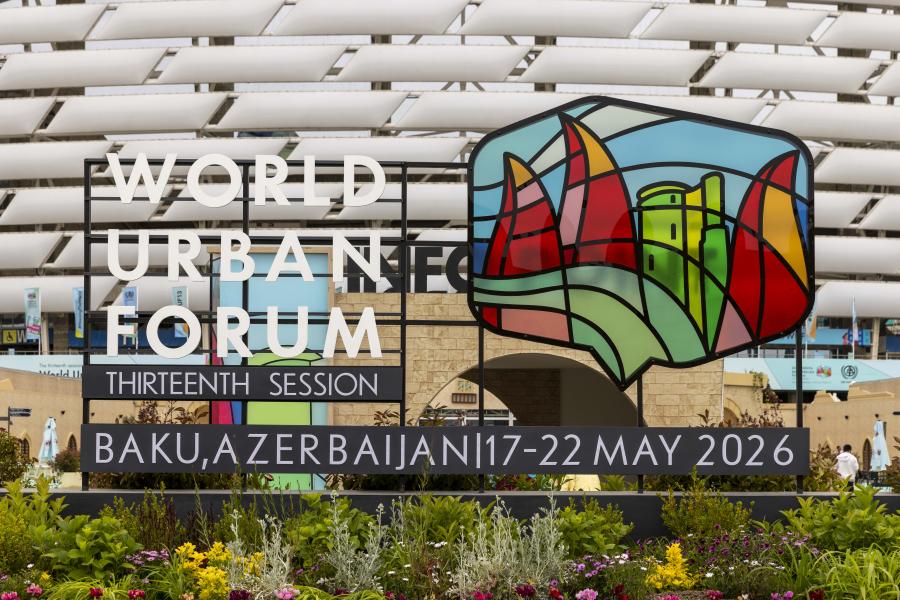
The 13th World Urban Forum (WUF13) has placed the global housing crisis at the centre of international urban policy discussions, as governments, UN agencies, and stakeholders confront accelerating urbanisation pressures amid climate change, inequality, and infrastructure strain.
Held under the theme “Housing the world: Safe and resilient cities and communities,” the forum is framing housing not merely as a development challenge, but as a structural determinant of equity, resilience, and sustainable urban futures.
The urgency of discussions at WUF13 reflects a worsening global housing deficit, as rapid urban growth continues to outpace planning systems, investment, and service delivery across regions.
UN estimates indicate that billions of people globally continue to live in inadequate housing conditions, with informal settlements expanding in many fast-growing cities and homelessness remaining a persistent challenge. These trends highlight widening inequalities in access to land, secure tenure, and basic urban services.
Speakers stressed that the housing crisis extends beyond a shortage of buildings. Instead, it reflects deeper structural issues in urban governance, land use planning, financing systems, and inclusive policy design. Housing, they argued, now sits at the intersection of climate vulnerability, economic productivity, public health, and social stability.
The World Urban Forum, established by UN-Habitat in 2001 and first held in Nairobi in 2002, serves as a global non-legislative platform for dialogue on sustainable urbanisation. Previous sessions were held in Katowice (2022) and Cairo (2024).
Global leaders push for implementation and urban reform in WUF13
Opening the WUF13 forum, Azerbaijan’s President Ilham Aliyev highlighted his country’s ongoing urban transformation agenda, including large-scale reconstruction programmes in areas affected by decades of conflict.
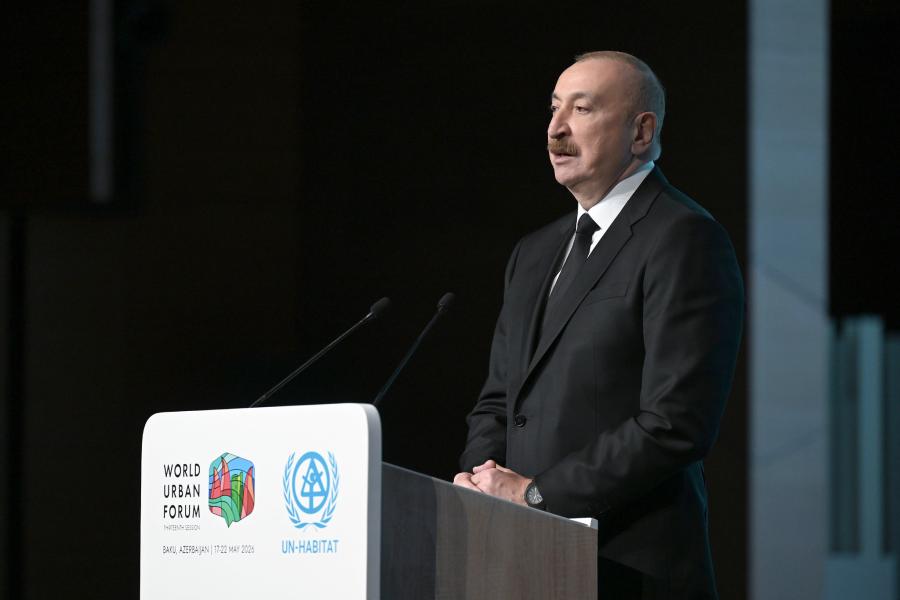
He emphasised the need to balance modernisation with cultural heritage preservation while addressing complex urban development challenges.
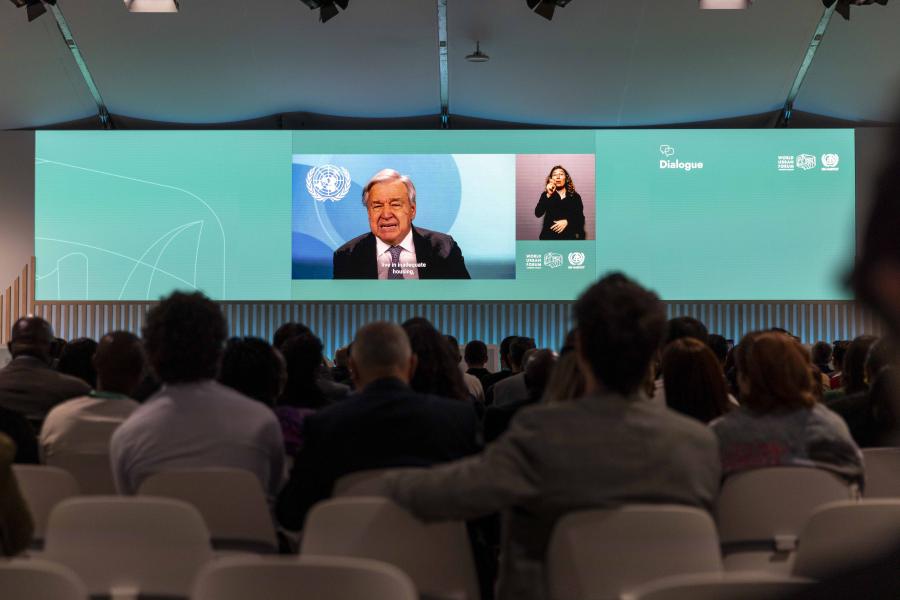
In a video message, United Nations Secretary-General António Guterres urged countries to move from commitments to implementation, citing the Doha Political Declaration of the 2025 World Social Summit, which reaffirmed the right to adequate, safe, accessible, and affordable housing as a global priority.
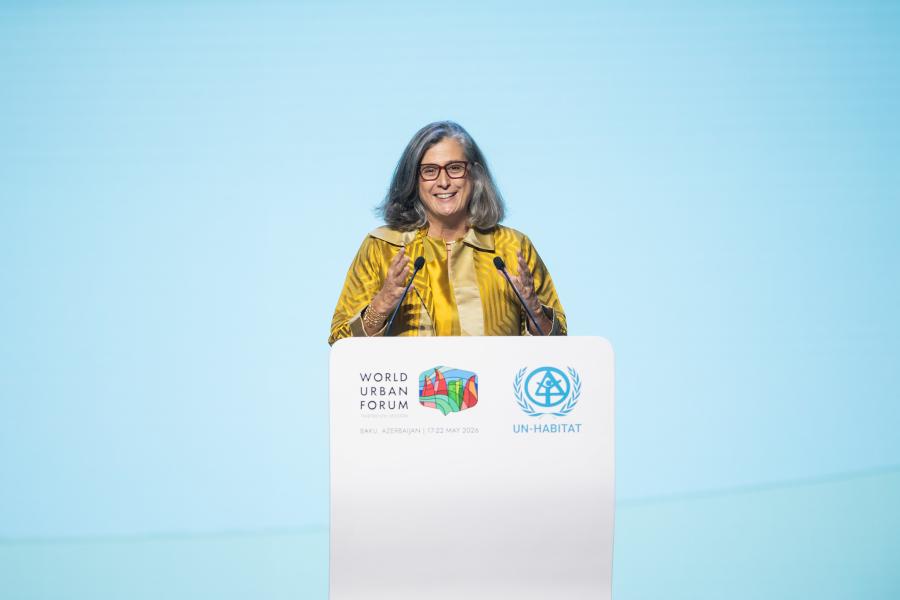
UN-Habitat Executive Director Anacláudia Rossbach described WUF13 as a pivotal moment, framing the housing crisis as “a crisis of equity, resilience, and human rights.” She stressed that housing must be treated not only as a social necessity but also as a key economic driver, calling for financial systems that prioritise “homes, not speculation.”
Rossbach further urged accelerated action, expressing hope that the forum would leave Baku with renewed global commitment to ensuring adequate housing for all without exception.
Toward the New Urban Agenda review and housing transformation
Discussions at WUF13 are expected to inform the mid-term review of the New Urban Agenda (NUA) and the review of Sustainable Development Goal 11 on sustainable cities and communities at the High-Level Political Forum in July 2026.
Stakeholder deliberations are also expected to contribute to the forthcoming “Baku Call to Action,” which will outline priority areas for accelerating implementation across housing, land governance, and urban resilience.
Across sessions, participants explored solutions ranging from upgrading informal settlements and strengthening housing finance systems to addressing the climate–housing nexus and improving land and tenure security.

Annalena Baerbock, President of the United Nations General Assembly, reaffirmed the New Urban Agenda’s continued relevance, noting that its principles remain urgent in 2026 as cities grapple with deepening inequality and climate vulnerability.
She pointed to the upcoming UNGA review in July 2026 as a critical opportunity to assess progress and close persistent implementation gaps.
Author Profile

-
Seeker.
Inspire AFRIKA.
Latest entries
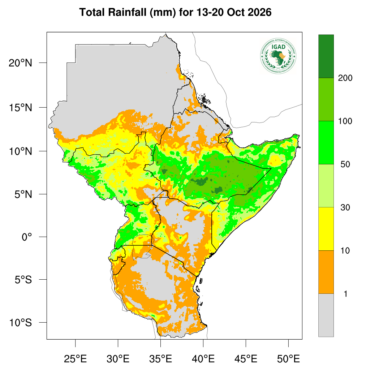 Weather Forecasts13 October 2026Rain and Rising Temperatures Forecast Across the Greater Horn of Africa
 Climate9 October 2026Beyond Negotiations: Africa Expects Concrete Outcomes from Antalya
 Animals7 October 2026In Kajiado’s Drylands, Collective Selling of Small Herds Is Changing the Livestock Trade
 Oceans6 October 202640 Years of Ocean Cooperation: The Western Indian Ocean’s Next Test Is Implementation