“If there is no stop to the degradation of the ocean, our lives, the lives of our children, and the future of this planet will be compromised. We must implement robust regulation now, before it is too late,” was the plea of Dr. Andrew Forrest of the Minderoo Foundation during the sixth panel at the 2025 UN Ocean Conference in Nice, France.
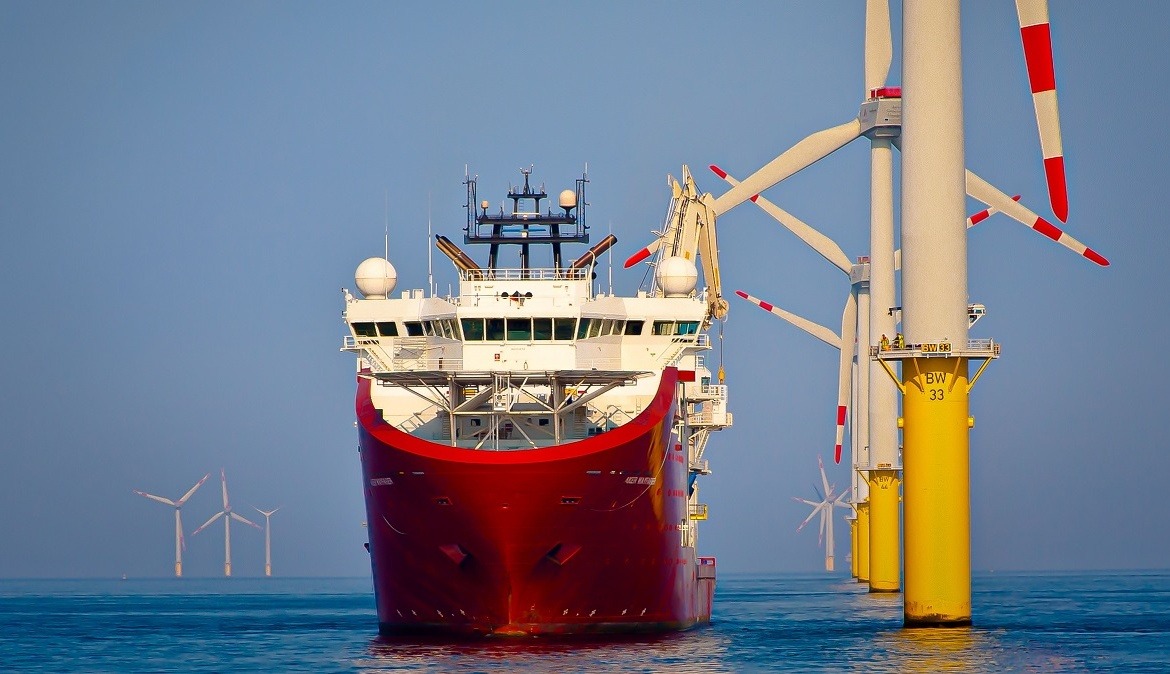
According to Arsenio Dominguez, Secretary-General of the International Maritime Organization (IMO), shipping transports account for more than 80 per cent of global trade and represent the largest sector operating in ocean spaces. Consequently, the industry plays a central role in protecting the marine environment and managing ocean resources.
However, decarbonizing remains one of the shipping industry’s greatest challenges. To combat emissions, the Secretary-General highlighted the upcoming IMO Net-Zero Framework, set for adoption in October. This framework outlines a path for reducing greenhouse gas emissions, including fuel intensity limits and the establishment of the first global greenhouse gas pricing system for an entire sector.
“Ultimately, building a sustainable ocean-based economy is not optional; it’s essential for global equity, environmental protection, and long-term prosperity,” said Secretary Dominguez.
To achieve sustainability in the sector, innovation is vital. “Clean fuels, green technologies, and energy-efficient vessels are not just concepts; they are essential tools for a greener maritime sector,” he emphasized.
He further noted that ensuring a sustainable transition that leaves no country behind will require global cooperation and significant investment. Decarbonization demands not only new vessels but also costly upgrades to ports, fleets, and fuel infrastructure.
As such, the United Nations Conference on Trade and Development (UNCTAD) has recommended the exploration of new fuel alternatives such as green hydrogen, the development of adaptive infrastructure, port support—especially for small island developing states (SIDS)—and investment in workforce training and development.
UNCTAD has also proposed a $2.8 trillion ‘Blue Deal,’ encompassing decarbonization of shipping and fisheries, sustainable ocean foods, and coastal and offshore wind energy.
To meet Sustainable Development Goal 14 by 2030, experts estimate an annual investment of $175 billion is required, with a significant portion directed toward the maritime sector.
This transformation is expected to be supported by innovative blue finance tools such as blue bonds. Li Junhua, the United Nations Under-Secretary-General for Economic and Social Affairs (UN DESA), stated, “Scaling up technology and financing is crucial to drive a just and inclusive energy transition.”
He also highlighted Debt-for-Nature Swaps as part of “bold” blue finance mechanisms, allowing countries to redirect debt repayments into marine conservation and infrastructure modernization.
UNCTAD further proposed support for technology transfer and digitization of shipping systems, particularly to assist small island and coastal nations in accessing innovations like green fuels and AI-powered logistics tools.
“For the sake of your souls, for the sake of your children, for the sake of every organism on this planet, ratify that convention,” Forrest urged, referencing the upcoming IMO convention to reduce carbon emissions from shipping.
Read Also: Will the World Back Africa’s Fight for Fish