Embodying their rooted networks, women are redefining what resilience looks like where institutions are weak and risks magnified by inequality


Embodying their rooted networks, women are redefining what resilience looks like where institutions are weak and risks magnified by inequality
Ten years ago, the Paris Agreement set a bold goal: keep global warming below 1.5°C. But in 2023, Earth breached that threshold for the first time. Emissions are still climbing, and extreme weather is worsening. With the window for…

The British government has agreed to pay almost $4 million to thousands of victims of a blaze started by its soldiers while in training in Kenya. In 2021, an inferno burned over 10,000 acres in the privately owned Lolldaiga conservancy.…

Dr. Deborah Barasa urged EAC and IGAD states to share knowledge, timely information, and united approach for effective early warning systems.

Meteorologists warn that rainfall in some regions will be significantly above average, particularly in western Kenya, Uganda, and Eritrea
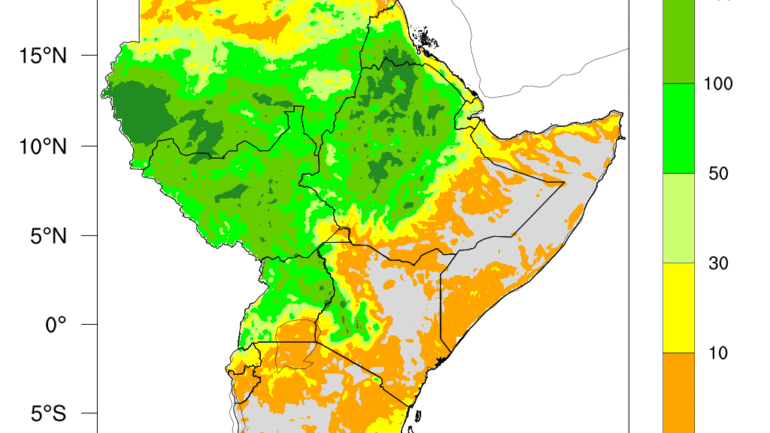
The heaviest downpours, exceeding 200mm, are expected in central and northern Ethiopia, parts of central South Sudan, western Kenya

Time is running out on the second part of the fifth session of the Intergovernmental Negotiating Committee to develop an international legally binding instrument on plastic pollution, including in the marine environment (INC-5.2), with less than three days left, as one…

From Brazil, COP30 CEO Ana Toni warned that adaptation must be placed on equal footing with mitigation at the climate talks in Belém

As the second part of the fifth session of the Intergovernmental Negotiating Committee to develop an international legally binding instrument on plastic pollution, including in the marine environment (INC-5.2), enters a second week in Geneva, negotiations are wrestling with a sprawling…
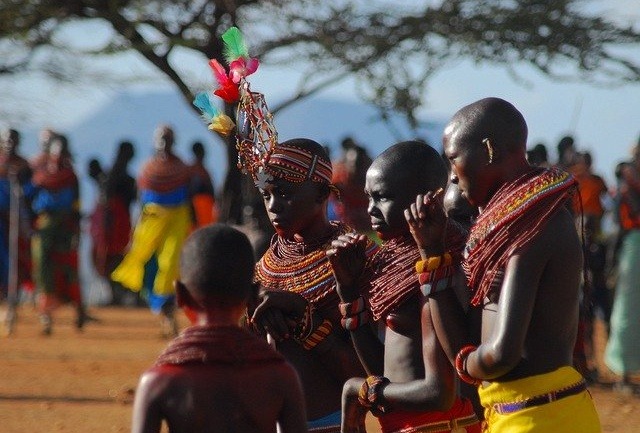
AU reaffirmed its support for the United Nations Declaration on the Rights of Indigenous People (2007), as catering for African instruments.