Weather and climate information services are increasingly becoming critical tools for helping climate-shock-prone or vulnerable regions prepare for and adapt to climate-related shocks, like the Nile basin area. By providing early warnings and actionable forecasts, these systems enable governments, communities, and key sectors to strengthen resilience and reduce potential losses.
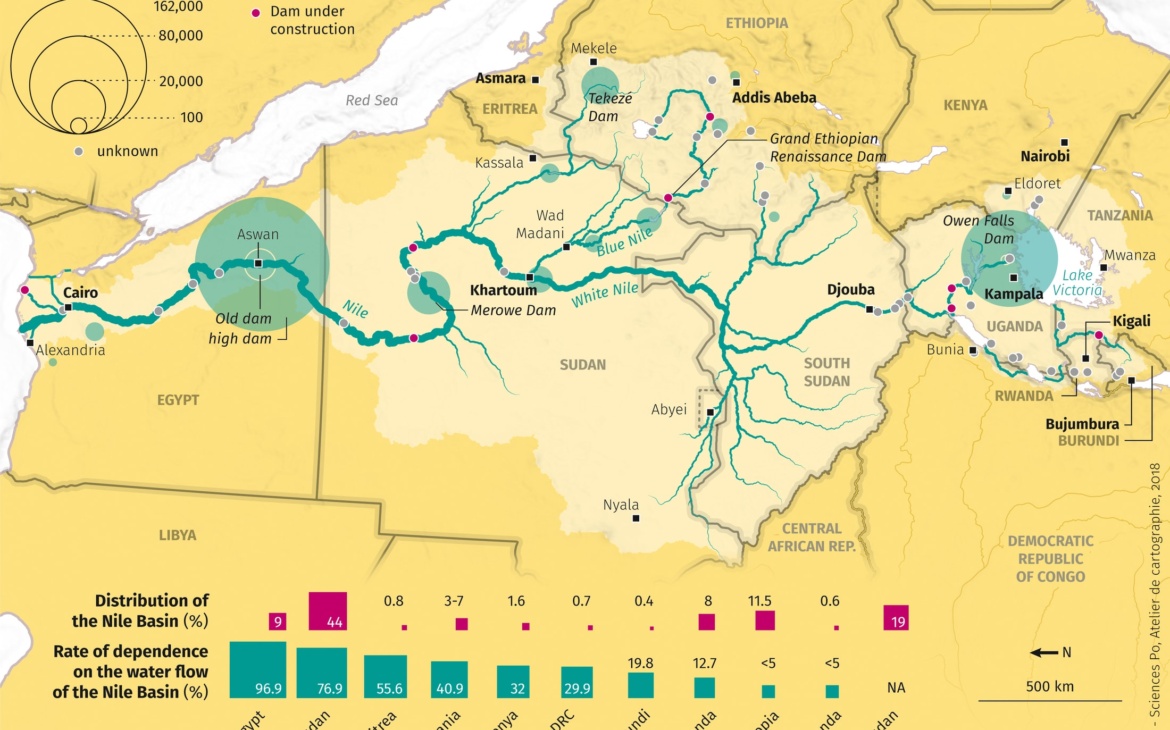
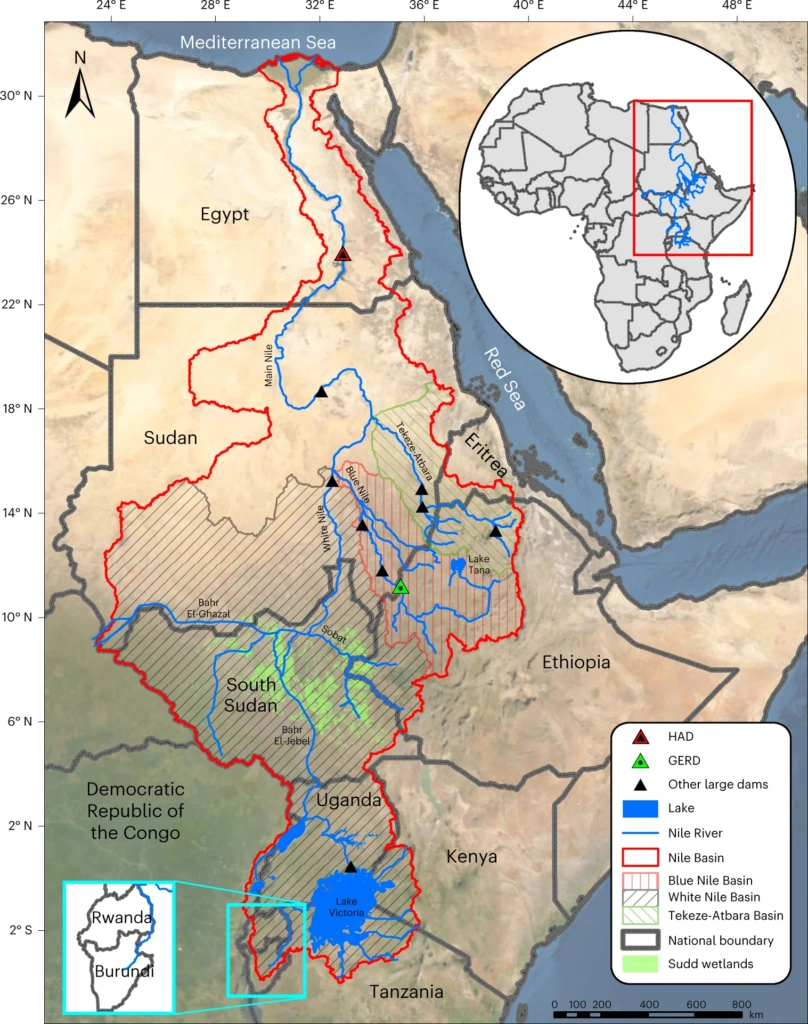
The June–September (JJAS) 2026 Nile Basin Seasonal Hydrological Outlook and Flood Advisory, prepared by the Nile Basin Initiative (NBI) in collaboration with national hydrological services and supported by the IGAD Climate Prediction and Applications Centre (ICPAC), provides a basin-wide assessment of expected hydrological conditions across the eleven Nile Basin riparian countries.
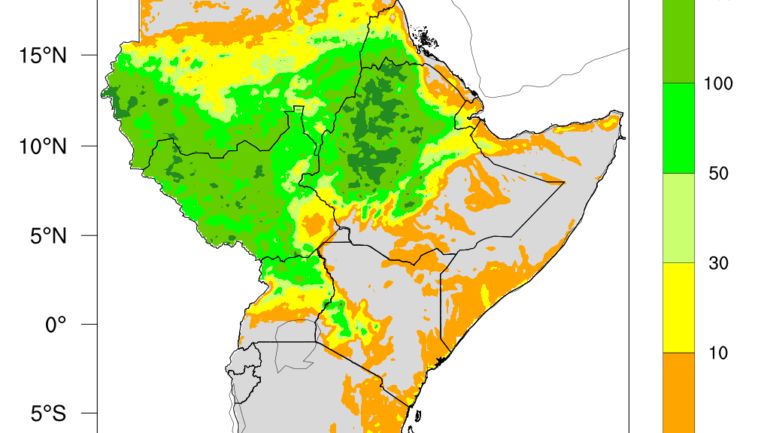
According to the outlook, much of the Nile Basin catchment is likely to experience below-normal rainfall during the JJAS season, with a 40–90 percent probability of below-average precipitation. The forecast particularly highlights the Ethiopian Highlands, Uganda, western Kenya, Rwanda, Burundi, and South Sudan as areas likely to record reduced rainfall.
The outlook further indicates that the expected conditions resemble patterns observed during the 1997 and 2003 El Niño years, characterized by basin-wide above-normal temperatures. Northern Sudan and southern Egypt are projected to face an 85 percent probability of significantly warmer-than-average conditions, which could intensify evapotranspiration rates and further suppress effective runoff.
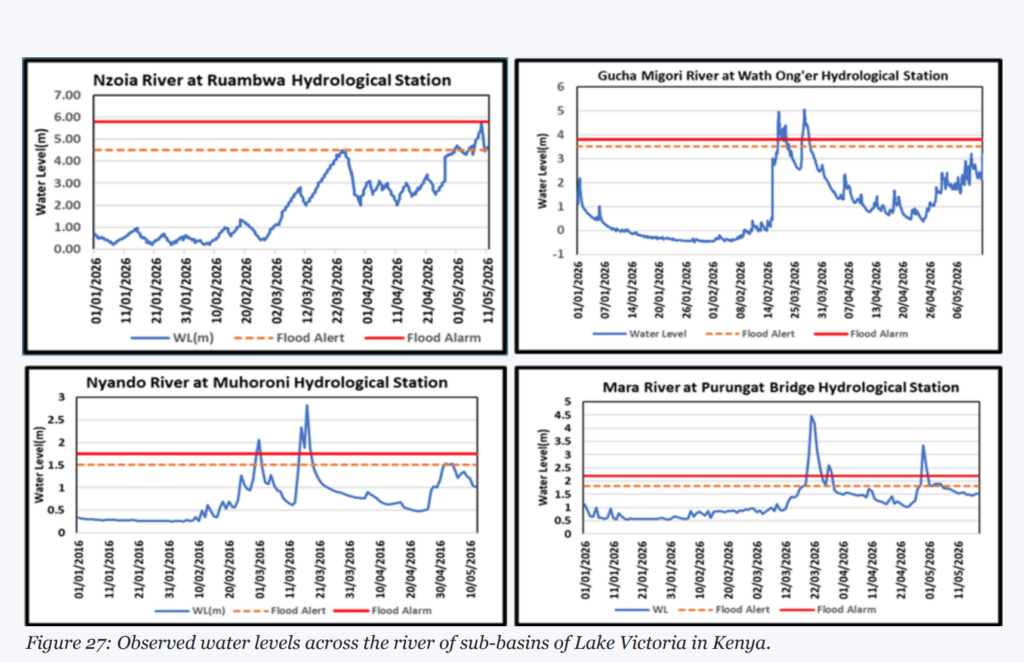
This forecast comes despite the March–April–May (MAM) 2026 season recording above-normal rainfall across the Equatorial Lakes region. Elevated lake levels were observed in Lakes Victoria, Kyoga, and Albert, while overflow was reported within the Kagera River system.
For Kenya, the outlook projects below-normal rainfall across the Lake Victoria Basin, which contributes approximately 8.5 percent of the Nile Basin drainage area. The forecast assigns a 55 percent probability of below-normal rainfall, a 30 percent probability of near-normal rainfall, and a 15 percent probability of above-normal rainfall, accompanied by persistently high temperatures.
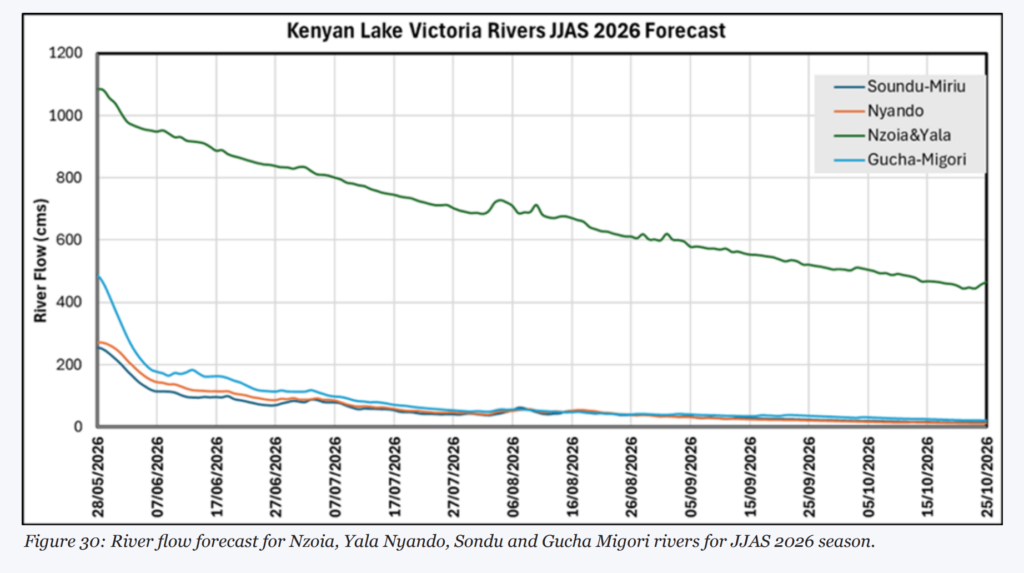
Lake Victoria water levels are expected to gradually decline from their mid-May peak of approximately 1,136.1 metres above sea level to around 1,135.5 metres by November 2026. This decline is linked to anticipated reductions in flows from key tributaries, including the Nzoia, Yala, Nyando, Sondu, and Gucha-Migori rivers.
Among the most significant projected reductions are the Gucha-Migori River, whose discharge is expected to decline from 451.95 cubic metres per second in June to 31.69 cubic metres per second by the end of September; the Nyando River, from 510.4 to 19.3 cubic metres per second; and the Sondu River, from 350.4 to 21.3 cubic metres per second over the same period.
The declining river flows are expected to affect hydropower generation at facilities such as Sondu Miriu, Gogo, and other small hydropower plants. However, some shoreline communities around Lake Victoria may continue experiencing inundation due to the elevated lake levels sustained by the above-normal MAM rainfall.
The March-April-May (MAM) 2026 season was in the headlines for causing floods that damaged roads, led to casualties, and caused overflows of rivers, with most bursting banks followed by landslides and rising lake levels dispersing folks across the region.
The outlook notes that reduced flooding could contribute to a decline in water-borne disease incidences in some areas. At the same time, drier conditions may support harvesting activities for crops such as tea, sugarcane, coffee, maize, and beans.
Nevertheless, the forecast raises concerns over reduced crop productivity in rain-fed smallholder farming systems. Pasture quality and livestock water availability are also expected to deteriorate in drier pastoral regions of Kenya, Ethiopia, and South Sudan.
Lower water levels in Lakes Victoria, Albert, and Edward could further increase water temperatures, placing additional stress on aquatic ecosystems, reducing fish habitats, and heightening the risk of algal blooms. Reduced water volumes may also concentrate pollutants, posing potential water quality challenges.
Despite the challenges highlighted in the outlook, the Nile Basin Initiative emphasizes that the forecast should serve as a tool for preparedness rather than alarm.
According to Dr. Eng. Nestor Niyonzima, Executive Director of the Nile Basin Initiative, the report is not a counsel of despair but rather a call for timely and coordinated action.
“The early warning information contained herein, the sector-specific advisories, and the country-level recommendations have been crafted to enable governments, water resource managers, humanitarian agencies, and development partners to act ahead of the curve, to conserve water, optimize reservoir operations, protect vulnerable communities, and mobilize drought contingency plans before conditions deteriorate,” said Niyonzima.
He noted that the report reflects the collective expertise of the Nile Basin riparian Member States and demonstrates the value of regional cooperation in addressing increasingly complex climate and water challenges.
“The report represents the collective expertise of our Nile Basin riparian Member States and stands as a testament to the enduring power of regional cooperation, scientific excellence and transboundary collaboration in the face of mounting climate challenges and competing water demands and interests across the basin,” he added.
In light of these projections, the Nile Basin Initiative recommends scaling up adaptation and resilience measures, including watershed rehabilitation programmes, reforestation initiatives and soil and water conservation efforts across degraded catchments to improve long-term water retention.
The outlook also calls for increased investment in water storage infrastructure, including small and micro-dams and water harvesting systems, to buffer communities against recurring seasonal water deficits.
Other recommended actions include expanding the conjunctive use of surface and groundwater resources, particularly in areas prone to rainfall shortages, and promoting climate-smart agriculture practices that enhance water harvesting and soil moisture conservation.
The advisory further underscores the importance of developing multi-year water storage systems capable of retaining surplus water during wetter periods for use during drought years, thereby reducing the impacts of hydrological variability.
Additionally, governments are urged to invest in flood-resilient infrastructure, including elevated roads, flood-proof grain storage facilities and protected water intake structures, particularly in areas that experience recurrent flooding.